Authorized After the Fact
Two women in this issue spend their essays asking who gets to authorize an AI agent to act. Several more spend theirs describing the exact same fight, minus the AI, over who gets to decide that they belong in the room. Read together, it's the same question asked twice.
Two women in this issue spend their essays asking who gets to authorize an AI agent to act. Several more spend theirs describing the exact same fight, minus the AI, over who gets to decide that they belong in the room. Read together, it's the same question asked twice.
Two women in this batch of stories, working in fields that have nothing to do with each other, keep circling the same problem: authorization. One spent her first year seriously studying AI writing governance frameworks around a single question: who authorizes an AI agent to act? A few stories later, another is asking almost exactly the same thing about the autonomous systems her company tests: not whether they're capable, but whether anyone has said yes yet, and who gets to say it. Neither is writing about her own career. Read back to back, though, it's hard not to notice they're describing the same problem twice: once for the machines, once, quietly, for themselves.
Elsewhere the question loses its technical vocabulary and gets blunter. One woman walks into cybersecurity with a degree in French and Economics and is told her certifications don't count, until, eventually, they do. "Who was born knowing?" she asks, a fair question for a field that kept raising the bar for newcomers right after it had cleared for the people setting it. Another, still debugging her own Terraform files, decides she doesn't need to reach some finish line before she's allowed to mentor someone earlier on the same road. A third builds an app for women whose doctors decided their pain wasn't documented enough to investigate.
Not everything here is about that. Plenty of this issue is just people doing exacting, specific work: patching cloud security debt, mapping vendor risk, arguing carefully about what the AI bias research actually shows. But often enough, working from opposite ends of the industry, the stories arrive at the same shape of answer: capability shows up first. The sign-off, a certification, an endorsement, a green light from someone with the standing to give it, arrives later, if it arrives at all.
Nobody in these pages waited for it before starting. Some of them are still waiting, and building regardless.
Who gets to decide when something or someone is ready to act?
A gatekeeper, a doctor, a manager, an institution, or an AI system's own operator each has to decide, at some point, whether to grant permission to act, and this issue's stories split in genuinely different directions on who ends up making that call, and on what happens in the meantime.
An editorial observation from this issue’s stories, not a research finding
- AI
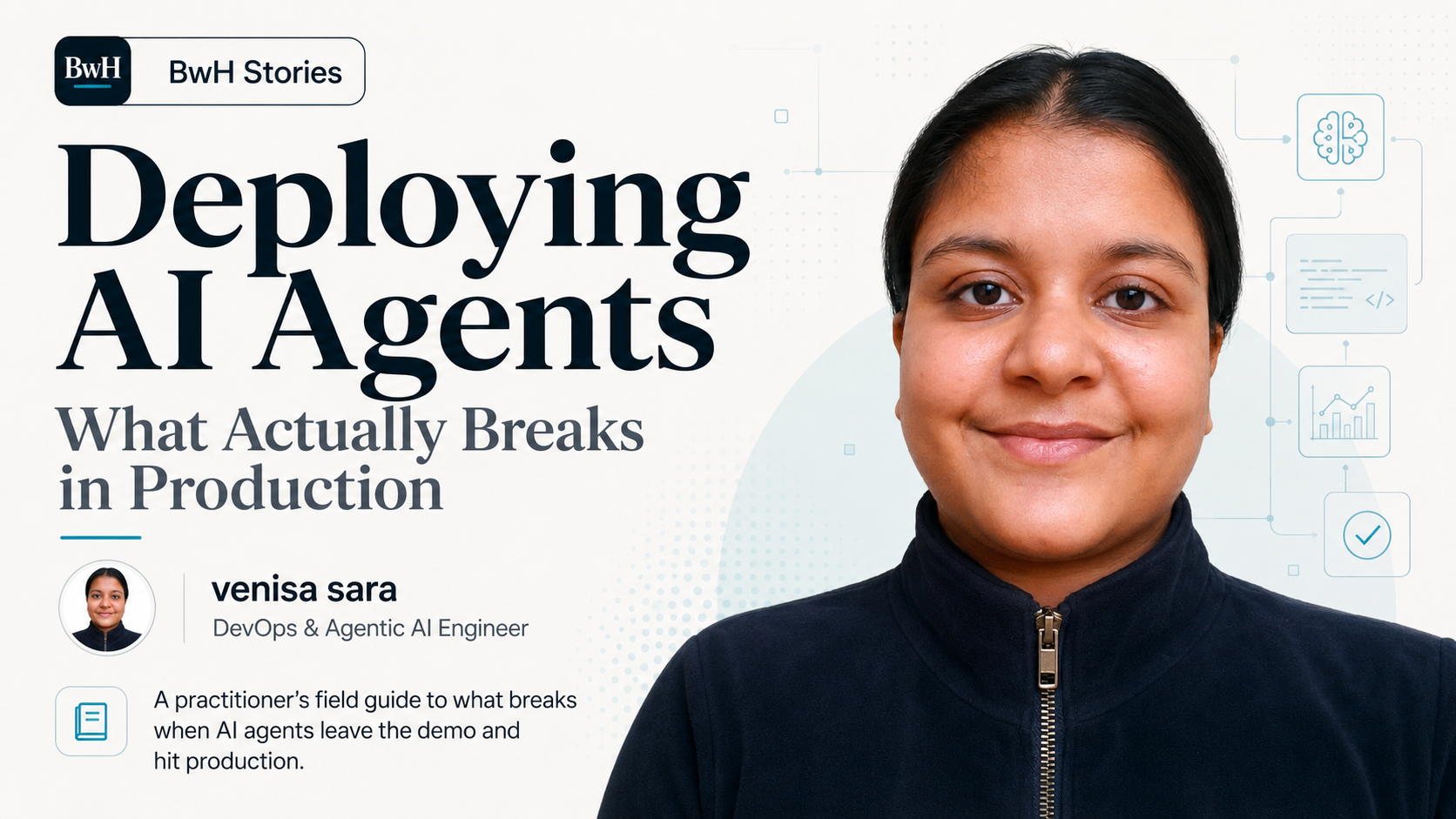
Deploying AI Agents: What Actually Breaks in Production
By venisa sara - Career Journey
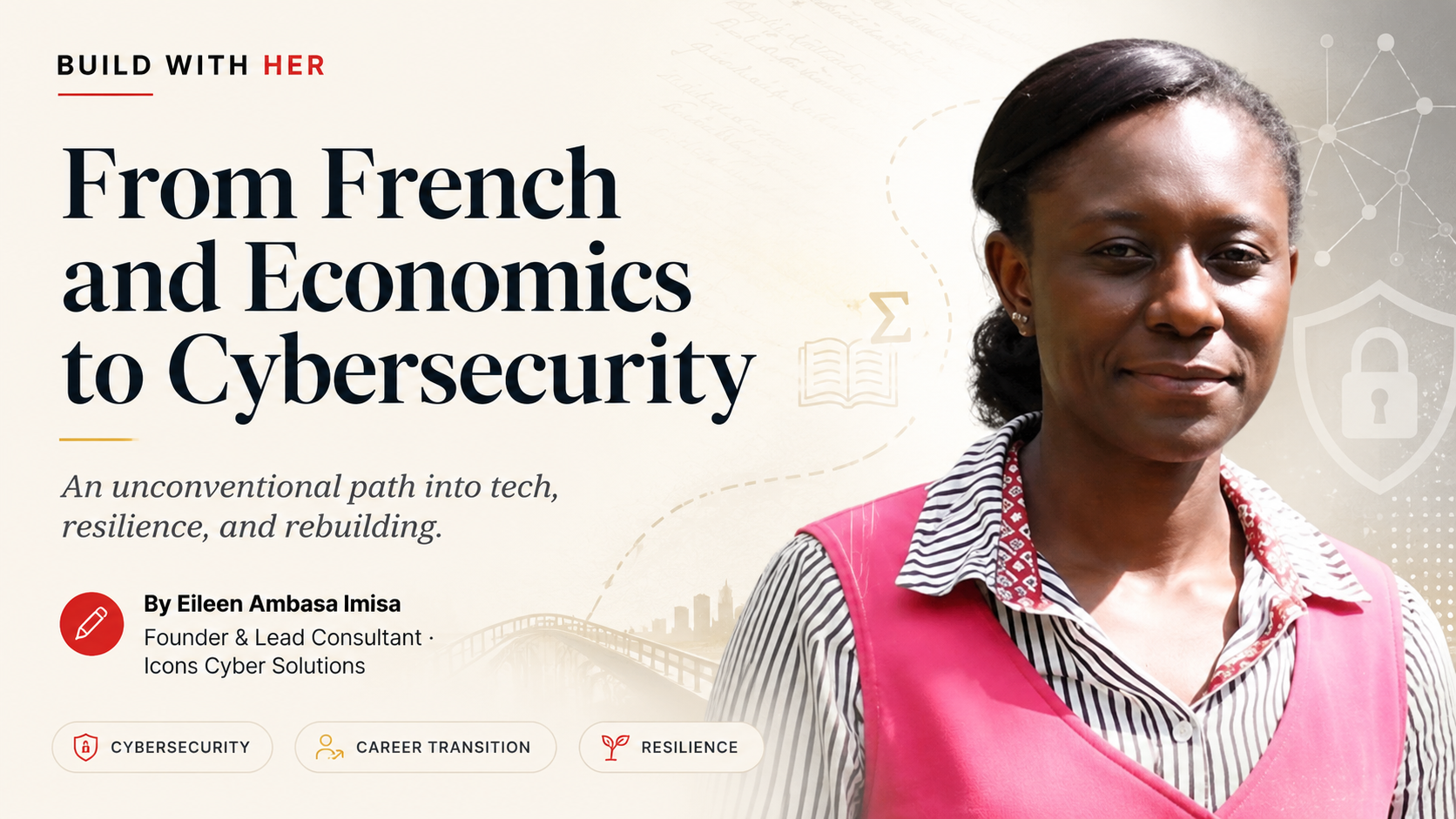
From French and Economics to Cybersecurity
By Eileen Ambasa Imisa - Founders & Entrepreneurship
The Question That Had No Next Step
By Pooja Prajapat - Founders & Entrepreneurship
Unlearning the System I Spent 18 Years Strengthening
By Imelda E Akurut - Community & Impact
I Built for the Woman Who Got Dismissed by Her Doctor and Failed by Femtech
By Muji Bekomson
- AI
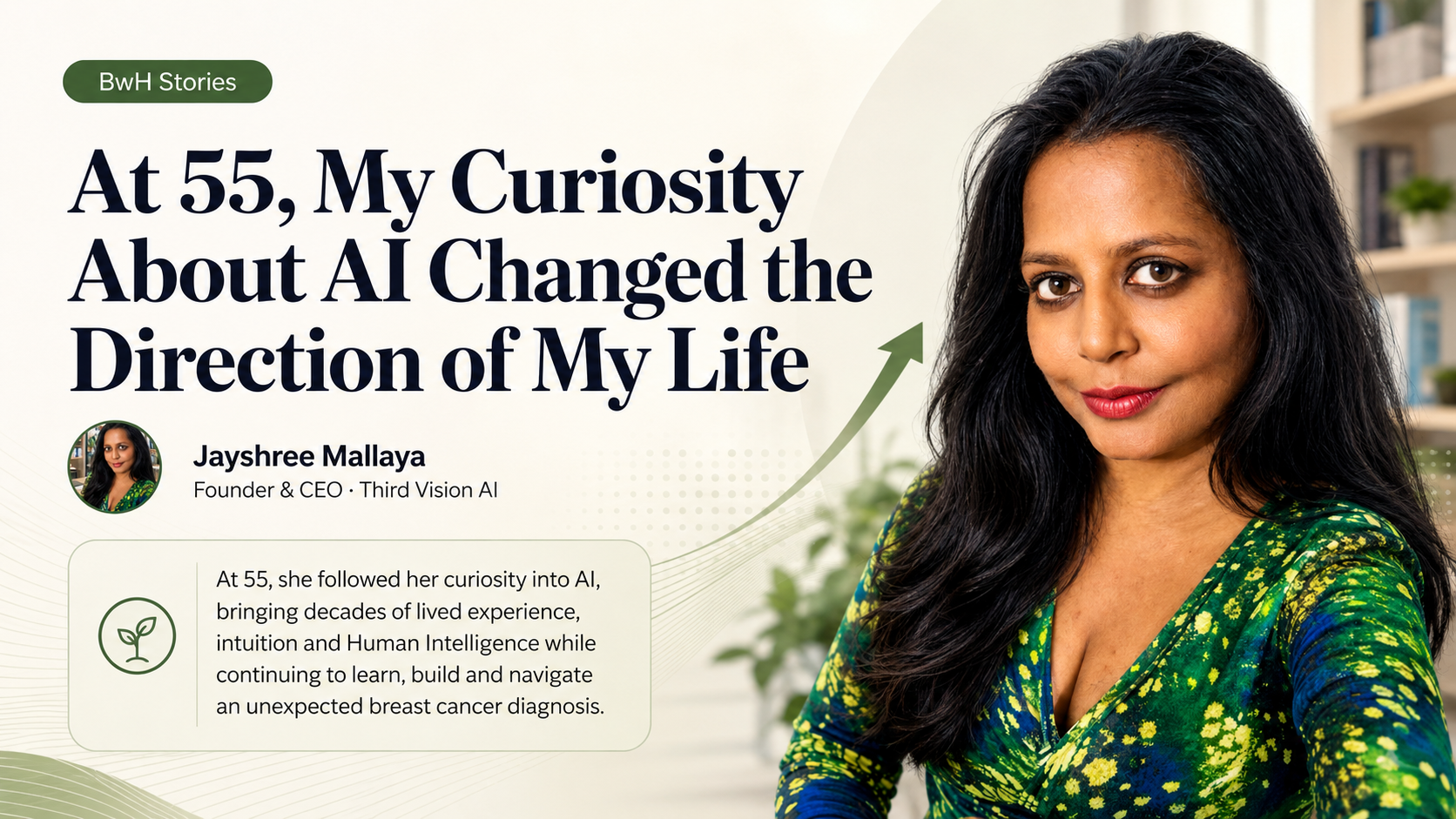
At 55, My Curiosity About AI Changed the Direction of My Life
At 55, I followed my curiosity into artificial intelligence and discovered an entirely new direction for my life. This is not a story told from the finish line, but from the middle: about bringing decades of lived experience, intuition and Human Intelligence into AI, while continuing to learn, build and navigate an unexpected breast cancer diagnosis.
By Jayshree Mallaya·August 17, 2026·6 min·Contributor - AI
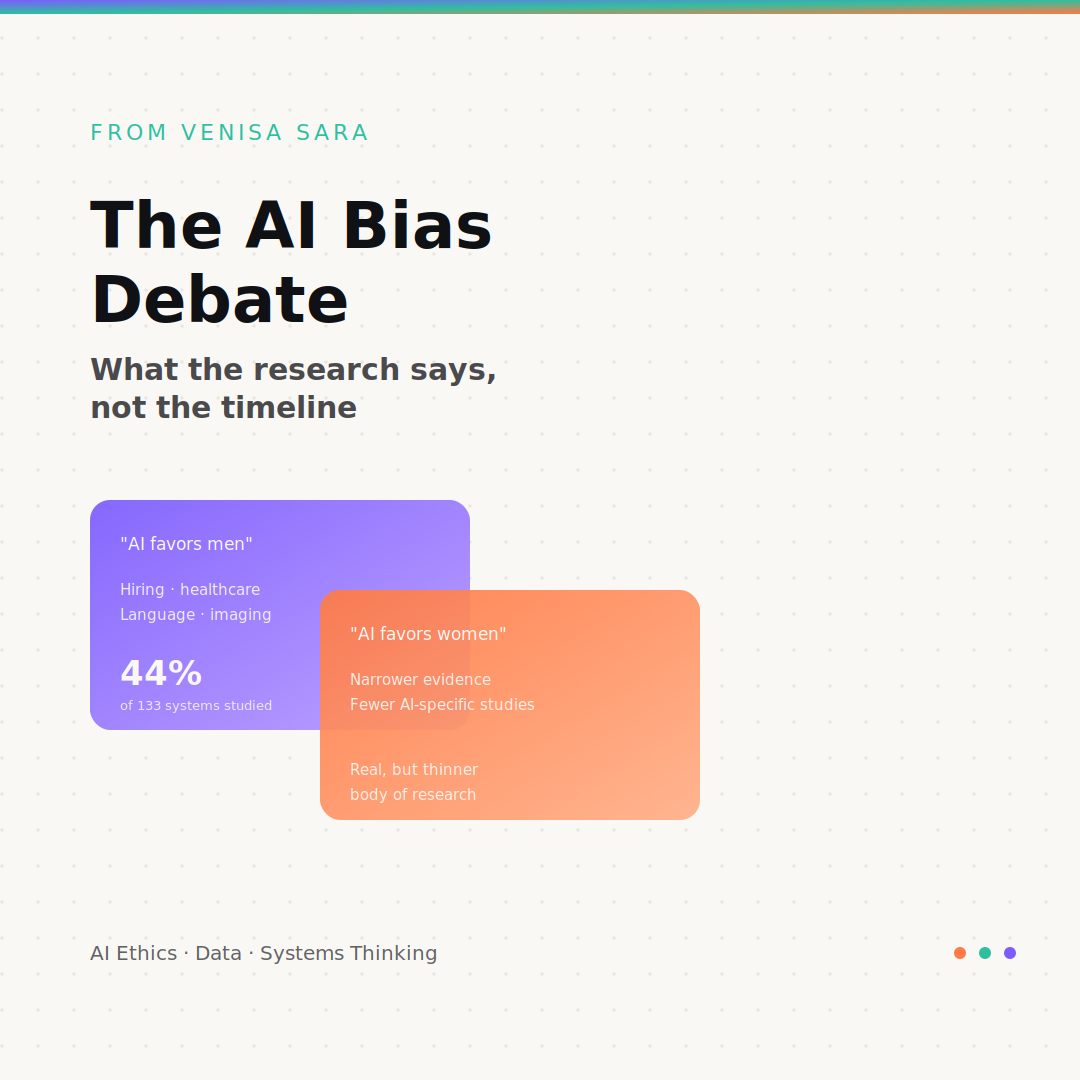
The AI Bias Debate: What the Research Actually Says
Both sides of the AI bias debate think the other is imagining things. This piece actually goes and reads the research; the evidence against women is broad and well-replicated, the evidence against men is real but much thinner, and neither side is being honest about that imbalance.
By venisa sara·August 18, 2026·7 min·Contributor - AI
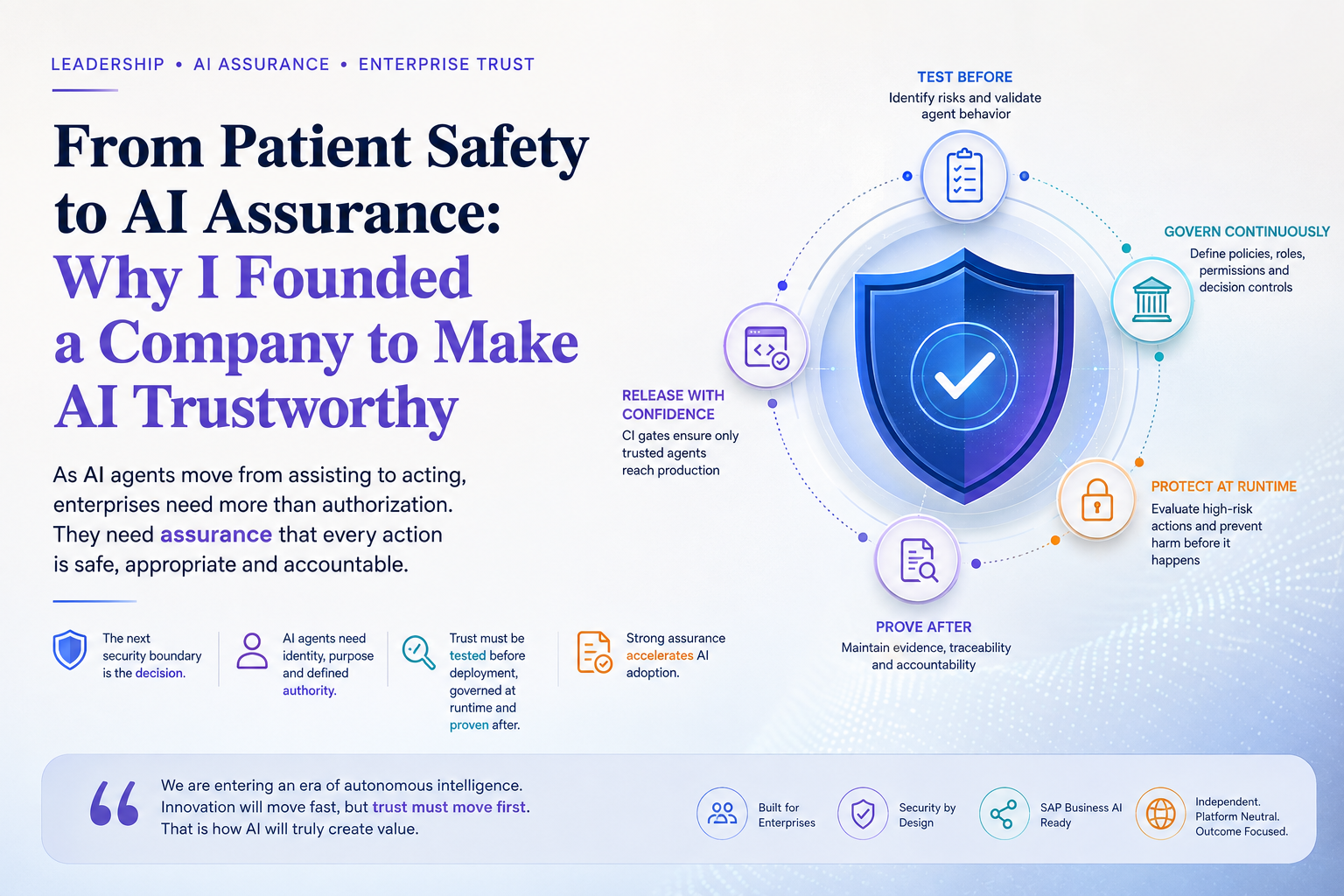
From Patient Safety to AI Assurance: Why I Founded Orbyntis
Krishnaveni Gorijavolu shares how her background in healthcare, patient safety, and regulatory affairs shaped her approach to trustworthy AI and inspired her to found Orbyntis. The article explores why autonomous AI needs continuous assurance—testing, governance, runtime protection, and evidence—so enterprises can trust AI before it acts.
By Krishnaveni Gorijavolu·August 18, 2026·8 min·Contributor - AI
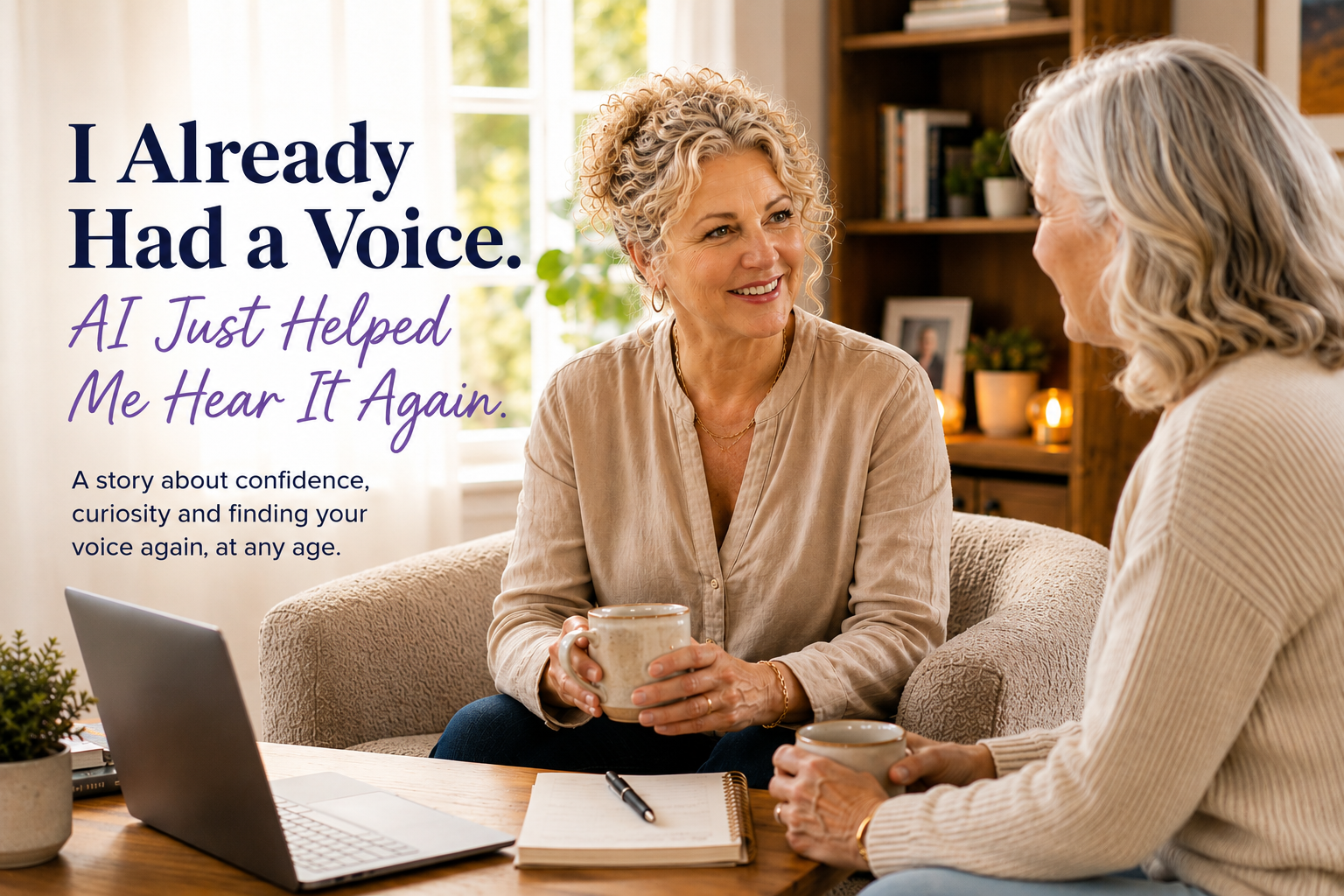
I Already Had a Voice. AI Just Helped Me Hear It Again.
After years of slowly losing trust in her own voice, Barbara found AI became more than a practical tool. It gave her space to think, create and rebuild confidence through small proof points. Her story explores how women 55+ can bring everything they already know into AI, use it in their own way, and feel that they belong in what comes next.
By Barbara Hamilton·August 18, 2026·8 min·Contributor - AI
Deploying AI Agents: What Actually Breaks in Production
A practitioner's honest field guide to what actually breaks when AI agents leave the demo and hit production, and the durability, routing, GitOps, and observability practices that keep them from making the same mistake twice.
By venisa sara·August 18, 2026·6 min·Contributor
- Cybersecurity
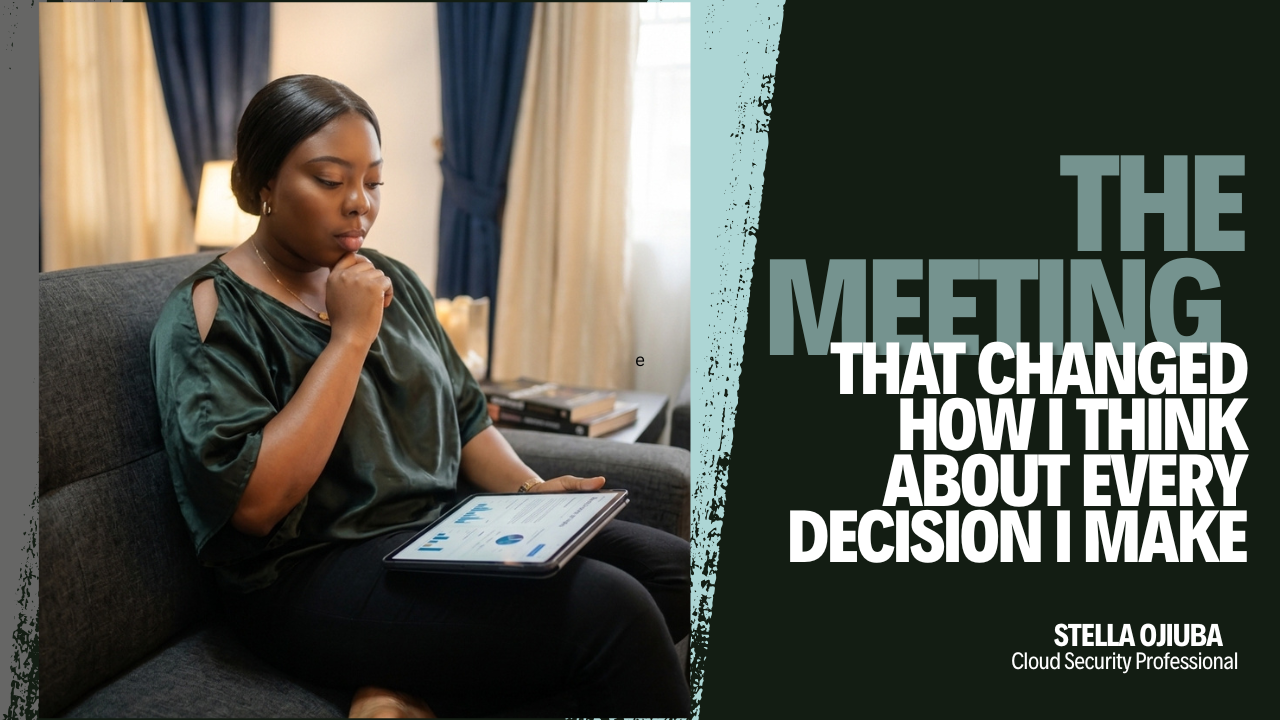
The Meeting That Changed How I Think About Every Decision I Make
This article is about that question that defines your integrity, what it reveals, and why its the most powerful leadership tool you will ever use.
By Stella Ojiuba·August 17, 2026·8 min·Contributor - Cybersecurity
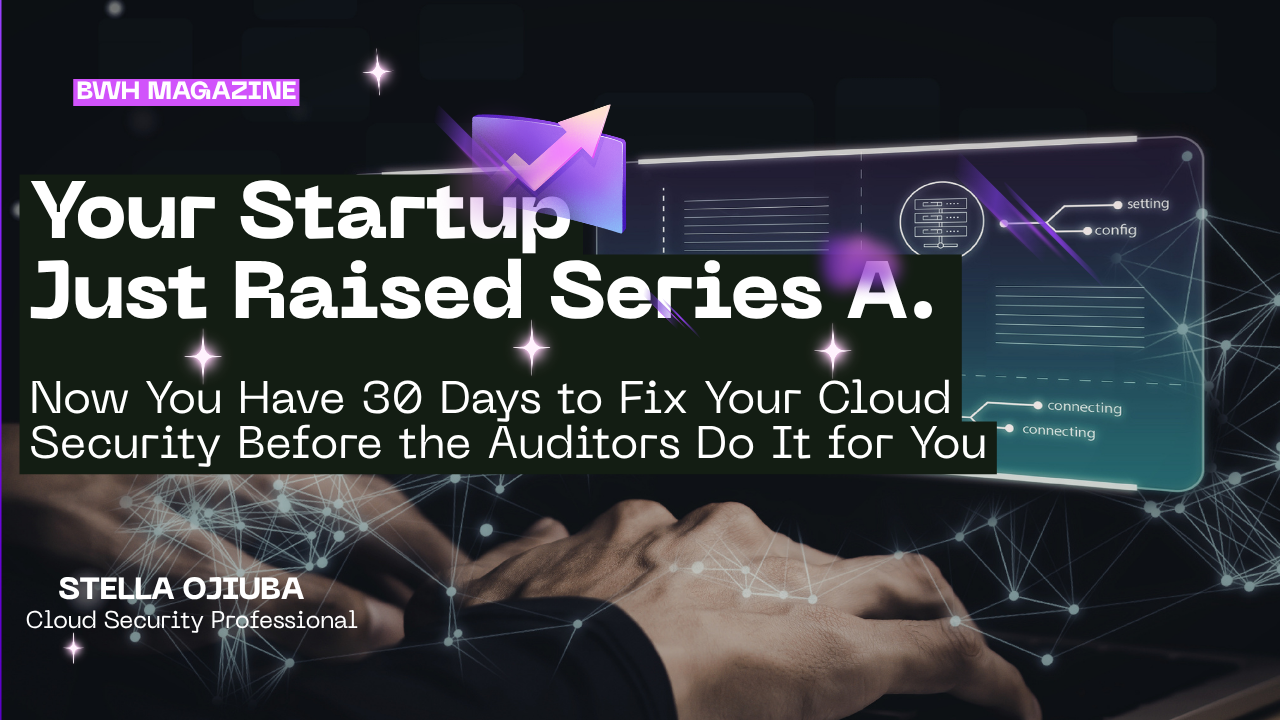
Your Startup Just Raised Series A. Now You Have 30 Days to Fix Your Cloud Security Before the Auditors Do It for You
This article gives every founder and CTO an honest thirty day framework to find, prioritise, and fix the security gaps that could stall every enterprise deal, block every compliance certification, and surface in every board conversation that follows.
By Stella Ojiuba·August 21, 2026·9 min·Contributor - Cybersecurity
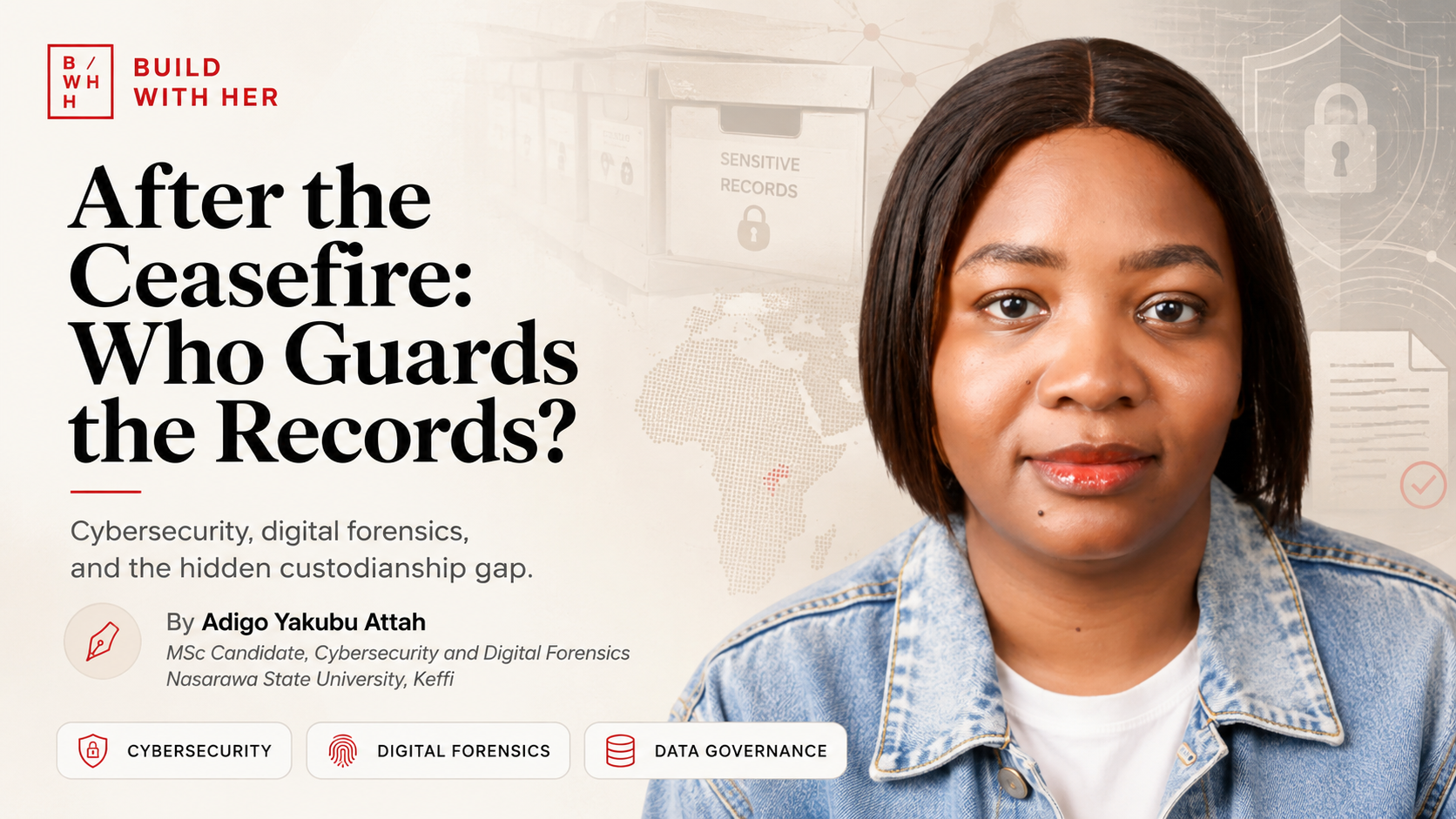
After the Ceasefire: Who Guards the Records?
A records room led Adigo Yakubu Attah to ask a question she found institutions rarely address head-on: what happens to sensitive data once the urgency of conflict has passed? 'After the Ceasefire' traces the hidden custodianship gap in African peacebuilding, and the women left most exposed by it.
By Adigo Yakubu Attah·August 22, 2026·4 min·Contributor - Cybersecurity
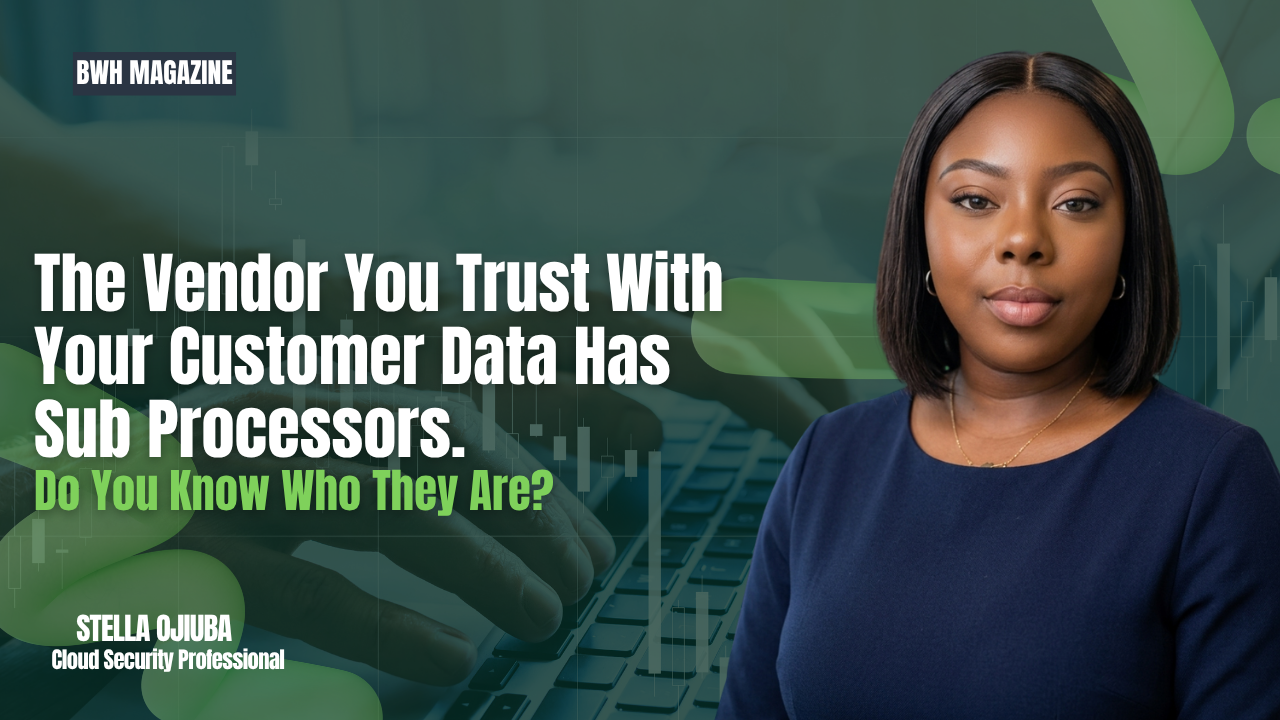
The Vendor You Trust With Your Customer Data Has Sub Processors. Do You Know Who They Are?
This article follows the data past the front door, exposes the specific questions that most procurement processes never ask, and gives every founder, CTO, and Head of Security the framework to manage the vendor risk they can see and the one they cannot.
By Stella Ojiuba·August 25, 2026·8 min·Contributor
- Career Journey
How I 'm planning to build my main career
I'm struggling to build my career while growing my freelancing business, but I refuse to give up because I believe in what the future holds.
Through constant research and connecting with successful freelancers, I've learned that clarity, consistency, focus, and authority are key to building a successful career.
Now, I'm committed to building my journey with these four ingredients and staying consistent along the way.By Balikis Shuarau·August 17, 2026·1 min·Contributor - Career Journey
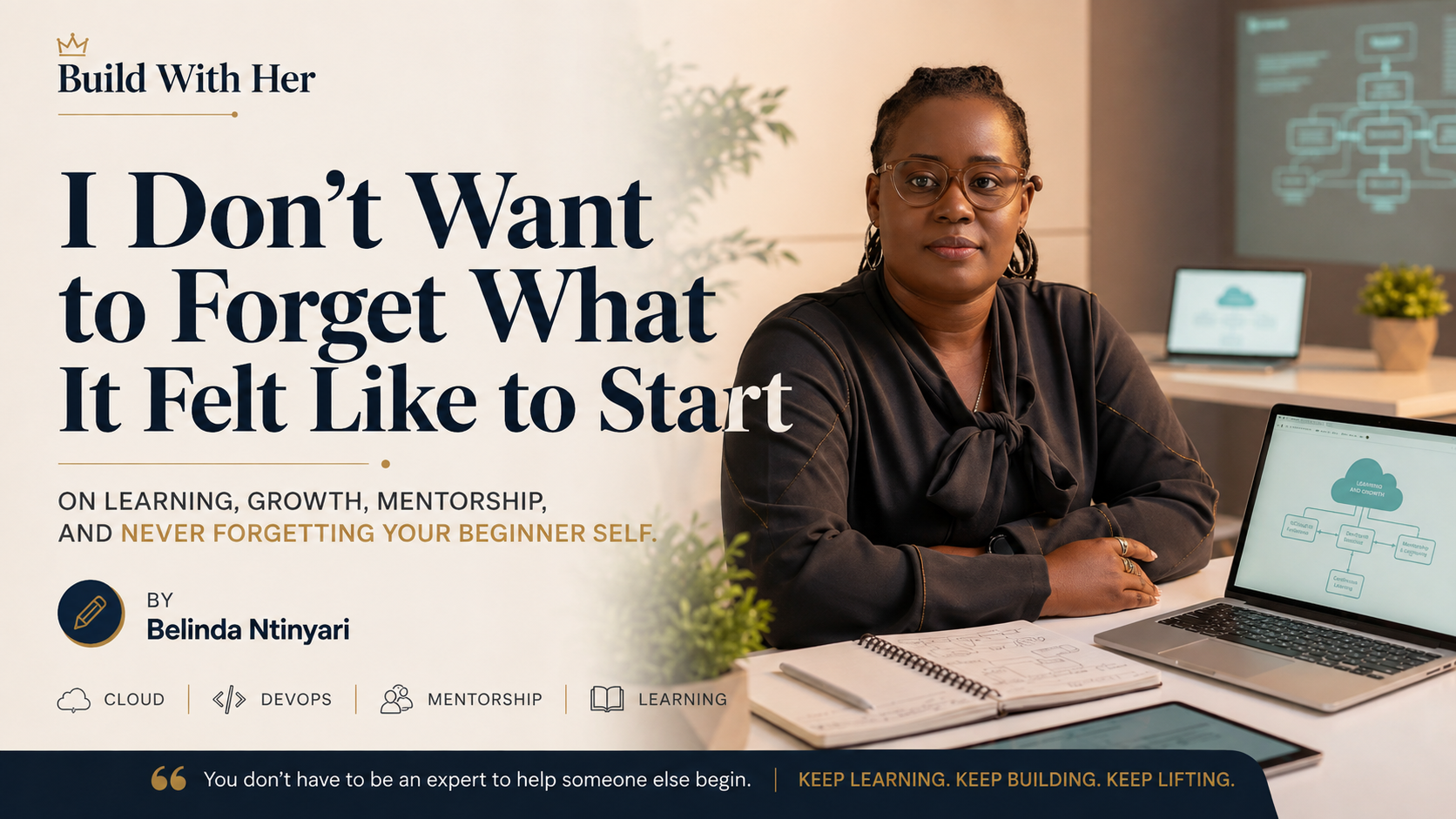
I Don’t Want to Forget What It Felt Like to Start
Starting a career in technology can feel intimidating, especially when the learning curve seems endless. But staying close to that experience of being a beginner has become one of my greatest strengths. From learning AWS and Terraform to building projects, teaching technical sessions, and mentoring other people, I have discovered that you don't have to be an expert to help someone else begin. This is a reflection on learning, growth, mentorship, and why I never want to forget what it felt like to start.
By Belinda Ntinyari·August 20, 2026·9 min·Contributor - Career Journey
From a Childhood Passion for Robotics to Shaping the Future of Industry
From discovering programming and robotics as a teenager in Senegal to becoming a mechatronics engineer working at the intersection of industry, technology and education, Kiné’s journey has been driven by the same questions: How do things work? How can I build them? How can I make them better?
Her path has taken her from science and robotics programs in Senegal and the United States to demanding preparatory studies in Tunisia, engineering and robotics projects, leadership roles, and advanced studies in robotics, artificial perception and mechatronics in France. Along the way, she developed a particular interest in AI, biomedical technologies and the convergence between intelligent systems and the physical world.
Today, her curiosity has expanded from individual machines to entire ecosystems. Through her work in industrial education, her involvement in Women in Tech Senegal, entrepreneurship with KR EXPERTS, and Future by Kiné, she explores how technology, skills and industrial capabilities can help shape the future — particularly how Africa can move from adopting technologies to increasingly building, adapting and creating them.
The questions never really changed. The scale simply did.By Fatou Kiné THIAM·August 23, 2026·17 min·Contributor - Career Journey
I Wasn’t Trying to Win "Teacher of the Year Award" —Then Technology Changed the Game
I wasn’t trying to become a tech professional—I was trying to become a better teacher. But one interactive board, countless hours of experimentation, and a relentless curiosity transformed my classroom, earned me Teacher of the Year, and set me on an unexpected journey into technology.
By Okolocha E. Nwamaka ·August 23, 2026·3 min·Contributor - Career Journey
From French and Economics to Cybersecurity
From French and Economics teacher to Cybersecurity is a personal account of an unconventional journey into technology. Eileen shares what it meant to enter a male-dominated technical environment without an IT degree, learn cybersecurity through curiosity and practical work, encounter gender bias and industry gatekeeping, build and later close a technology business, and eventually begin rebuilding. The story explores opportunity, practical learning, failure, resilience and what it takes to keep moving when the conventional path is not available.
By Eileen Ambasa Imisa·August 25, 2026·8 min·Contributor


- Founders & Entrepreneurship
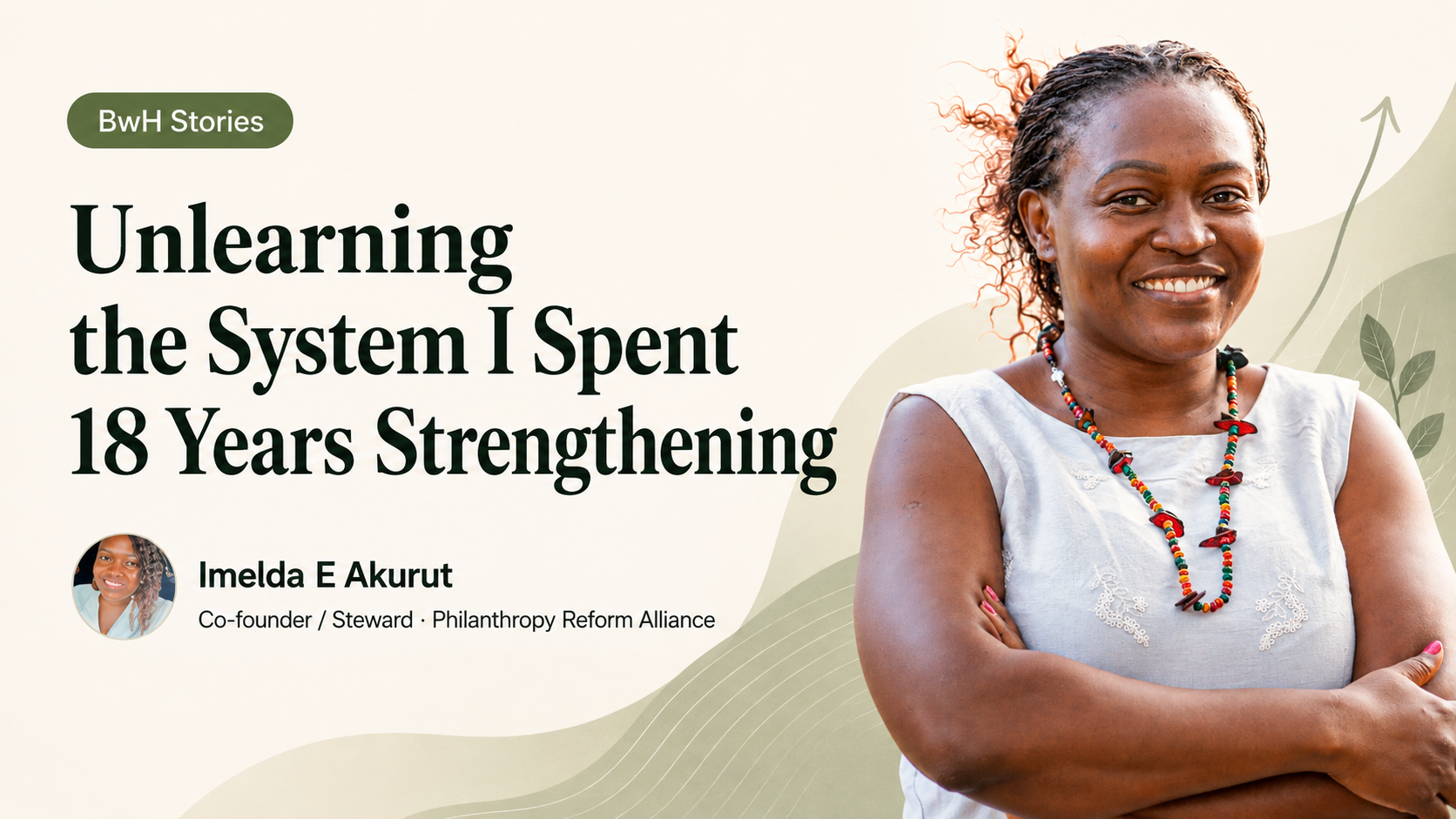
Unlearning the System I Spent 18 Years Strengthening
A practitioner’s journey from strengthening health systems to reimagining development, philanthropy and power.
By Imelda E Akurut·August 17, 2026·10 min·Contributor - Founders & Entrepreneurship
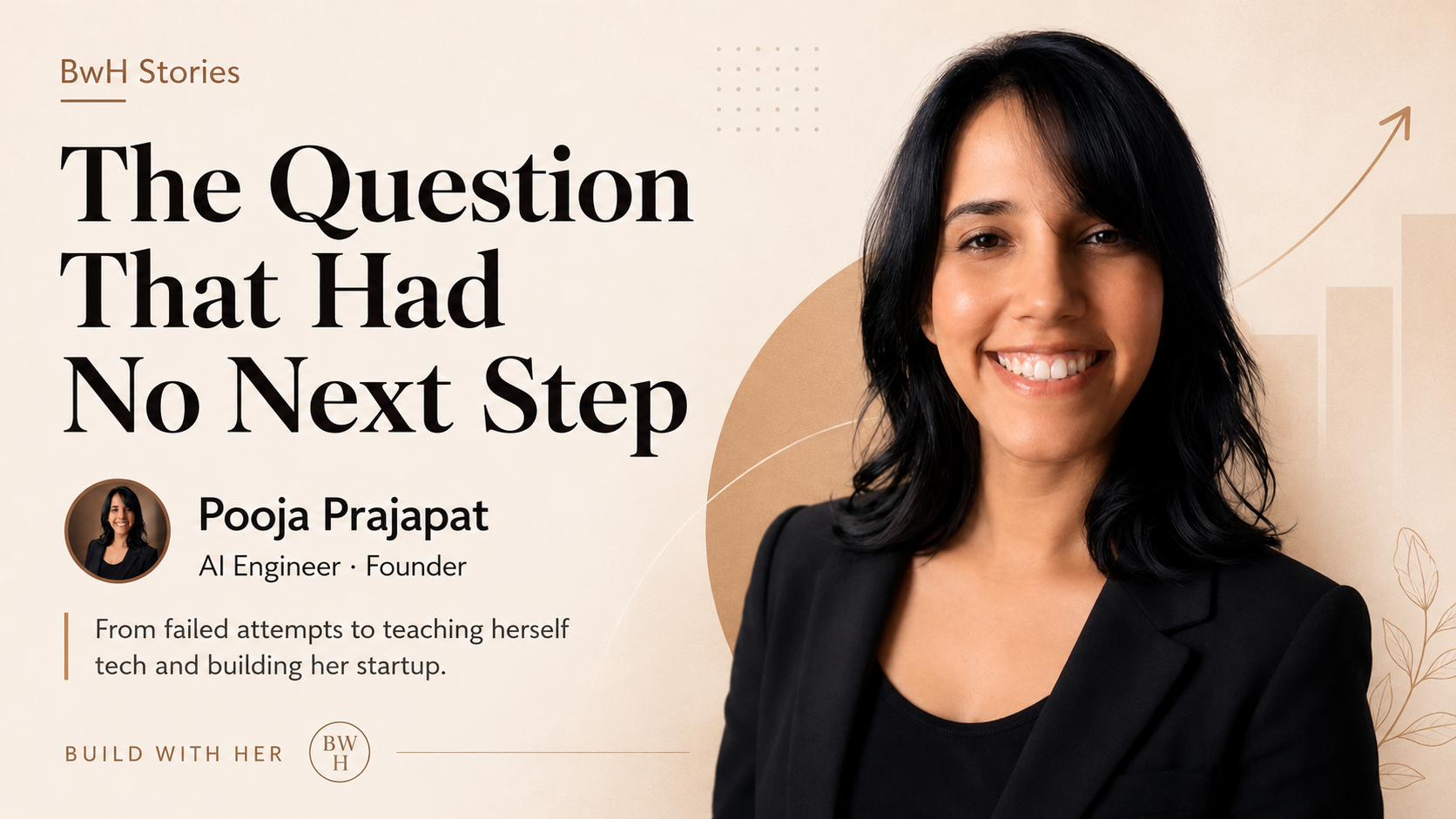
The Question That Had No Next Step
After years of failed attempts at one exam, she left a job with nothing lined up to teach herself technology from scratch. What changed her direction wasn't a big leap of confidence, it was a small shift in the question she asked herself every day. Now building a startup and applying to Y Combinator, she's still working the same way: get stuck, figure it out, keep going.
By Pooja Prajapat·August 18, 2026·3 min·Contributor - Founders & Entrepreneurship
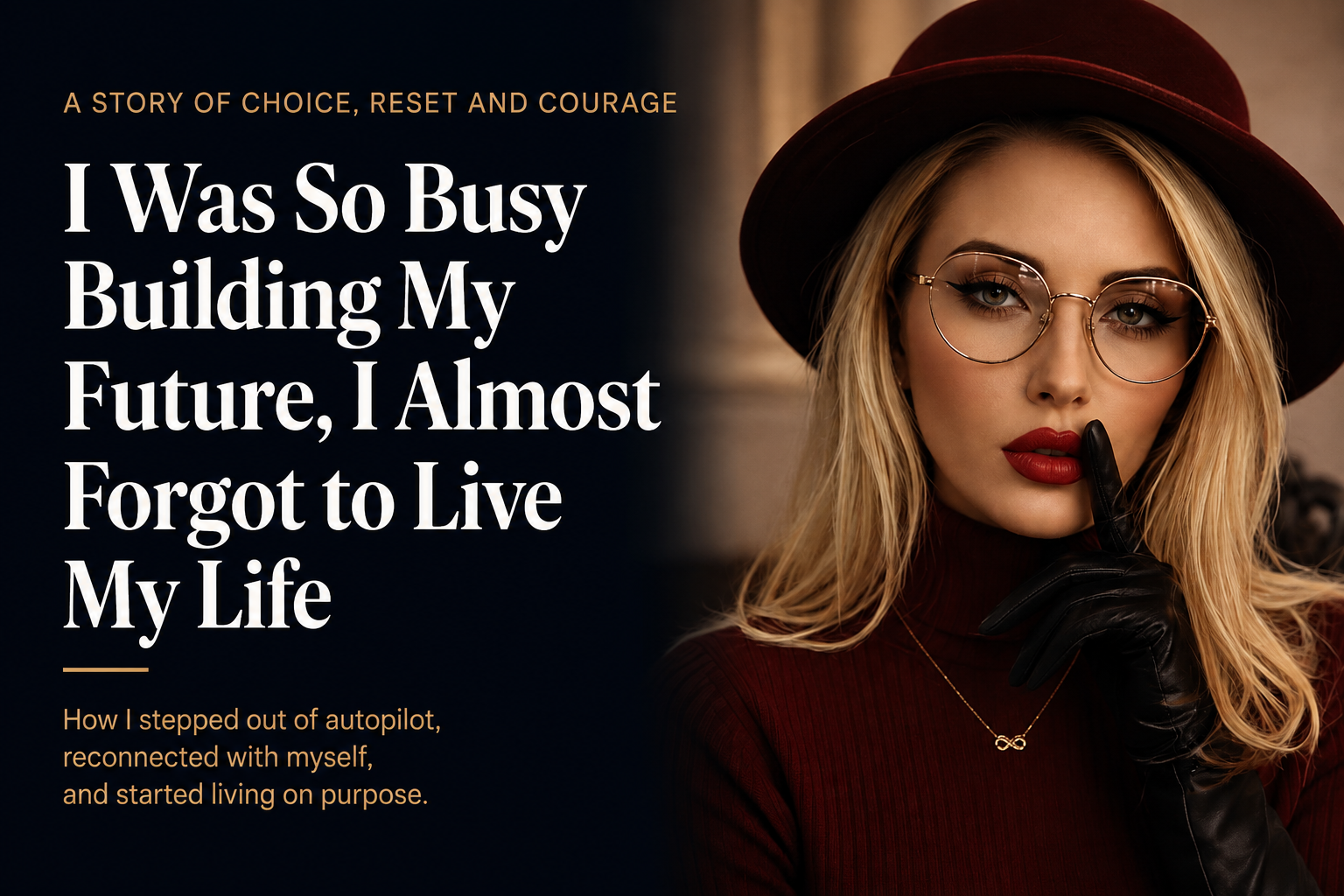
I Was So Busy Building My Future, I Almost Forgot to Live My Life
A deeply personal reflection on what happens when strength becomes an identity. After years of rebuilding through war, relocation, motherhood, uncertainty and entrepreneurship, Helen questions the cost of always being the one who can handle everything — and discovers that real success may be less about surviving more and more about finally allowing yourself to live.
By Helen Gomon·August 18, 2026·7 min·Contributor
- Personal Branding
STOP CHASING FOLLOWERS. START BUILDING TRUST.
Followers can give you visibility, but trust creates opportunities. A strong personal brand is not about how many people follow you—it is about how many people believe in your work, values, and expertise.
By Anitha D·August 19, 2026·5 min·Contributor - Personal Branding
CREDIBILITY: THE FOUNDATION OF A STRONG PERSONAL BRAND
Credibility is not created by simply claiming that you are an expert. It is built through consistent actions, knowledge, experiences, proof, and the trust you earn from others.
By Anitha D·August 20, 2026·5 min·Contributor - Personal Branding
AUTHORITY: BECOME KNOWN FOR WHAT YOU KNOW
Authority is not about having the loudest voice or the biggest following. It is about becoming known for your knowledge, experience, and ability to create value. When you consistently share what you know, people begin to recognize you as someone worth listening to.
By Anitha D·August 22, 2026·5 min·Contributor - Personal Branding
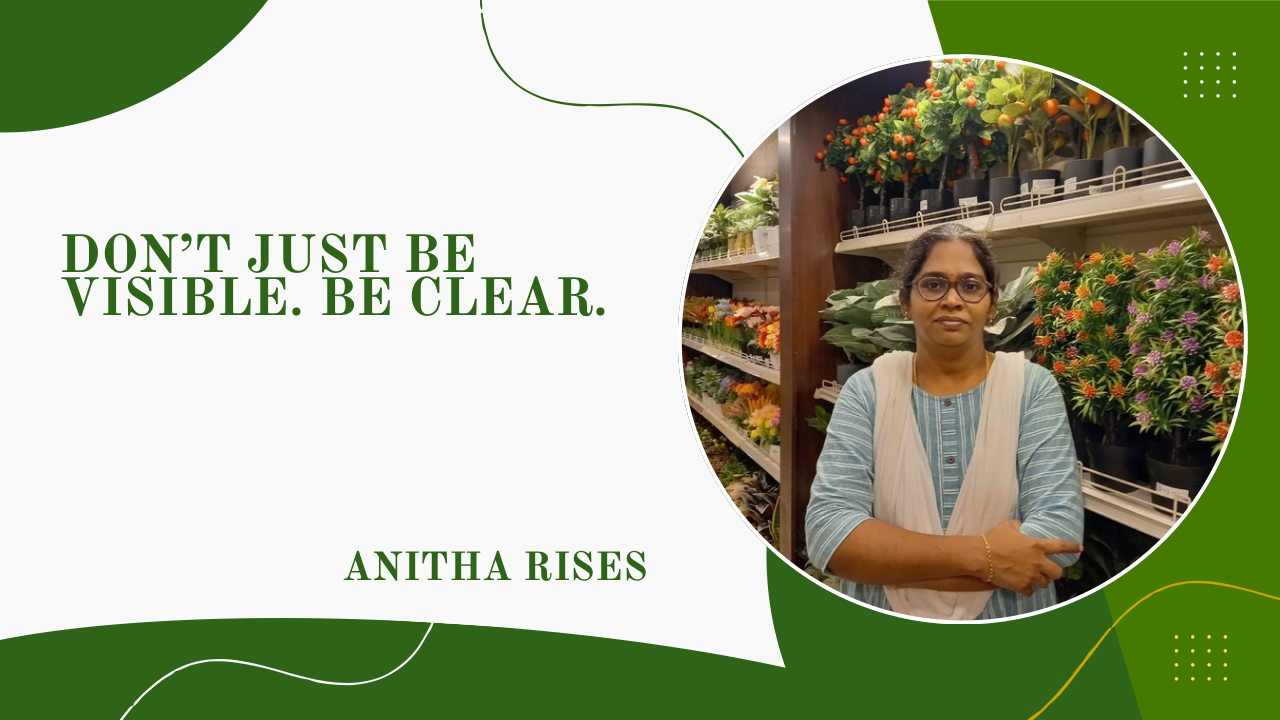
DON’T JUST BE VISIBLE. BE CLEAR.
Clarity is the foundation of a strong personal brand. Before trying to become visible, you need to understand what you stand for, who you want to help, and what value you can offer. When your message is clear, the right people can recognize and remember you.
By Anitha D·August 27, 2026·5 min·Contributor
- Community & Impact
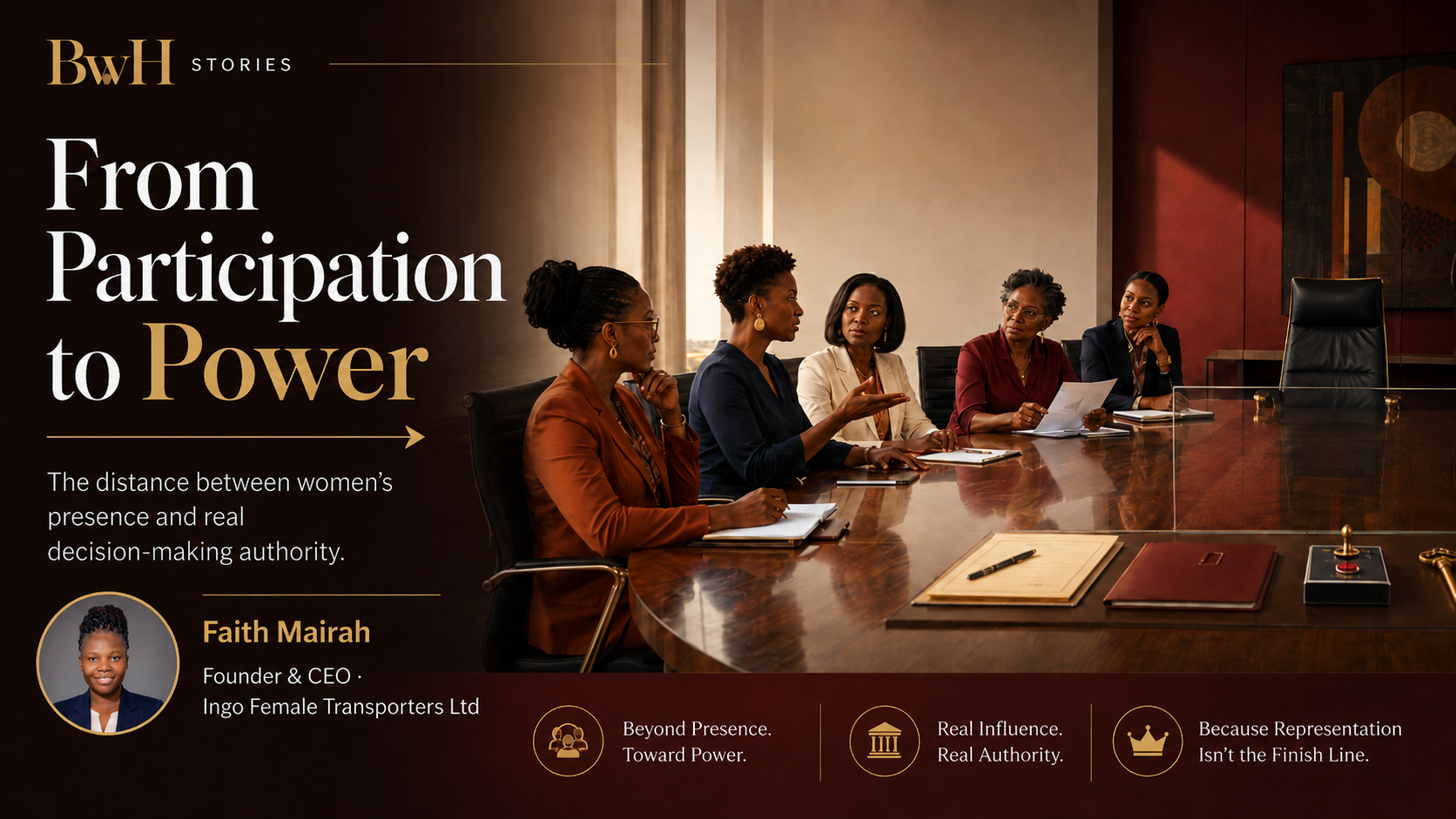
From Participation to Power: The uncomfortable distance between women’s presence and real decision-making authority.
This article examines the gap between inviting women to participate and giving them real decision-making authority. It challenges institutions to move beyond representation, consultation and visibility towards genuine power-sharing—where women can influence priorities, control resources, reject proposals and change outcomes. Inclusion, it argues, must be measured not by attendance, but by impact.
By Faith Mairah·August 18, 2026·4 min·Contributor - Community & Impact
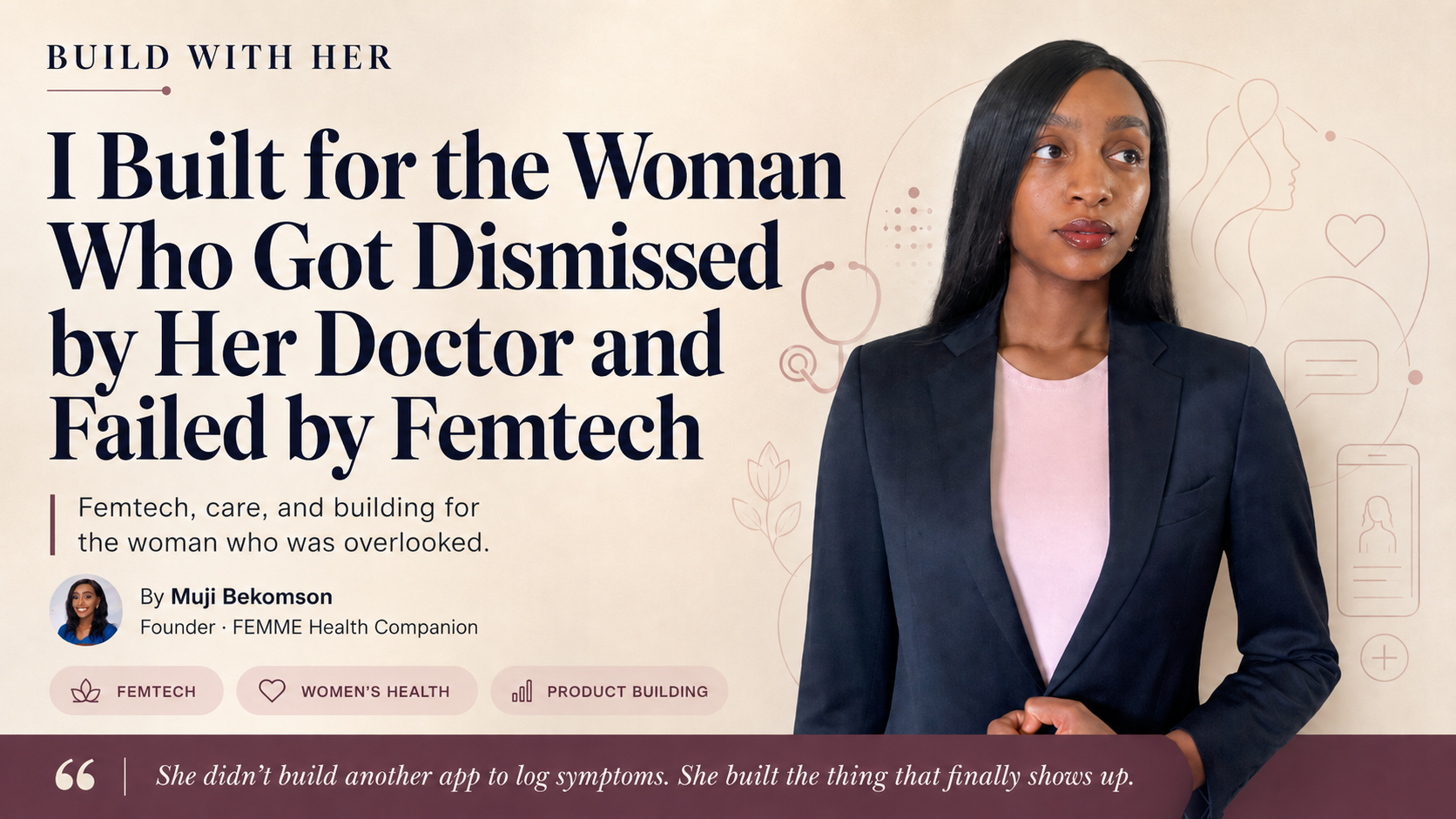
I Built for the Woman Who Got Dismissed by Her Doctor and Failed by Femtech
Four women dismissed in four different rooms, by doctors who moved too fast and femtech that never quite saw them. Muji Bekomson didn't build another app to log symptoms into. She built the thing that finally shows up, before any of them have to prove they deserve it.
By Muji Bekomson·August 26, 2026·5 min·Contributor - Community & Impact
Not Your Cup of Tea, Now Your Proudest Endorsement
This story follows one woman's path through doubt, including doubt from her own family and a manager who once told her cybersecurity was not her cup of tea. Instead of shrinking around that doubt, she turned it into fuel, kept showing up on the unremarkable days, and eventually proved her worth so clearly that the same manager became one of her strongest public endorsers.
By KOPAL DIXIT·August 27, 2026·8 min·Contributor
BWH Reports examines patterns across the larger body of stories published by women in the magazine, the kind of shape that only appears when many issues are read together.
- Stella Ojiuba
- Balikis Shuarau
- Jayshree Mallaya
- Imelda E Akurut
- venisa sara
- Krishnaveni Gorijavolu
- Barbara Hamilton
- Pooja Prajapat
- Faith Mairah
- Helen Gomon
- venisa sara
- Anitha D
- Belinda Ntinyari
- Anitha D
- Stella Ojiuba
- Anitha D
- Adigo Yakubu Attah
- Fatou Kiné THIAM
- Okolocha E. Nwamaka
- Eileen Ambasa Imisa
- Stella Ojiuba
- Muji Bekomson
- KOPAL DIXIT
- Anitha D