Not Built to See
What gets checked and what actually matters keep turning out to be two different things. This issue caught that gap in the act, again and again, across a boardroom, a diagnosis, a résumé, and a decade-old age limit: rooms that had nothing else in common.
What gets checked and what actually matters keep turning out to be two different things. This issue caught that gap in the act, again and again, across a boardroom, a diagnosis, a résumé, and a decade-old age limit: rooms that had nothing else in common.
An access badge does not know when someone has stopped meaning well. It only knows whether the number on the card still matches a number in a database, which is, if you read this issue's piece on insider threats, most of what "trust" has ever meant inside an organization: a proxy, not a person.
That gap, between the thing an institution checks and the thing it's actually trying to know, turns out to be what a surprising number of this issue's writers are circling, from very different rooms. One contributor, building assistive AI, points out that every tool before this one required a diagnosis first, "a price of admission," before anyone would help you think. Another found an age cutoff on a security training program and asked, in public, what happens to the woman above forty who quietly closes the tab; 8,591 people had apparently been waiting for someone to ask. A third watches applicant-tracking systems filter out capable people because their last job title used the wrong word. Two more write from opposite corners, a boardroom and a classroom, and both describe a version of the same failure: someone still fully capable while the system reads her as less than she is, because it was never built to see the part that matters.
None of these writers agree on the fix. One thinks the gate should come down. Another, writing about that same kind of access two pieces later, thinks the more common failure is a login nobody thought to revoke: the "highest-risk window" between the day someone decides to leave and the day their access is actually cut. Both are right, which is the uncomfortable part.
What this issue doesn't offer is a clean answer to which is which. What it offers, story after story, is a group of women looking hard at the thing standing at the door: a diagnosis, a title, an age, a badge, a composed voice in a meeting. They refuse to mistake it for the person on either side of it.

When does removing the gate mean removing an unfair test, and when does it mean removing a safeguard nobody thought carefully enough to keep?
This issue doesn't resolve that tension; it holds it. Some contributors want a gate gone or widened: a diagnosis nobody should have needed, an age limit that shouldn't exist. Others argue the opposite failure is just as real: access nobody thought to revoke, trust extended without any structure to review it. Read side by side, the disagreement is genuine, not manufactured.
An editorial observation from this issue’s stories, not a research finding
- AI
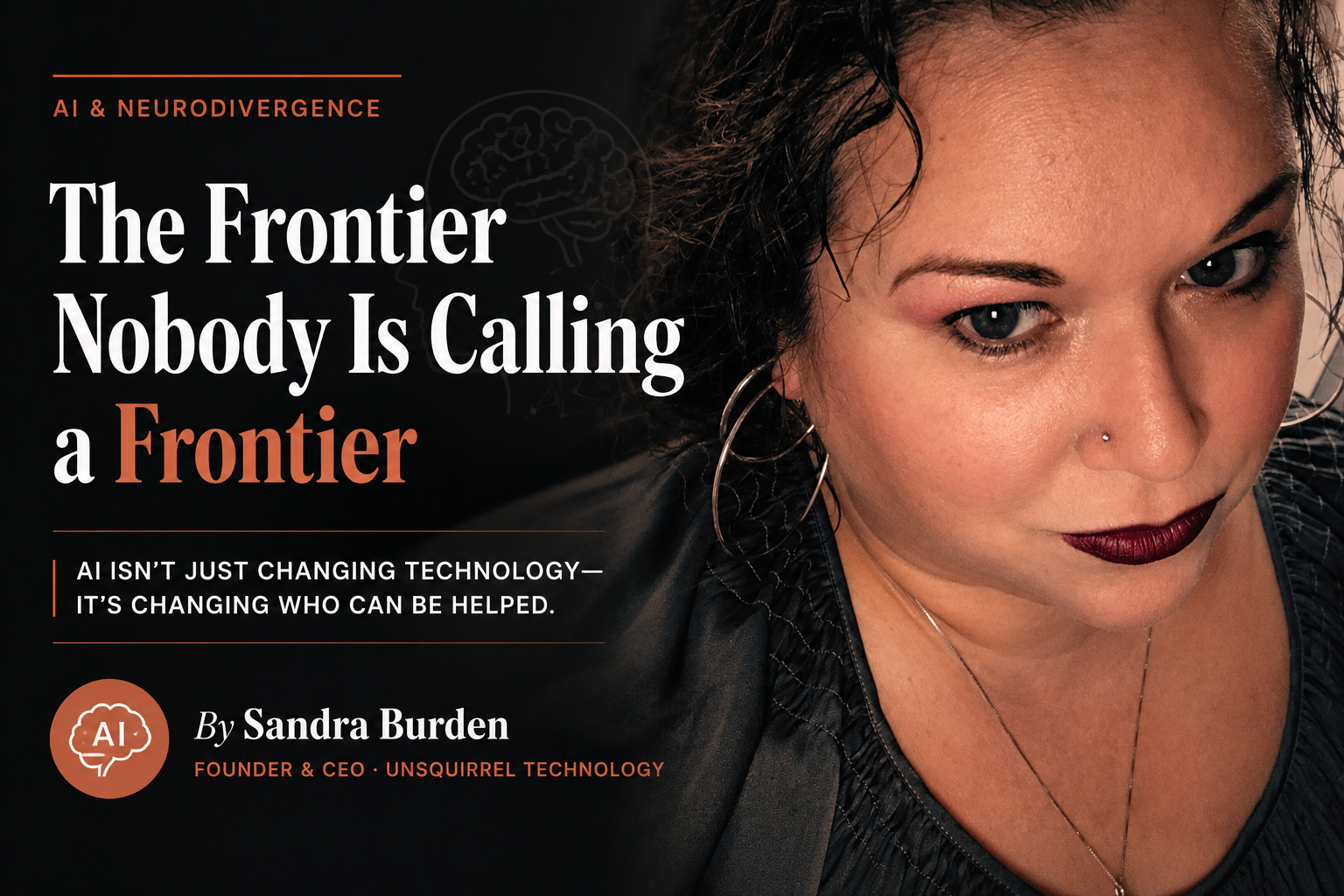
The Frontier Nobody Is Calling a Frontier
By Sandra Burden - Career Journey
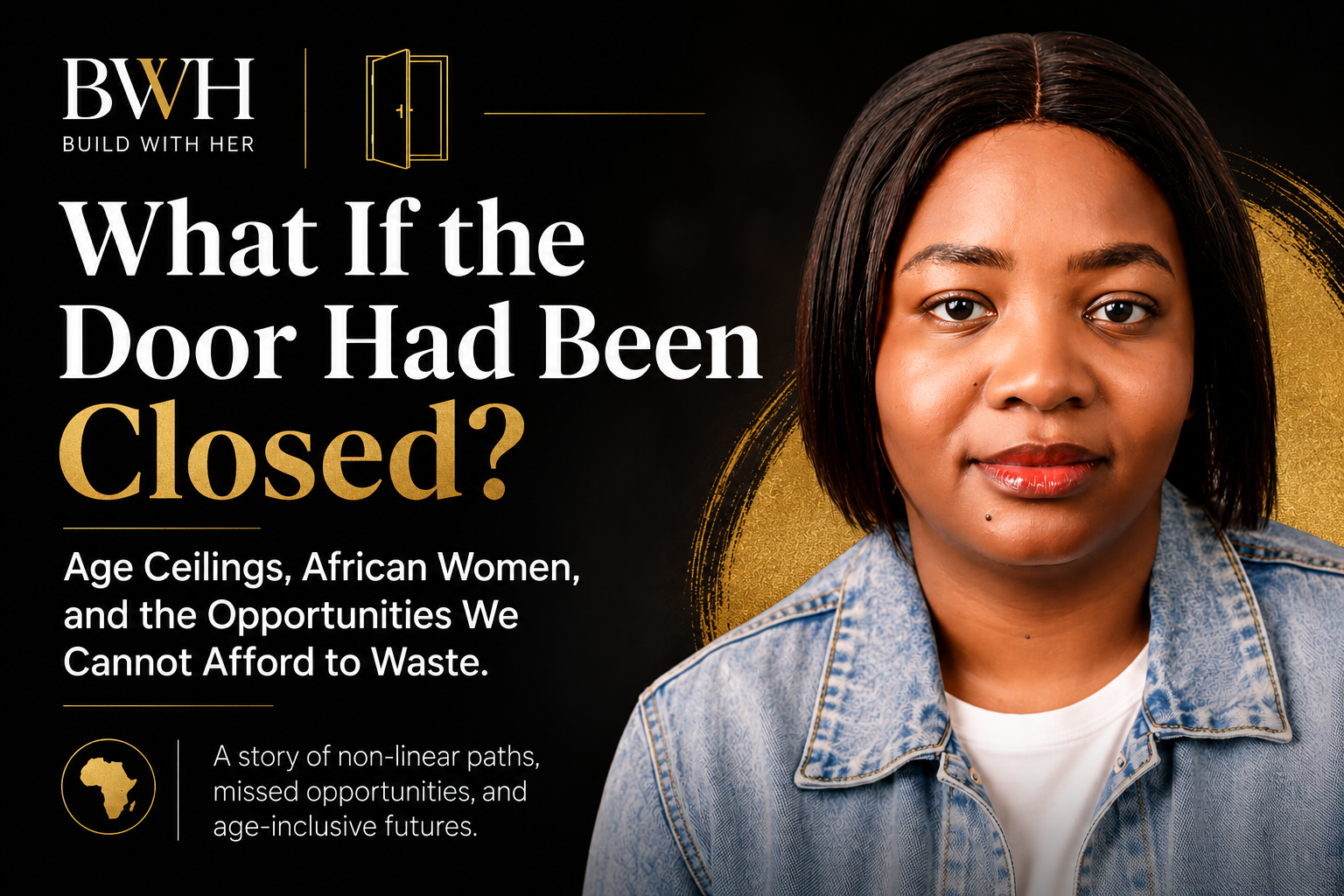
What If the Door Had Been Closed? Age Ceilings, African Women, and the Opportunities We Cannot Afford to Waste.
By Adigo Yakubu Attah - Cybersecurity
Why the Most Dangerous Person in Any Organisation Is the One Who Already Has Access
By Stella Ojiuba - Career Journey
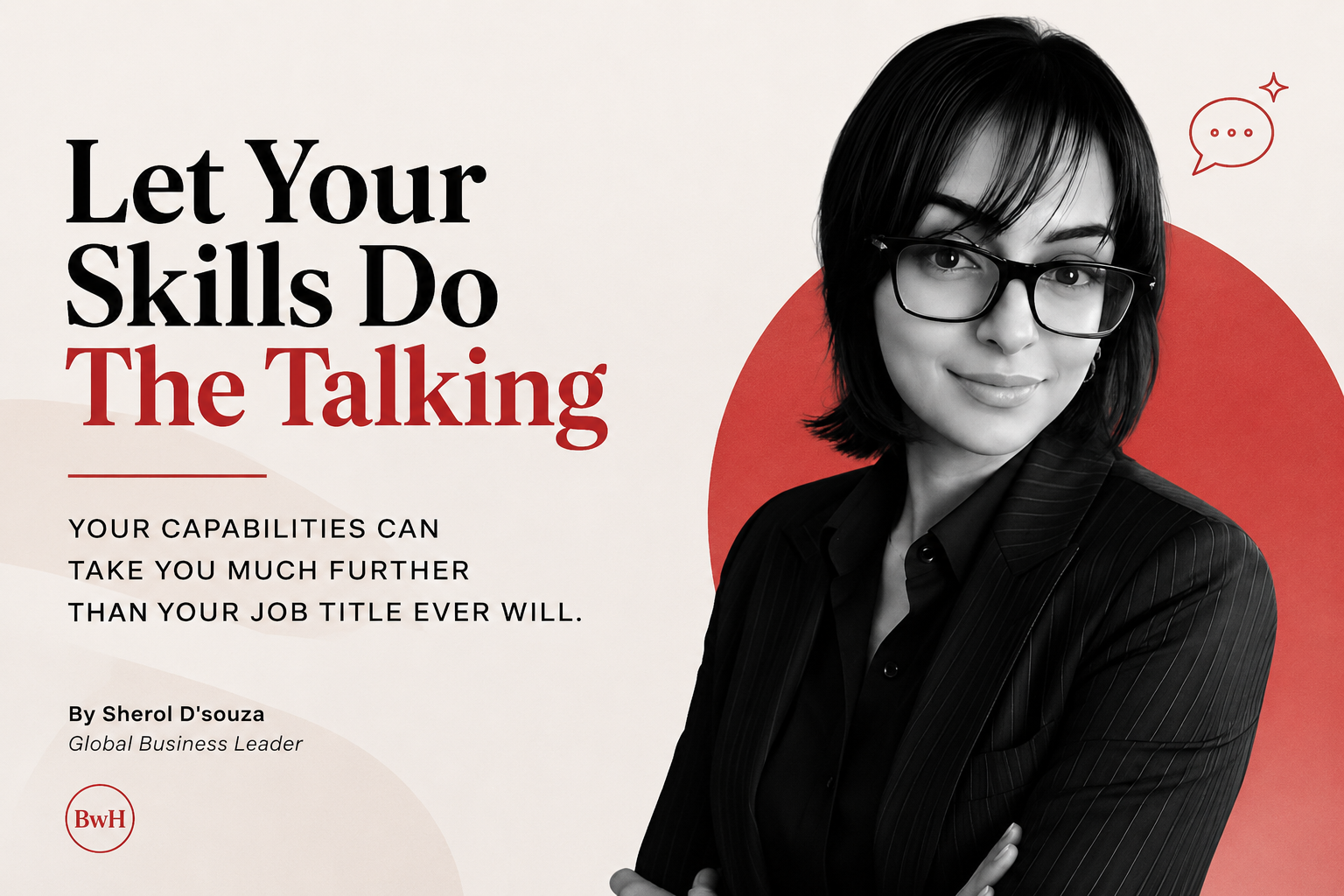
Let Your Skills Do The Talking
By Sherol D'souza - Cybersecurity
The Quiet Violence of Being Watched: What Mass Surveillance Actually Does to the Human Mind
By Stella Ojiuba
- Cybersecurity
Why the Most Dangerous Person in Any Organisation Is the One Who Already Has Access
This article unpacks the three faces of the insider threat, the human reality behind the risk, and what organisations and individuals must understand to build security that actually holds.
By Stella Ojiuba·July 31, 2026·8 min·Contributor - Cybersecurity
The Quiet Violence of Being Watched: What Mass Surveillance Actually Does to the Human Mind
This article pulls back that curtain on mass surveillance from government programmes to employer monitoring to the devices you invited into your own home and makes the human case for why privacy is not about having something to hide, but about having somewhere to be fully, freely, privately yourself.
By Stella Ojiuba·August 11, 2026·8 min·Contributor
- Leadership
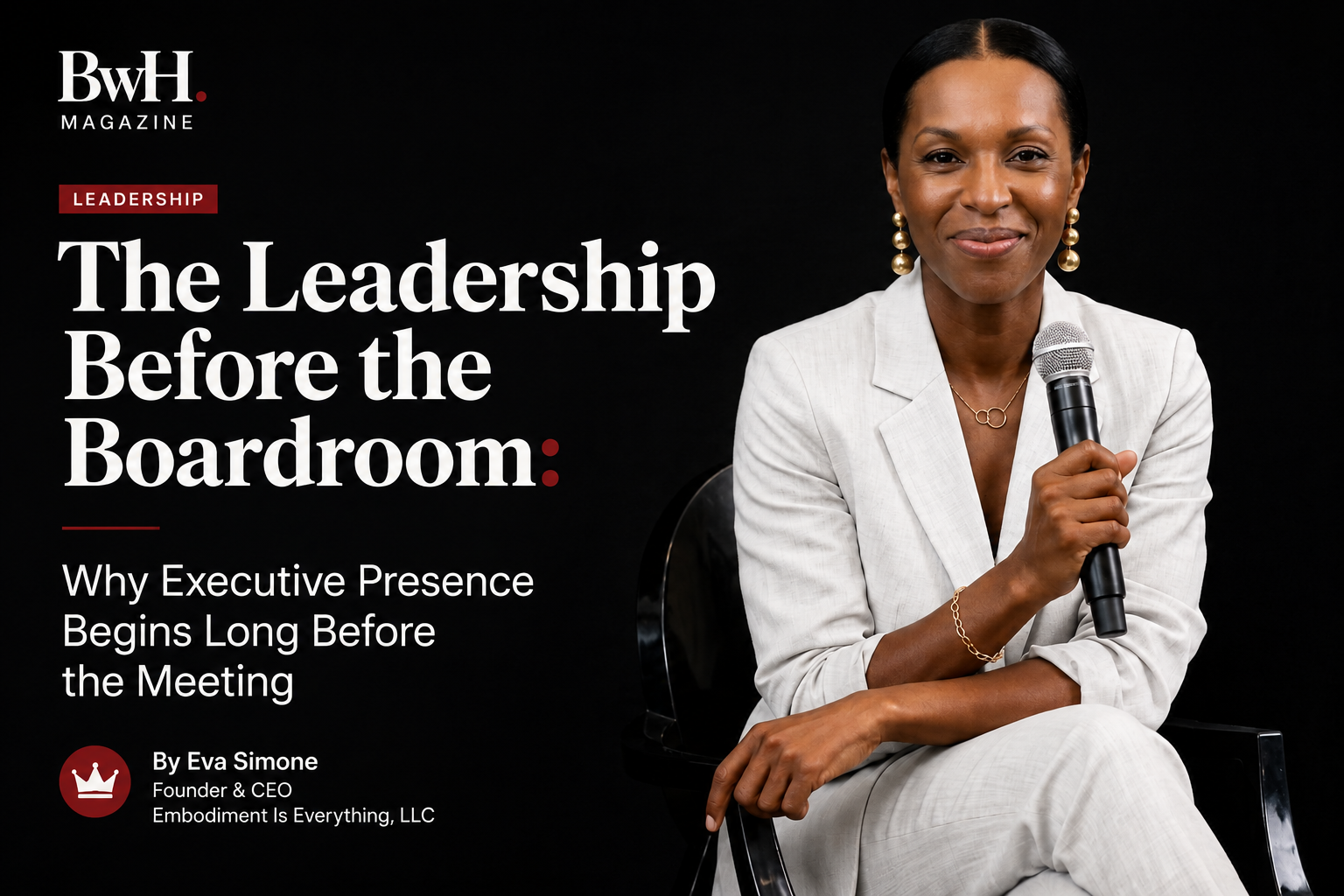
The Leadership Before the Boardroom: Why Executive Presence Begins Long Before the Meeting
Discover why executive presence, board leadership, and leadership effectiveness begin long before the meeting—and how Embodied Architecture™ transforms leaders from the inside out.
By Eva Simone·August 3, 2026·3 min·Contributor - Leadership
The Last Generation That Will Remember a World Before Smartphones Is Now Running Companies
This article is an honest, emotional reckoning with what that means, what we carry from the before-times that still matters, and what we owe to the generation that never had it.
By Stella Ojiuba·August 3, 2026·8 min·Contributor - Leadership
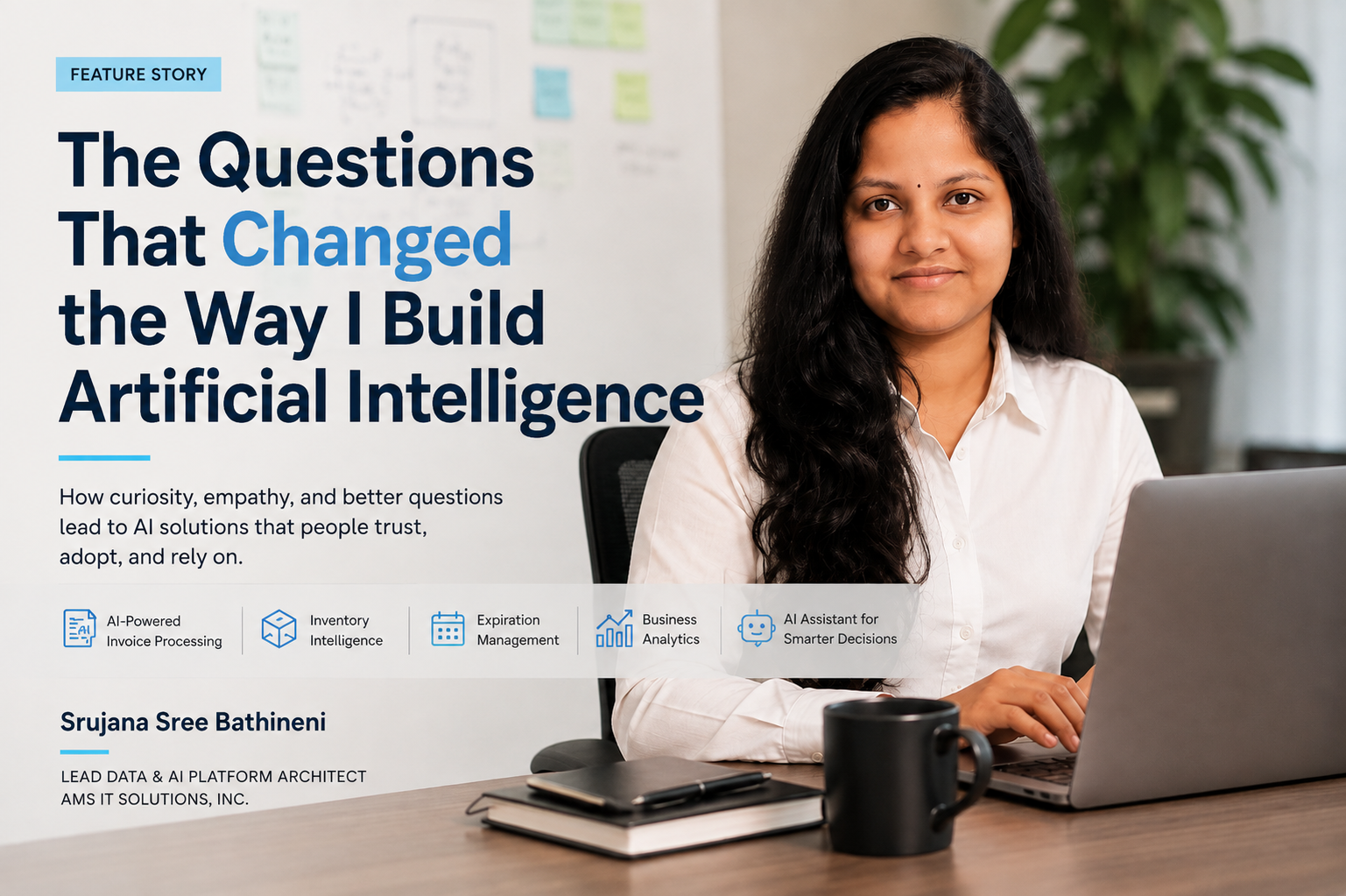
The Questions That Changed the Way I Build Artificial Intelligence
Throughout my career in Enterprise AI, I believed success came from having the right technical answers. Over time, I discovered that the greatest breakthroughs came from asking better questions, listening more carefully, and putting people, not technology at the center of innovation.
By Srujana Sree Bathineni·August 6, 2026·6 min·Contributor - Leadership
What If Leadership Is Making Brilliant Women Opaque?
Brilliant women can remain high-performing while becoming less intellectually visible. This article explores why that matters.
By Eva Simone·August 11, 2026·2 min·Contributor - Leadership
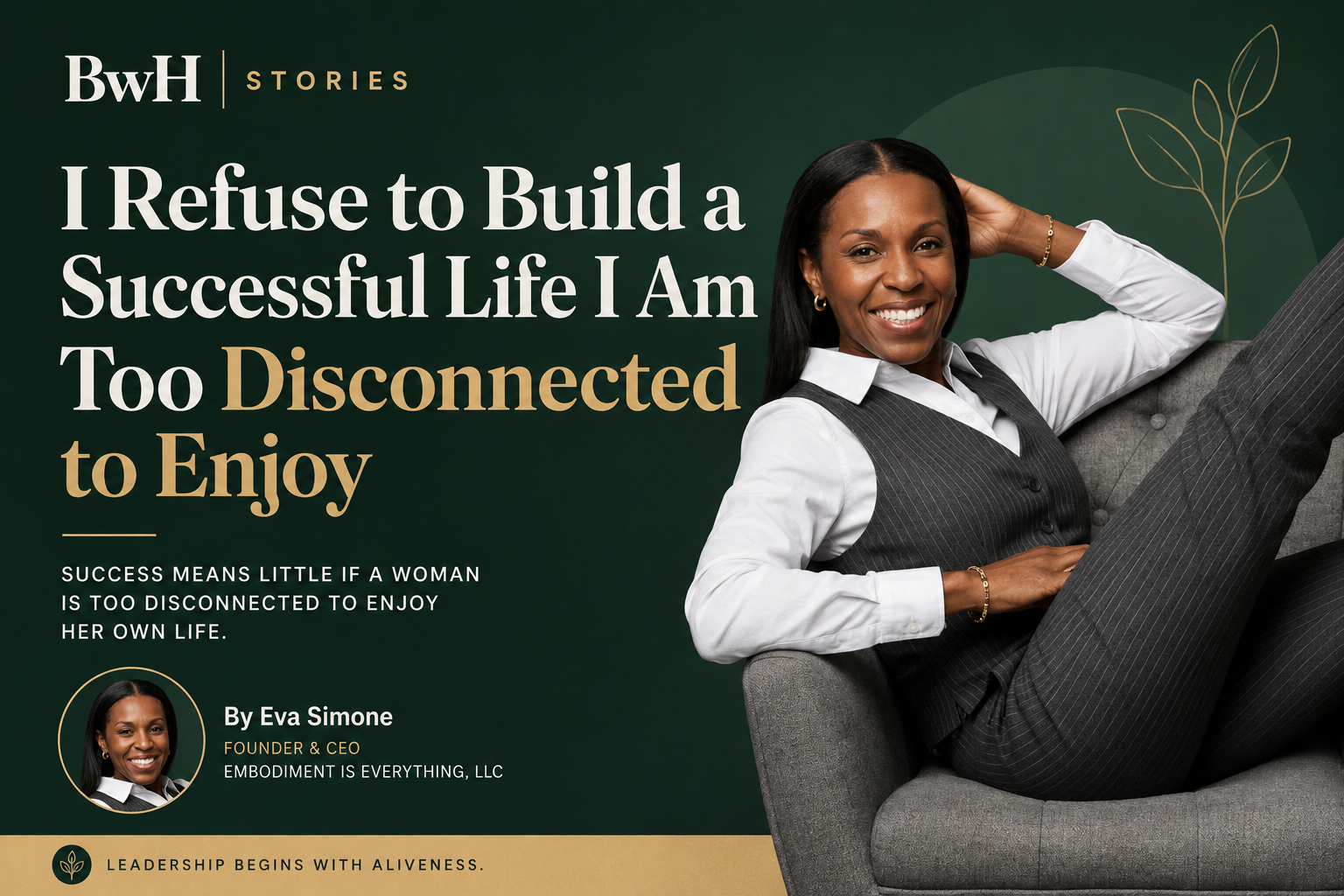
I Refuse to Build a Successful Life I Am Too Disconnected to Enjoy
Success means little if a woman is too disconnected to enjoy her own life. This article explores aliveness as part of leadership.
By Eva Simone·August 11, 2026·2 min·Contributor
- Career Journey
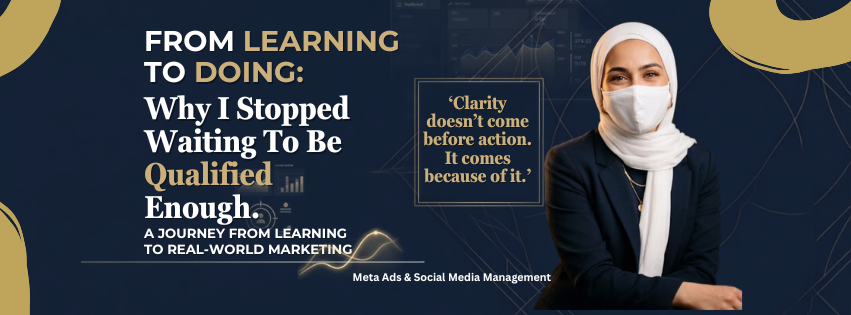
From Learning To Doing: Why I Stopped Waiting To Be "Qualified Enough"
Adeela Rashid, a Meta Ads and social media management intern trained through the PSDF Rural Women Skill Development Program, shares how she moved from years of unfocused self-learning to hands-on, real-world marketing experience — and why she now stands ready to support businesses with their social media and ad campaigns.
By Adeela Rashid·July 31, 2026·10 min·Contributor - Career Journey
Let Your Skills Do The Talking
What if the biggest obstacle to your next career opportunity is not your experience, but the way you describe it? In this thought-provoking article, Sherol D'souza reveals how, in today's rapidly changing world of work, job titles and industries no longer define a person's true potential. Instead, transferable skills, adaptability, and the value we create are what truly open doors.
By Sherol D'souza·July 31, 2026·8 min·Contributor - Career Journey
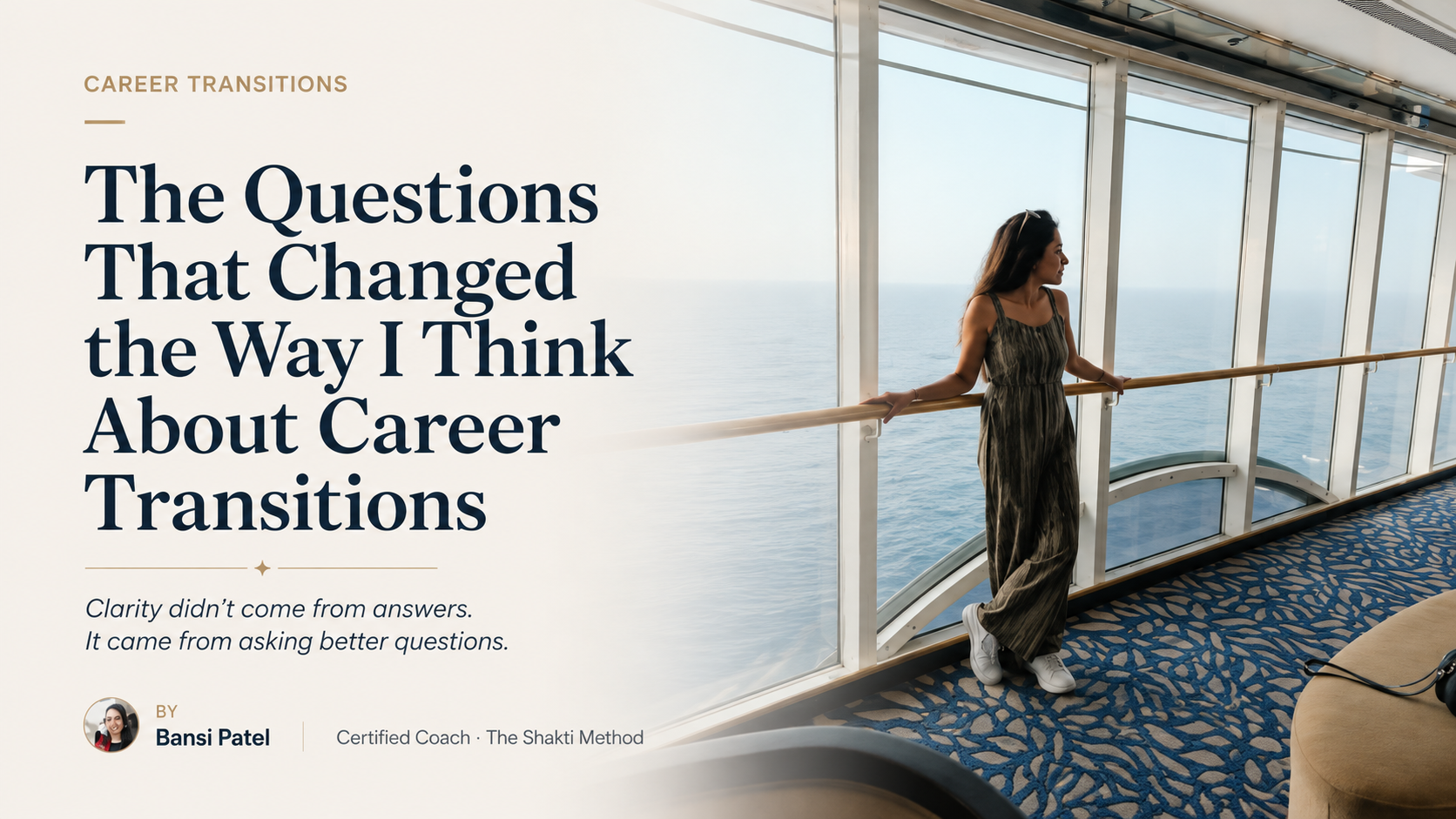
The Questions That Changed the Way I Think About Career Transitions
If you've ever stared at a rejection email and wondered, "What am I doing with my life?", you're not alone! Here are the exact questions that helped me stop searching for certainty and start trusting myself again.
By Bansi Patel·August 2, 2026·7 min·Contributor - Career Journey
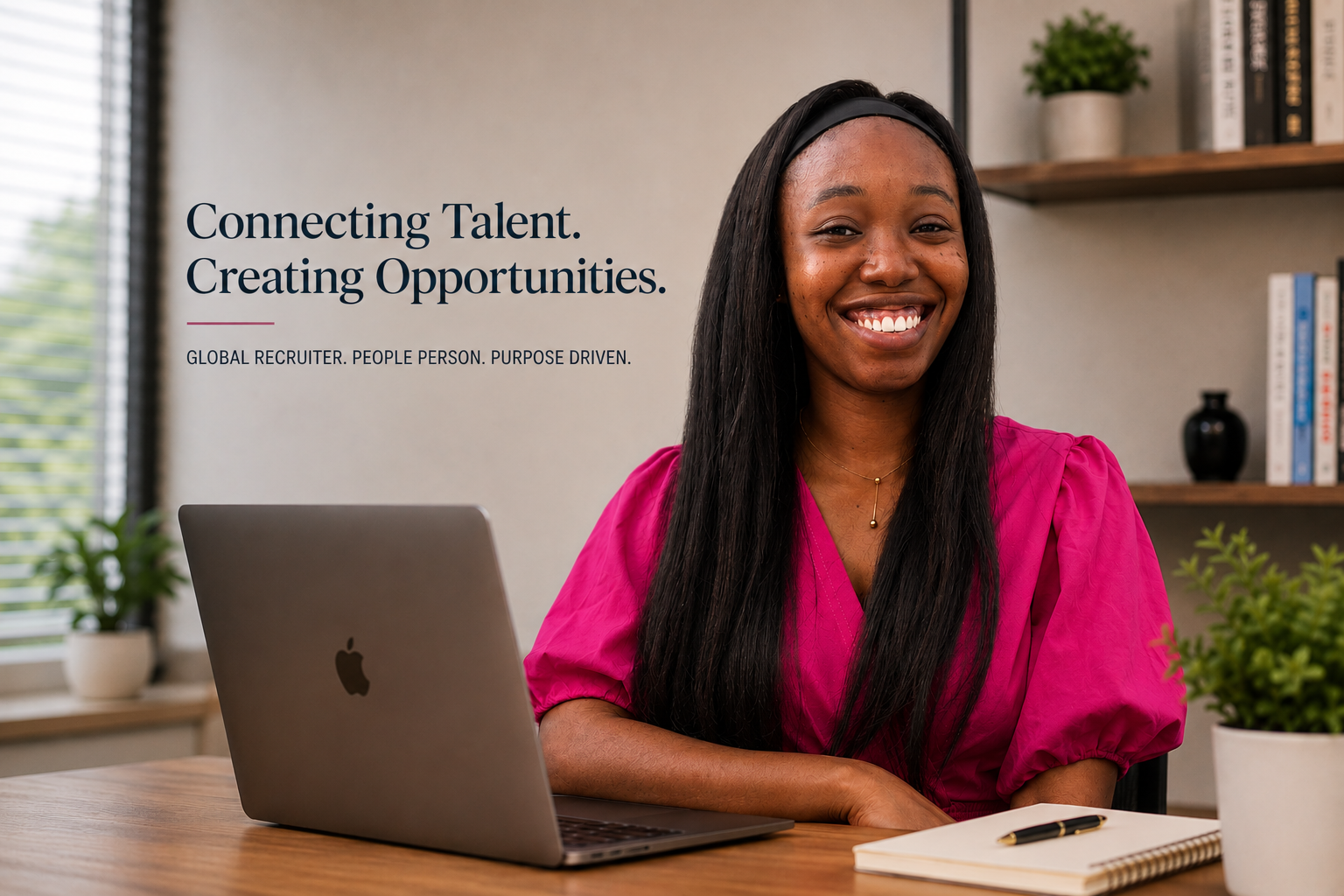
How Recruitment Became My Purpose
I never planned to become a recruiter, but it became the career that gave me purpose. Today, as a Global Recruiter and Talent Sourcer, I help connect exceptional talent with meaningful opportunities and believe that one opportunity can change a person's life.
By Adebukola Ajetunmobi ·August 2, 2026·5 min·Contributor - Career Journey
What If the Door Had Been Closed? Age Ceilings, African Women, and the Opportunities We Cannot Afford to Waste.
What if one age limit had closed the door before her journey even began? Adigo traces the chain of opportunities - from a diplomatic mentorship programme to the ECOWAS Peace Fund to postgraduate cybersecurity research - that shaped her career and makes the case that African women's non-linear paths deserve age-inclusive fellowships, not arbitrary cutoffs.
By Adigo Yakubu Attah·August 4, 2026·7 min·Contributor - Career Journey
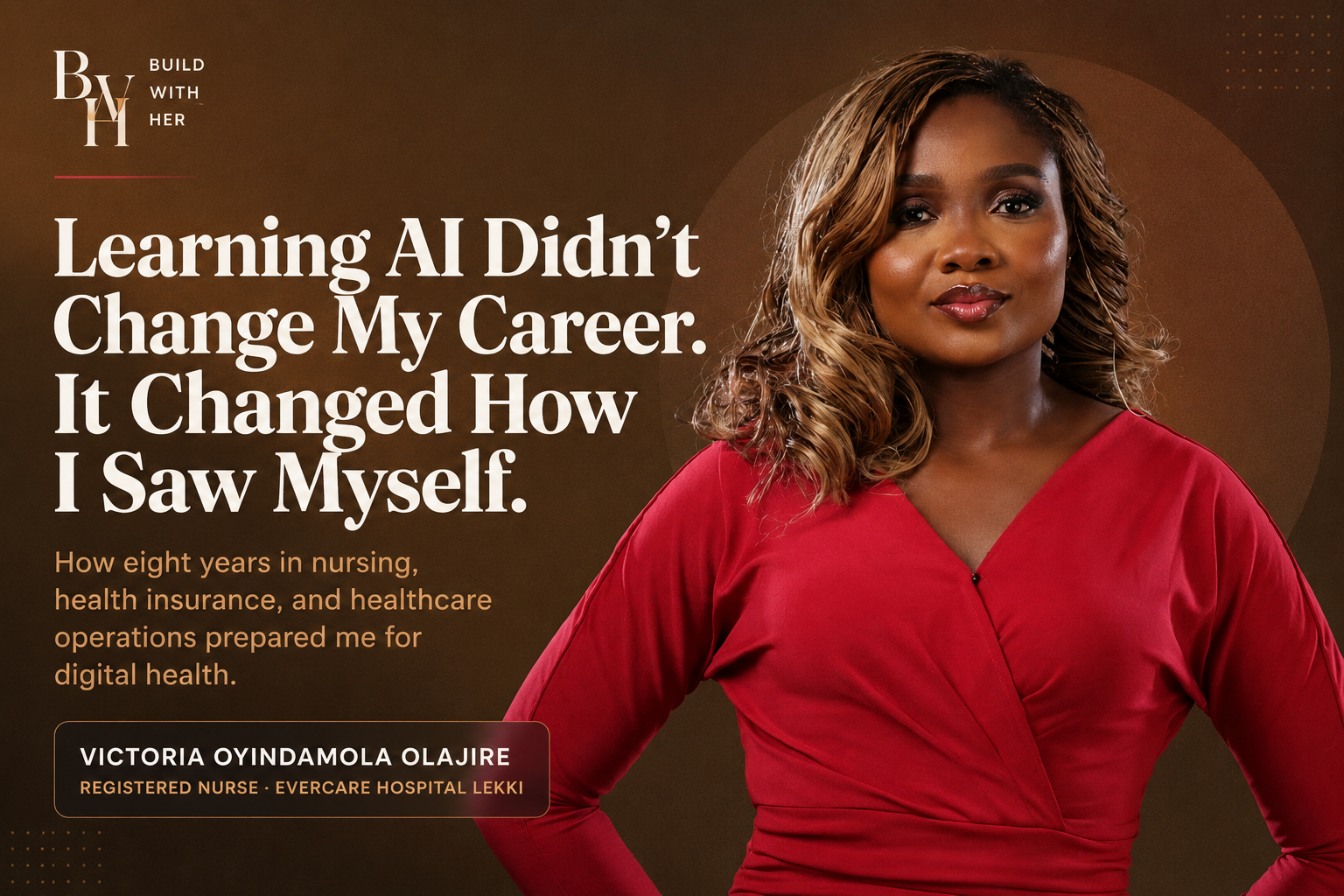
Learning AI Didn’t Change My Career. It Changed How I Saw Myself. How eight years in nursing, health insurance, and healthcare operations prepared me for digital health.
For years, I believed I needed more qualifications before I could contribute to the future of healthcare. As I began learning AI and digital health, I discovered something unexpected: the experiences I had gained across nursing, health insurance, quality auditing, and healthcare operations weren’t disconnected—they were preparing me for this next chapter. This story is about overcoming comparison, recognizing the value of lived experience, and learning to see healthcare through a new lens.
By Victoria Oyindamola Olajire ·August 4, 2026·10 min·Contributor - Career Journey
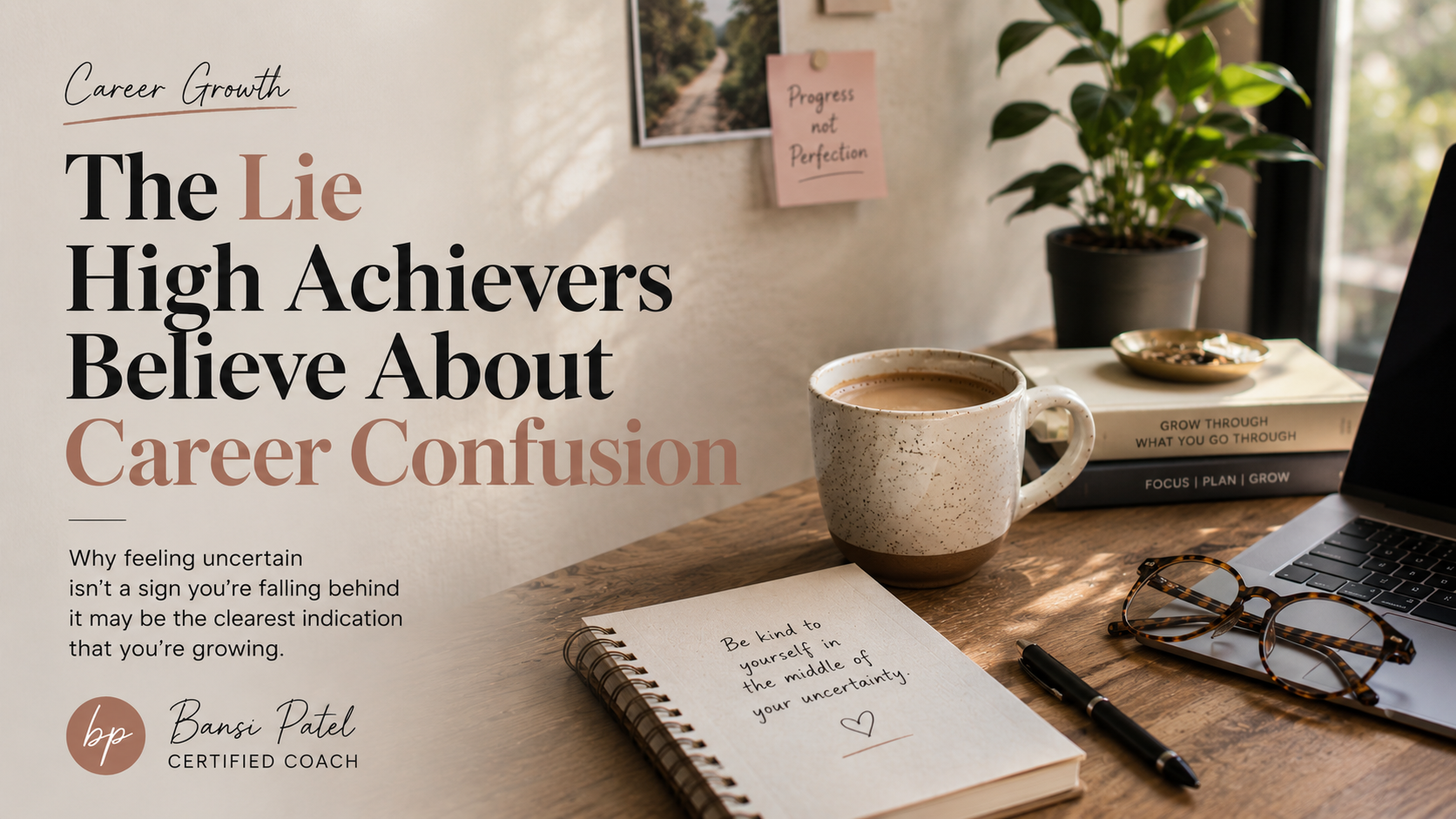
The Lie High Achievers Believe About Career Confusion
Why feeling uncertain isn't a sign you're falling behind, it may be the clearest indication that you're growing.
By Bansi Patel·August 7, 2026·6 min·Contributor - Career Journey
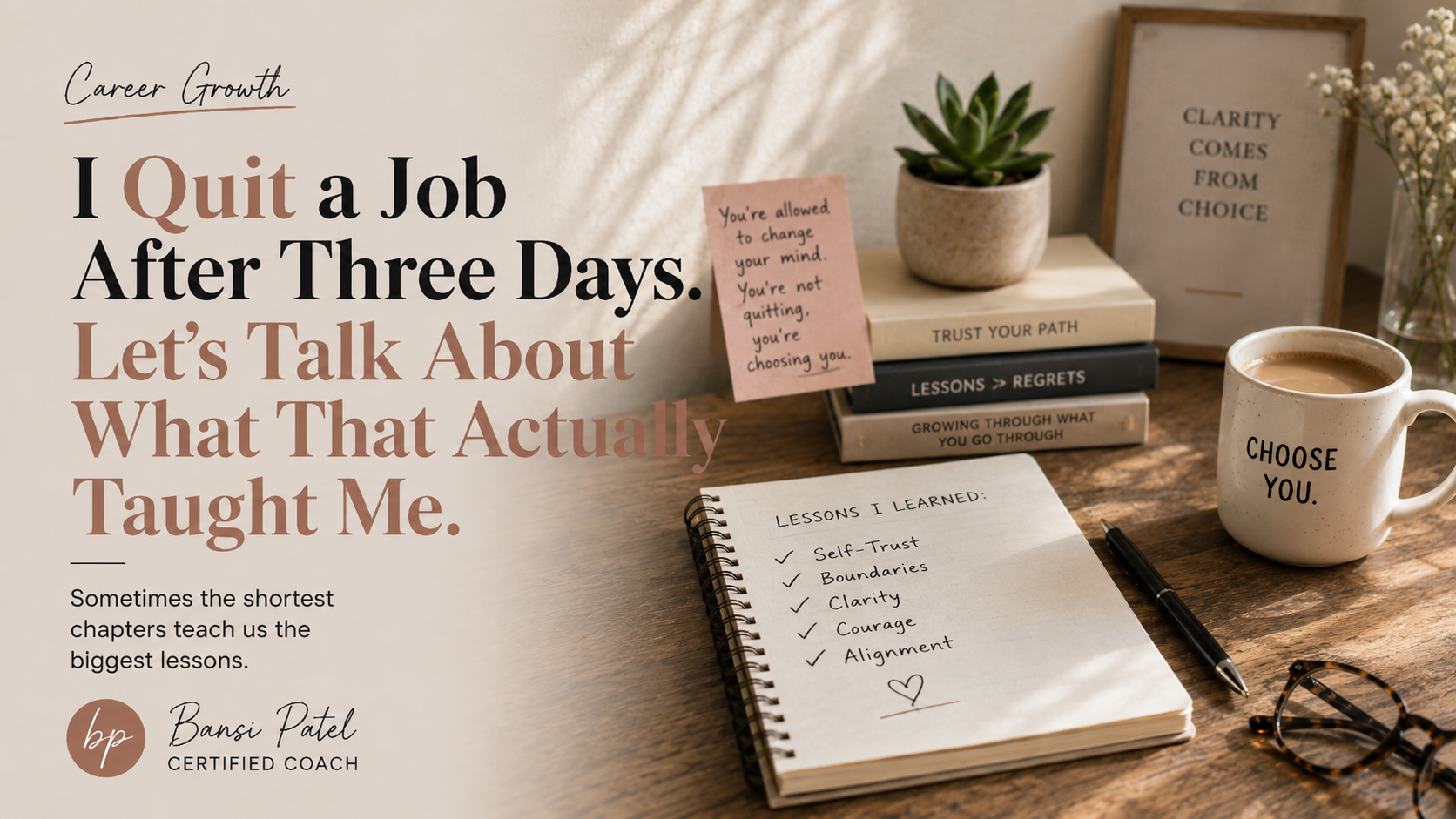
I Quit A New Job After Three Days. Here's What It Taught Me About Myself.
Three days into a new job, she quit. Nothing went wrong. She just finally asked herself the one question she'd been avoiding.
By Bansi Patel·August 10, 2026·4 min·Contributor
- Learning & Education
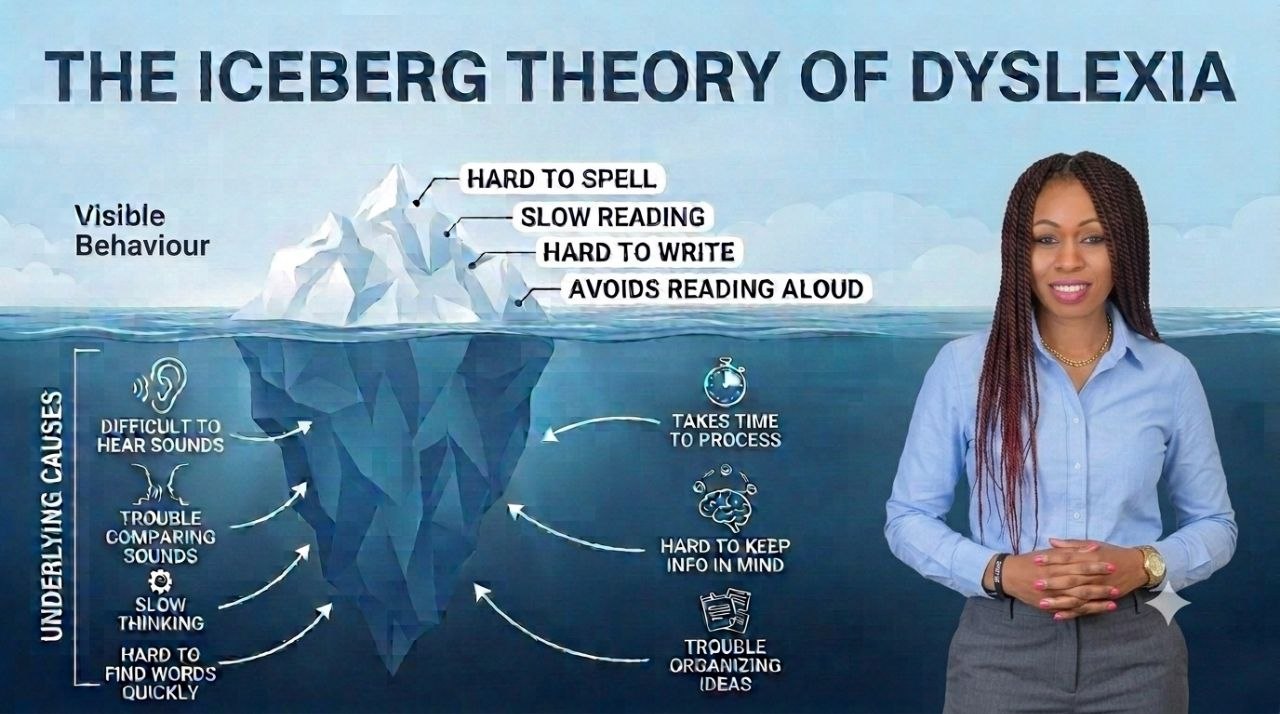
The Iceberg Theory of Dyslexia: The Story Hidden Beneath Every Struggling Reader
The Iceberg Theory of Dyslexia reminds us that while people often notice reading and spelling difficulties, they rarely see the hidden emotional struggles beneath the surface, such as anxiety, frustration, exhaustion, slow processing, and low self-confidence. These invisible challenges can have a profound impact on a person's learning journey and overall well-being, making empathy, patience, and appropriate support just as important as academic intervention. When we choose to look beyond the visible struggles, we empower individuals with dyslexia to discover their strengths, build confidence, and reach their full potential.
By Mary Imaobong Offiong·August 3, 2026·6 min·Contributor - Learning & Education
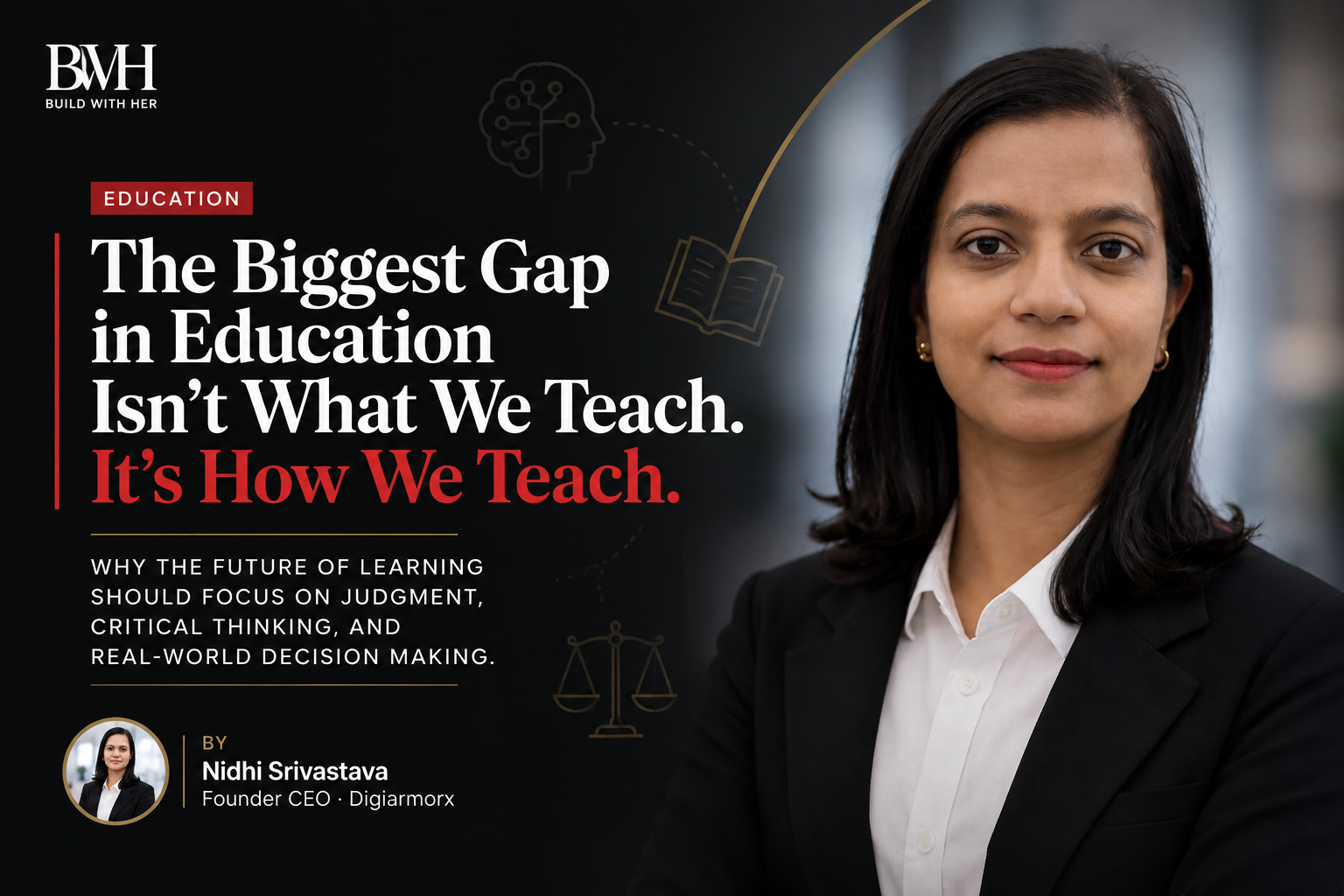
The Biggest Gap in Education Isn't What We Teach. It's How We Teach.
As technology evolves faster than ever, education faces an important question: Are we preparing children to remember information or to make better decisions? This article explores why the future of learning should focus on judgment, critical thinking, and real-world decision making, especially in an AI-driven world.
By Nidhi Srivastava·August 4, 2026·5 min·Contributor - Learning & Education
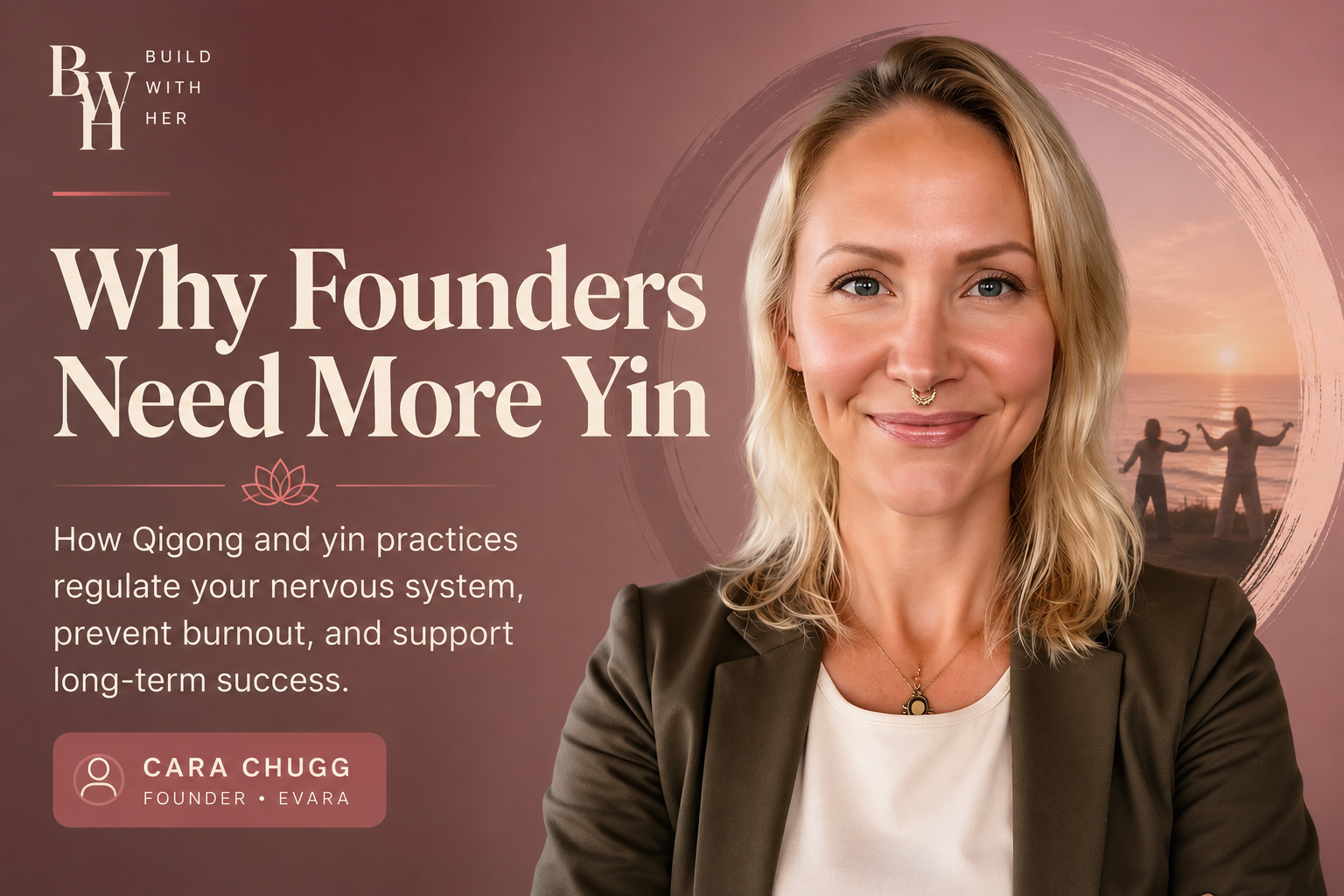
Why Founders Need More Yin
Founders spend much of their lives in yang energy—building, leading and constantly taking action. This article explores why balancing that drive with yin through practices like Qigong is essential for regulating the nervous system, preventing burnout and supporting long-term health, resilience and sustainable success.
By Cara Chugg·August 4, 2026·3 min·Contributor
BWH Reports examines patterns across the larger body of stories published by women in the magazine, the kind of shape that only appears when many issues are read together.
- Stella Ojiuba
- Adeela Rashid
- Sherol D'souza
- Bansi Patel
- Adebukola Ajetunmobi
- Mary Imaobong Offiong
- Rehab Ragab
- Eva Simone
- Stella Ojiuba
- Nidhi Srivastava
- Adigo Yakubu Attah
- Victoria Oyindamola Olajire
- Cara Chugg
- Srujana Sree Bathineni
- Sandra Burden
- Bansi Patel
- Nishita Thakur
- Bansi Patel
- Stella Ojiuba
- Eva Simone
- Eva Simone