Before It Had a Name
Reading the stories that arrived during these two weeks, we kept noticing the same first move before the harder one: a burnout renamed as drift, a productivity complaint traced back to a habit, a grief industry with no regulator, a way of reading and speaking that had no word for thirty-five years. The naming came first. The building came after.
Reading the stories that arrived during these two weeks, we kept noticing the same first move before the harder one: a burnout renamed as drift, a productivity complaint traced back to a habit, a grief industry with no regulator, a way of reading and speaking that had no word for thirty-five years. The naming came first. The building came after.
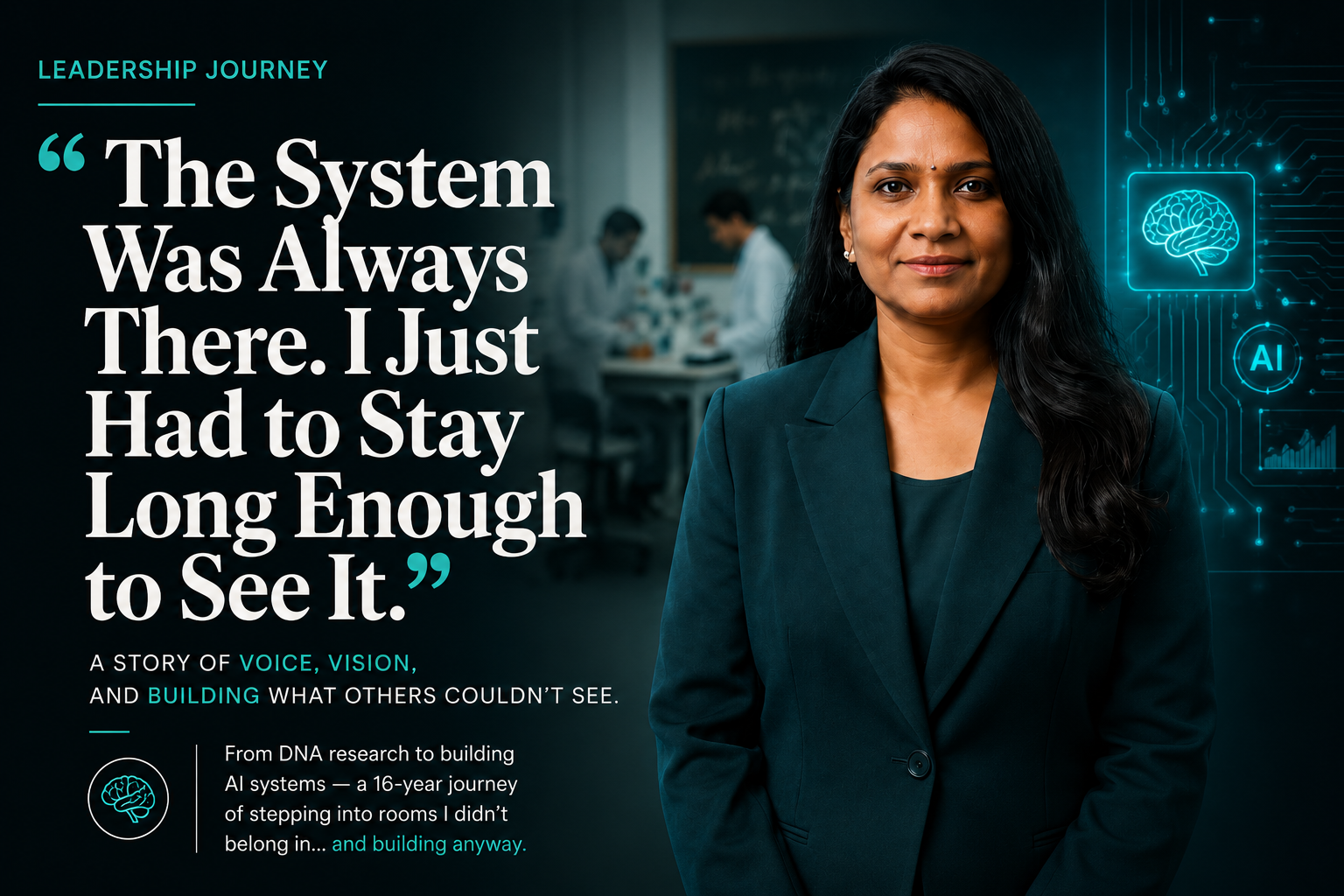
Sixteen years into her career, Sai Aparna Mopuru writes that she used to sit in meetings at Amazon with "an entire perspective forming in real time that never quite made it out of my mouth." Then she names what changed, and it isn't confidence: "The system was always there. I just had to stay long enough to see it." We kept that sentence open on a second screen while reading the rest of this issue, because it kept describing stories that had nothing else in common.
A CTO writes that system design isn't dead, "the death notice names the wrong victim," and spends the rest of her piece identifying exactly which three assumptions underneath it actually broke. A founder traces a single rescheduled interview back through a business that has quietly "learned to wait" for her. A security engineer maps a new AI attack surface that doesn't have a finished industry standard yet, so she's drafting the checklist herself. A woman recognizes her own dyslexia at fifty-one, from a stranger's video, after three decades of doctors calling it something else: anxiety, PTSD, a personality trait. None of these are stories about being brave first. They're stories about being accurate first, sometimes for the first time, about something that had been misdescribed for years.
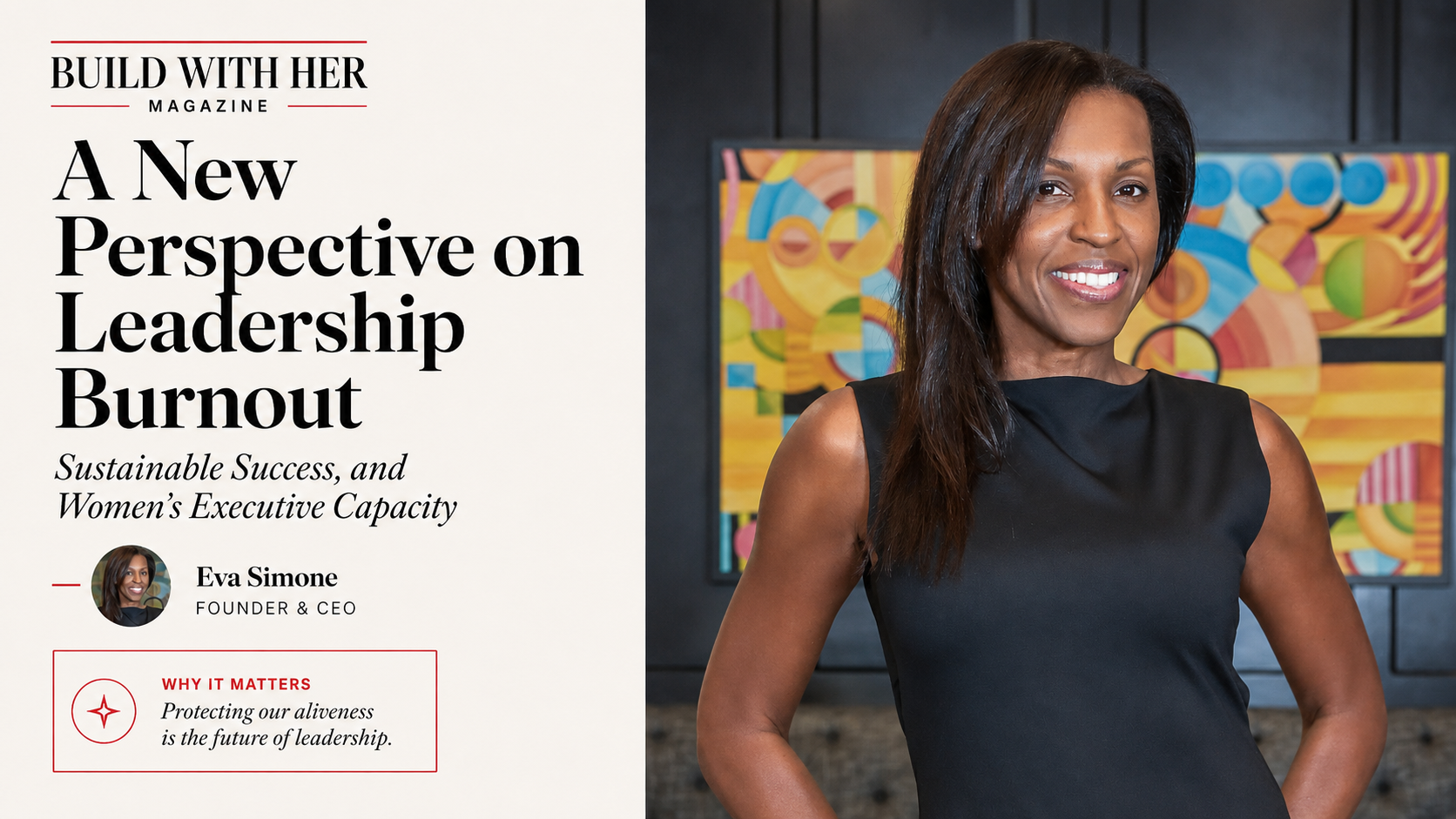
Once we noticed it, the stories started arguing with each other in useful ways. One contributor insists that what gets called "burnout" in executive women is actually something quieter and worse: "not away from work. Away from themselves." A few pieces over, another argues the entire model for governing AI is borrowed from the wrong precedent, built for a technology whose safety could only ever live outside it. Different fields, same instinct: stop treating the symptom as the diagnosis.
What we couldn't resolve, and didn't try to, is who gets to do that naming, and what it costs to wait for it. We're not printing this issue because we solved that. We're printing it because so many of these women, independently, in industries that don't talk to each other, arrived at the same first move.
The Editors
Who gets to name what's actually happening?
Sometimes naming is solitary and almost accidental. Sometimes it requires institutional weight before anyone will believe it. And sometimes there is no existing authority to do the naming yet at all. This issue doesn't resolve where that authority should come from. It just keeps handing readers different answers to the question, from different rooms.
An editorial observation from this issue’s stories, not a research finding
- Founders & Entrepreneurship
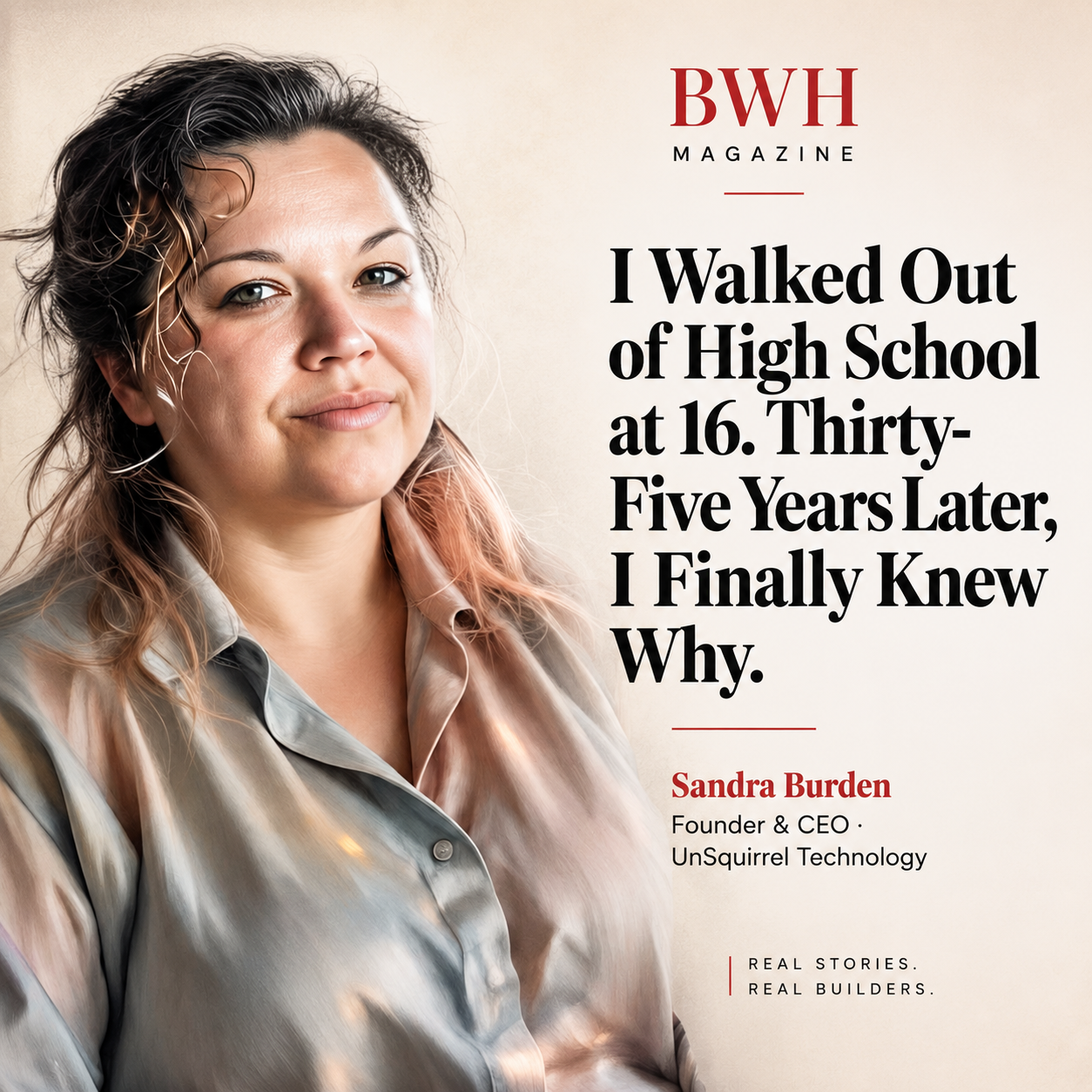
I Walked Out of High School at 16. Thirty-Five Years Later, I Finally Knew Why.
By Sandra Burden - Leadership
"The System Was Always There. I Just Had to Stay Long Enough to See It."
By Sai Aparna Mopuru - Leadership
I Thought I Knew What Inclusive Leadership Looked Like. Then I Started Listening.
By Caryn Masters - Cybersecurity
Where MLSecOps Meets MCP: Securing the Next Layer of Agentic AI
By KOPAL DIXIT - AI
Your Grief Has a Price Tag and Tech Companies Are Charging It
By Stella Ojiuba
- AI
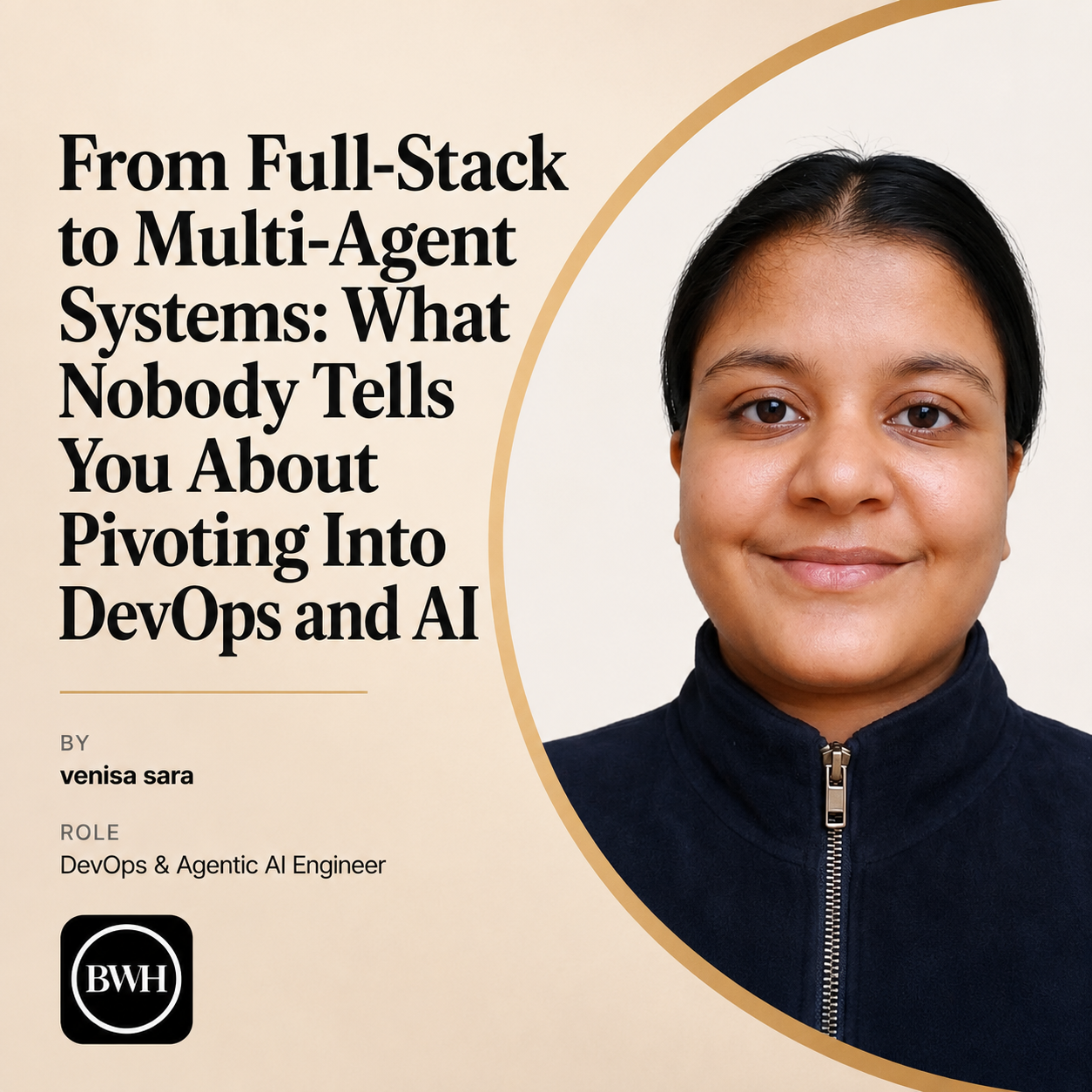
From Full-Stack to Multi-Agent Systems: What Nobody Tells You About Pivoting Into DevOps and AI
By venisa sara·July 26, 2026·7 min·Contributor - AI
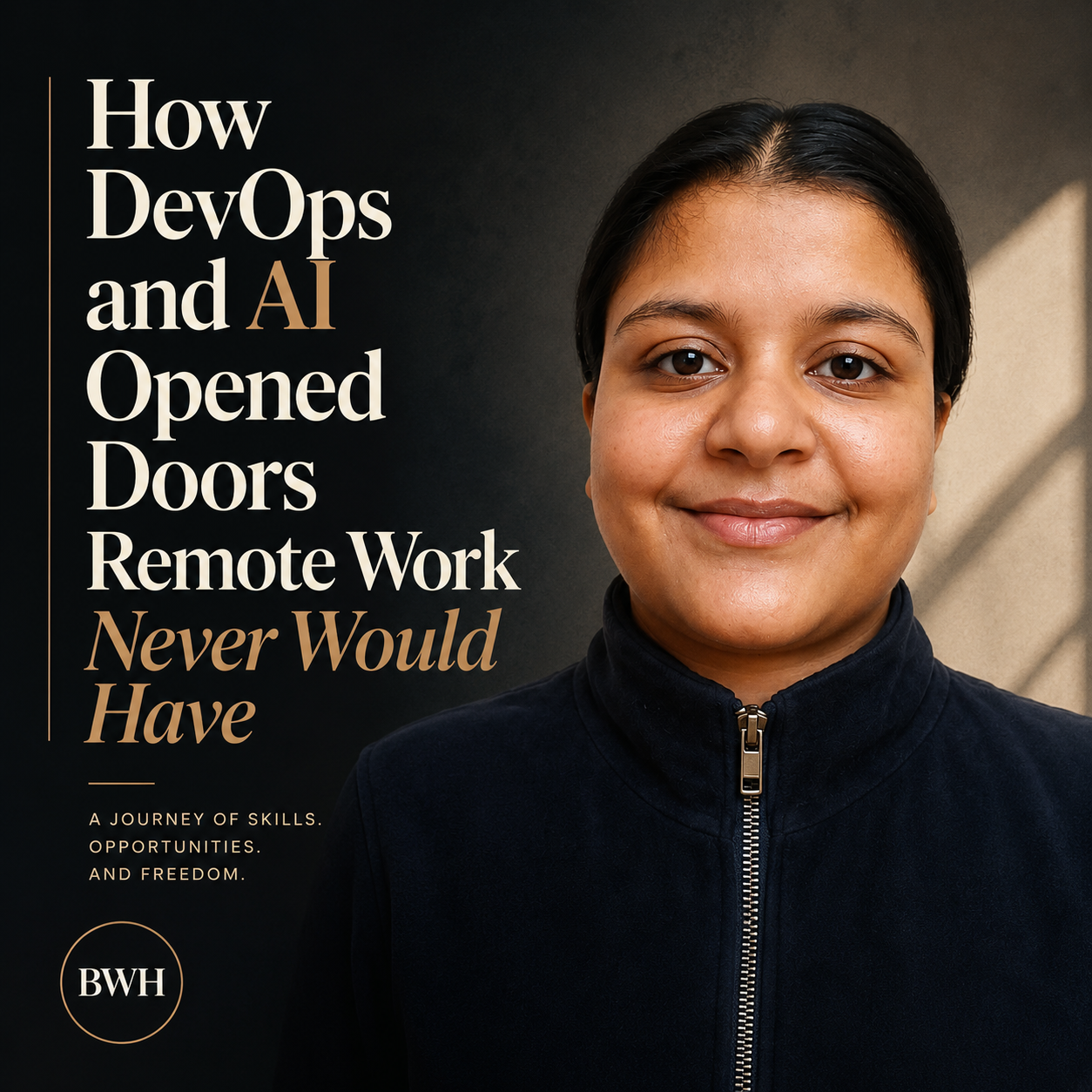
How DevOps and AI Opened Doors Remote Work Never Would Have
By venisa sara·July 26, 2026·6 min·Contributor - AI
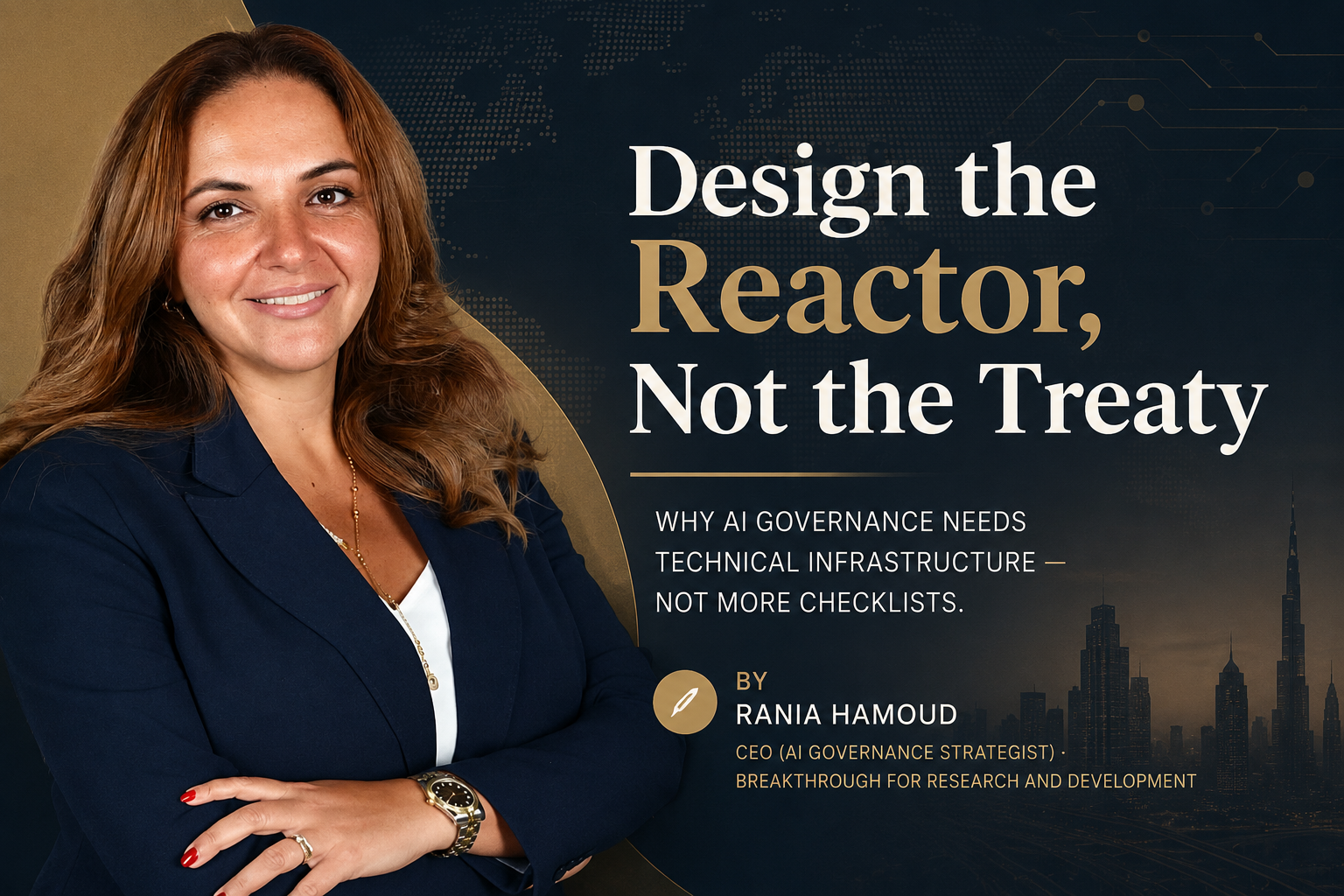
Design the Reactor , Not the Treaty
By Rania HAMOUD·July 27, 2026·6 min·Contributor - AI
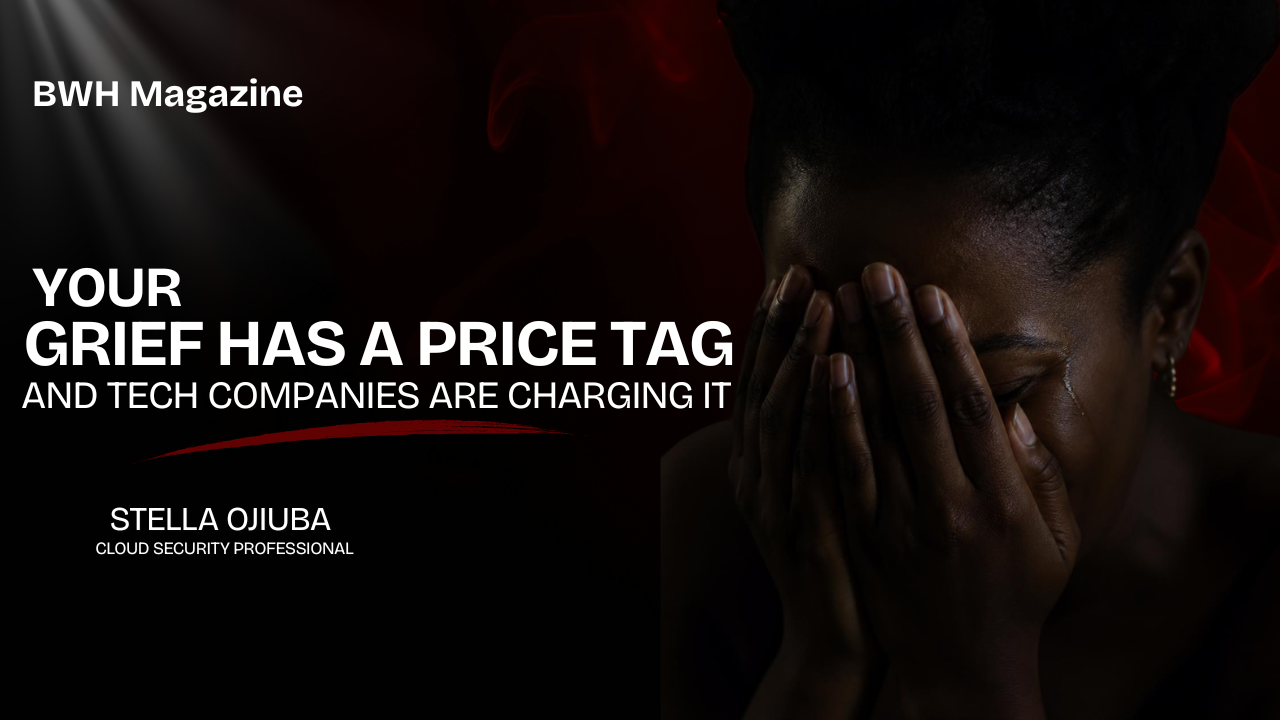
Your Grief Has a Price Tag and Tech Companies Are Charging It
By Stella Ojiuba·July 27, 2026·8 min·Contributor - AI
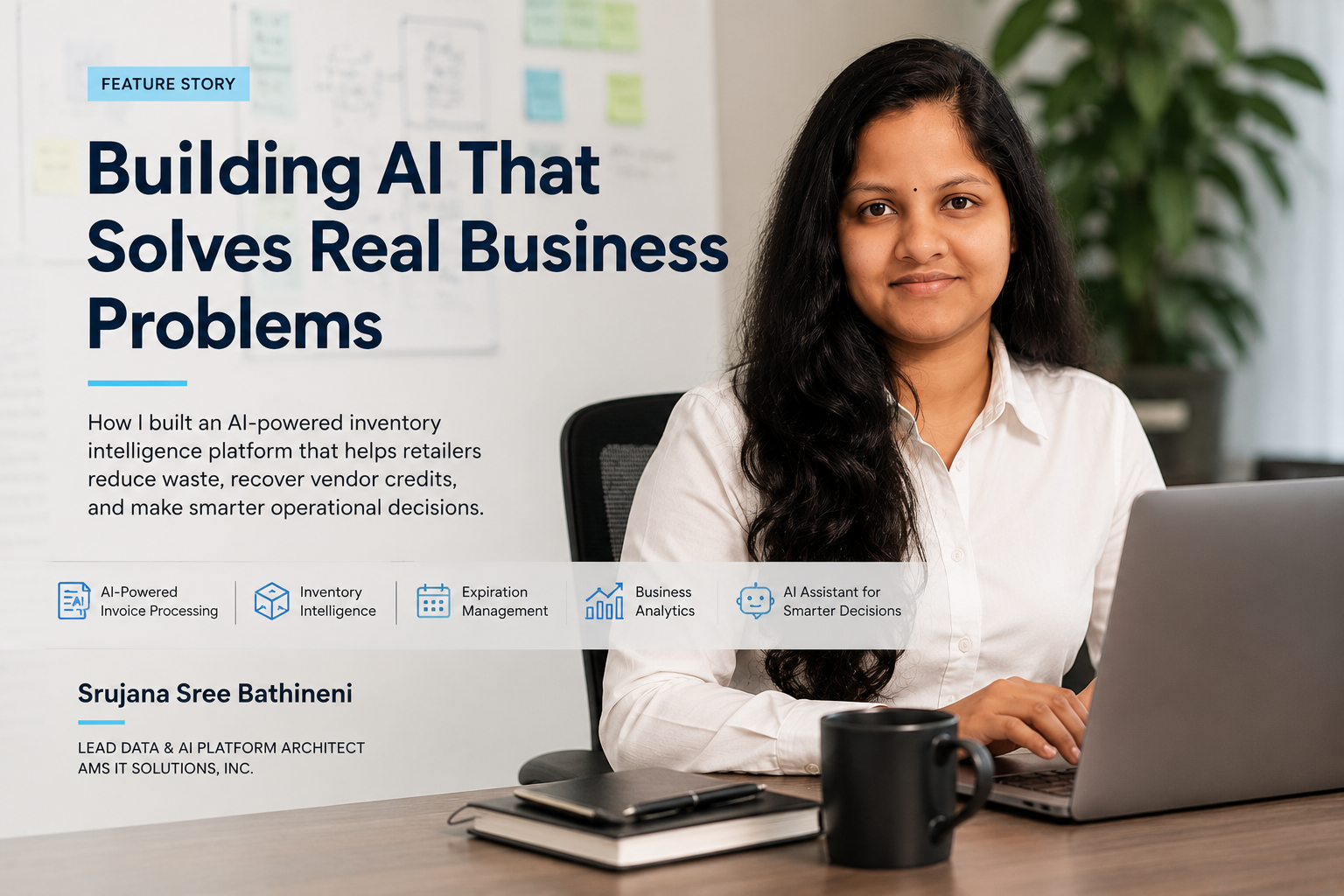
I Didn't Set Out to Build an AI Platform—I Set Out to Solve a Retail Problem
By Srujana Sree Bathineni·July 29, 2026·8 min·Contributor - AI
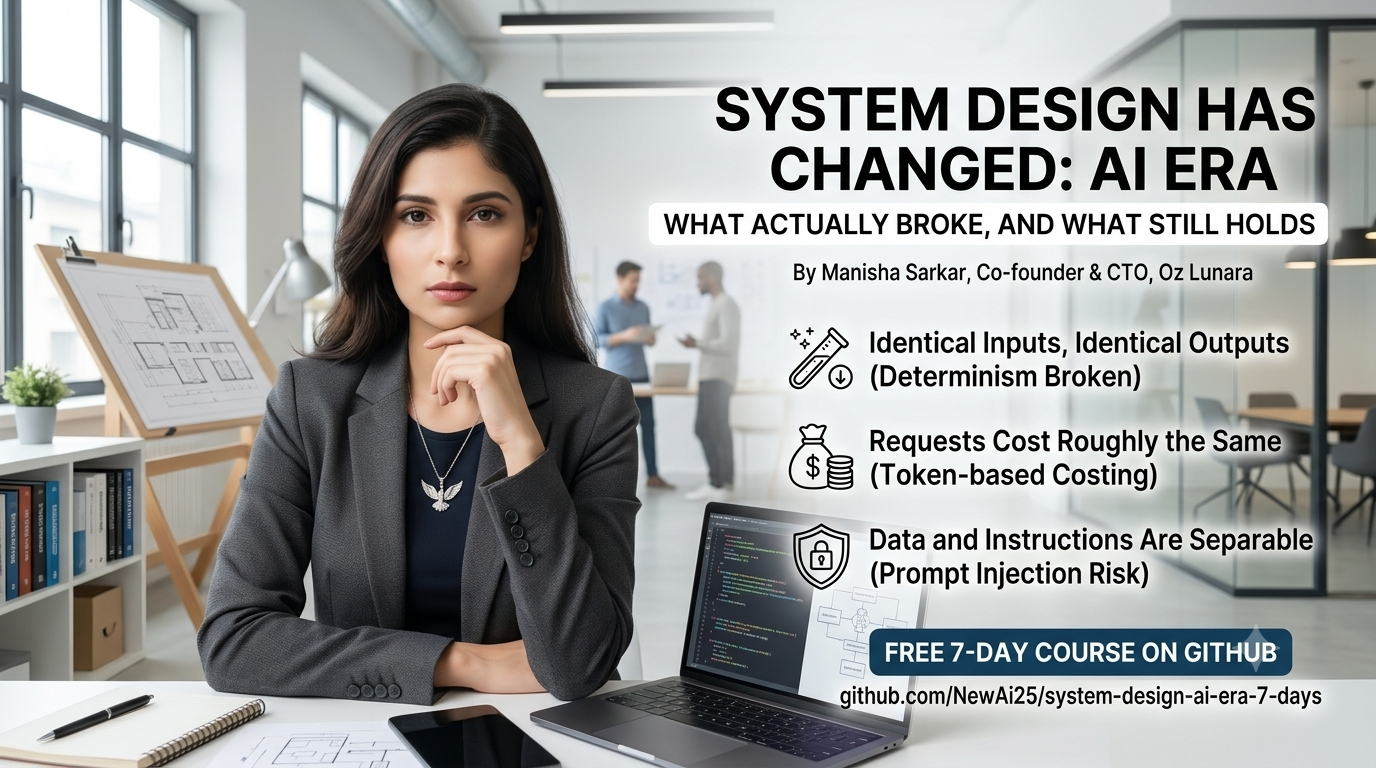
System Design Has Changed: What Actually Broke, and What Still Holds
By Manisha Sarkar·July 30, 2026·7 min·Contributor

- Cybersecurity
Before My First Certificate, I Chose to Learn
By Rohini Chaudhari·July 19, 2026·2 min·Contributor - Cybersecurity
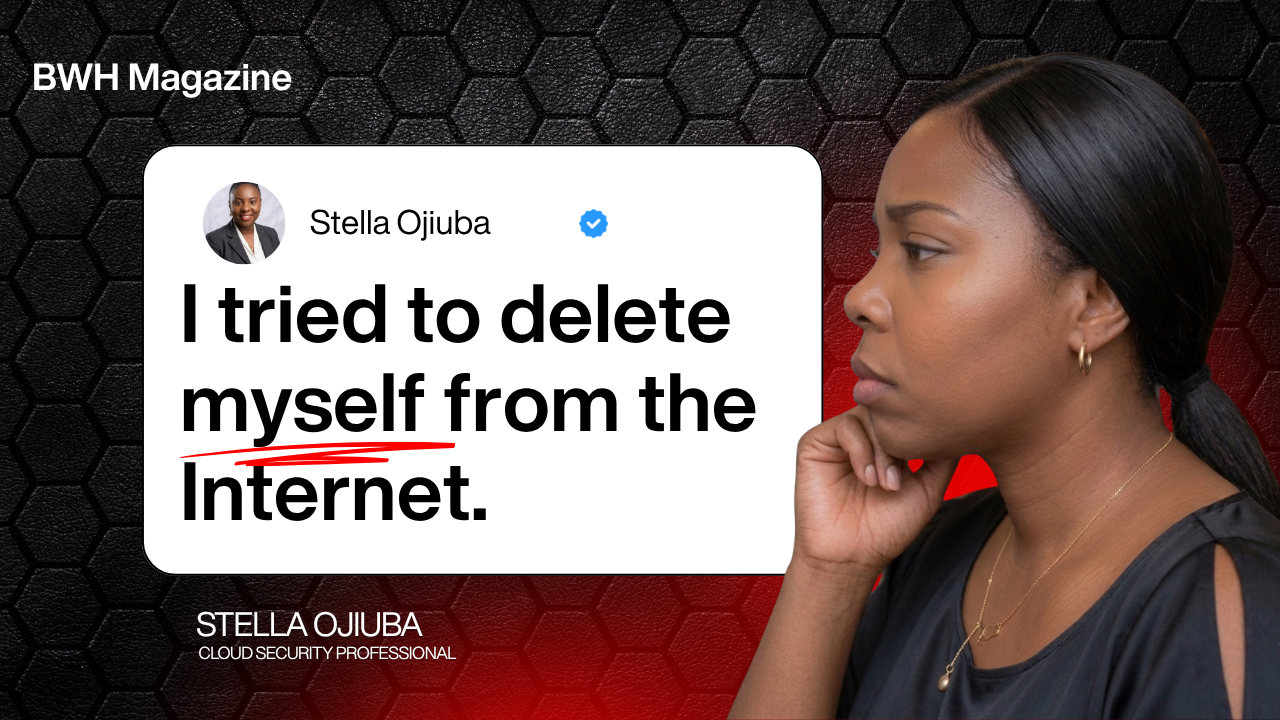
I Tried to Delete Myself From the Internet
By Stella Ojiuba·July 28, 2026·8 min·Contributor - Cybersecurity
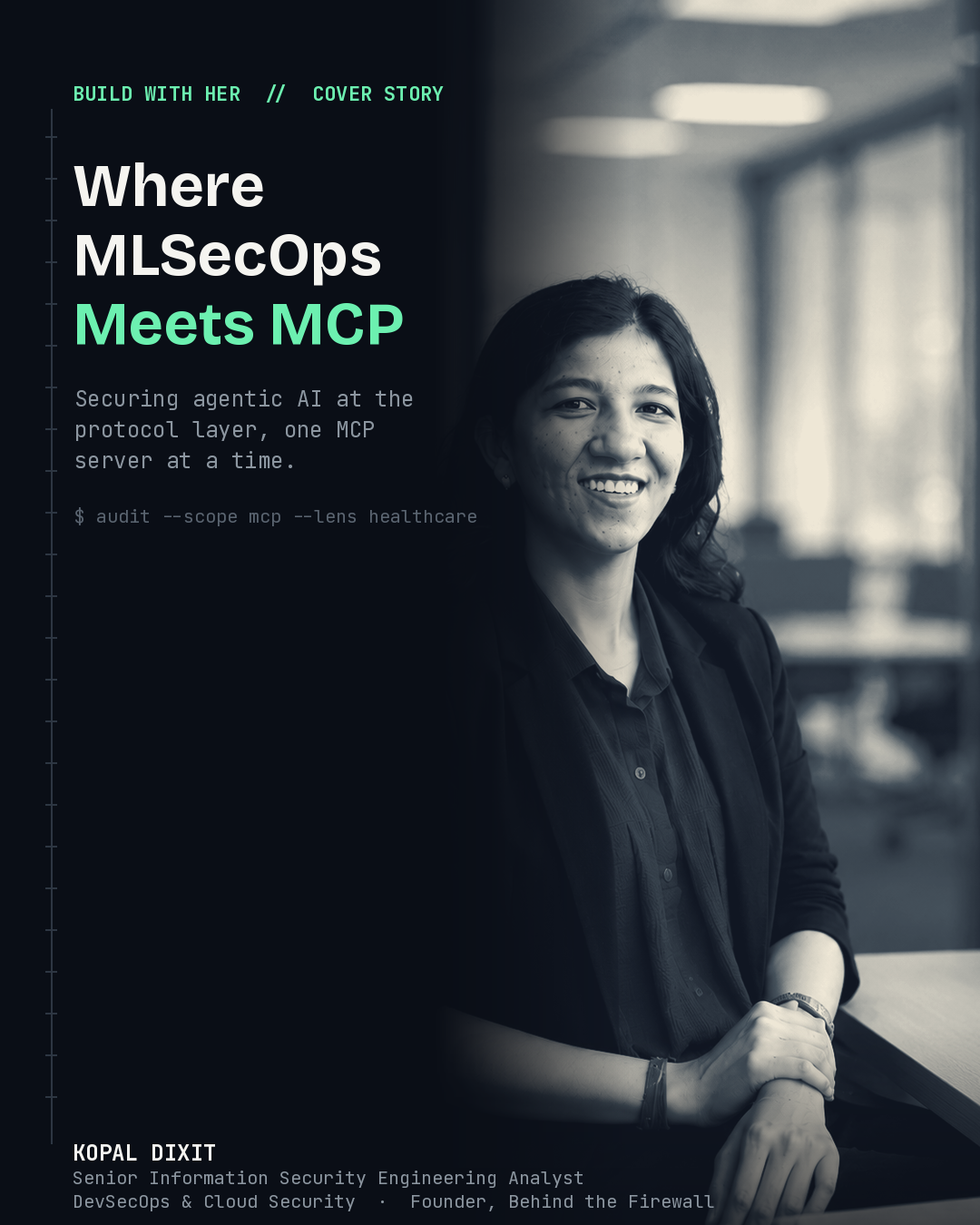
Where MLSecOps Meets MCP: Securing the Next Layer of Agentic AI
By KOPAL DIXIT·July 30, 2026·8 min·Contributor

- Leadership
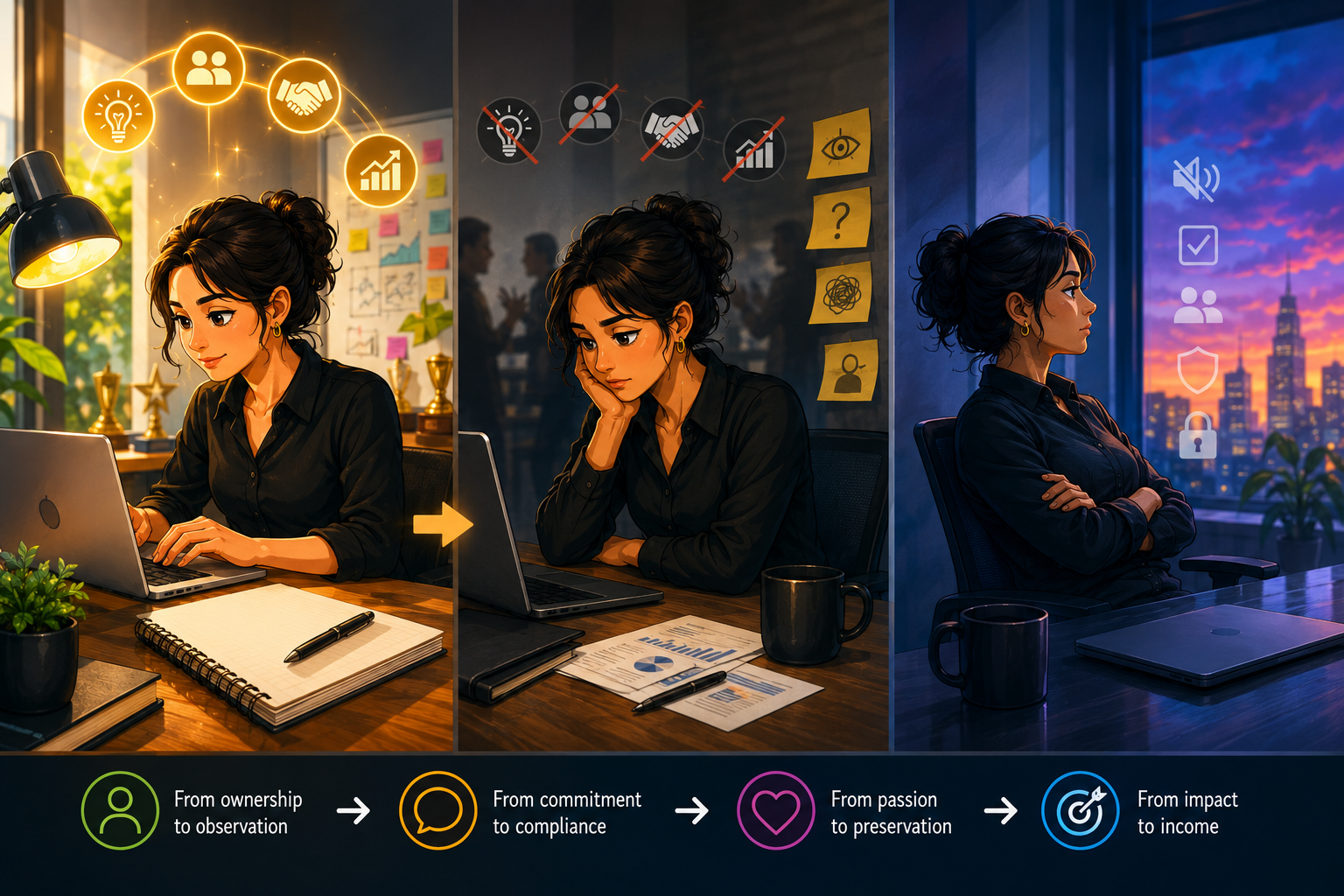
The Day an Expert Mentally Resigns
By Roopashree Ishwar Konnur·July 18, 2026·6 min·Contributor - Leadership
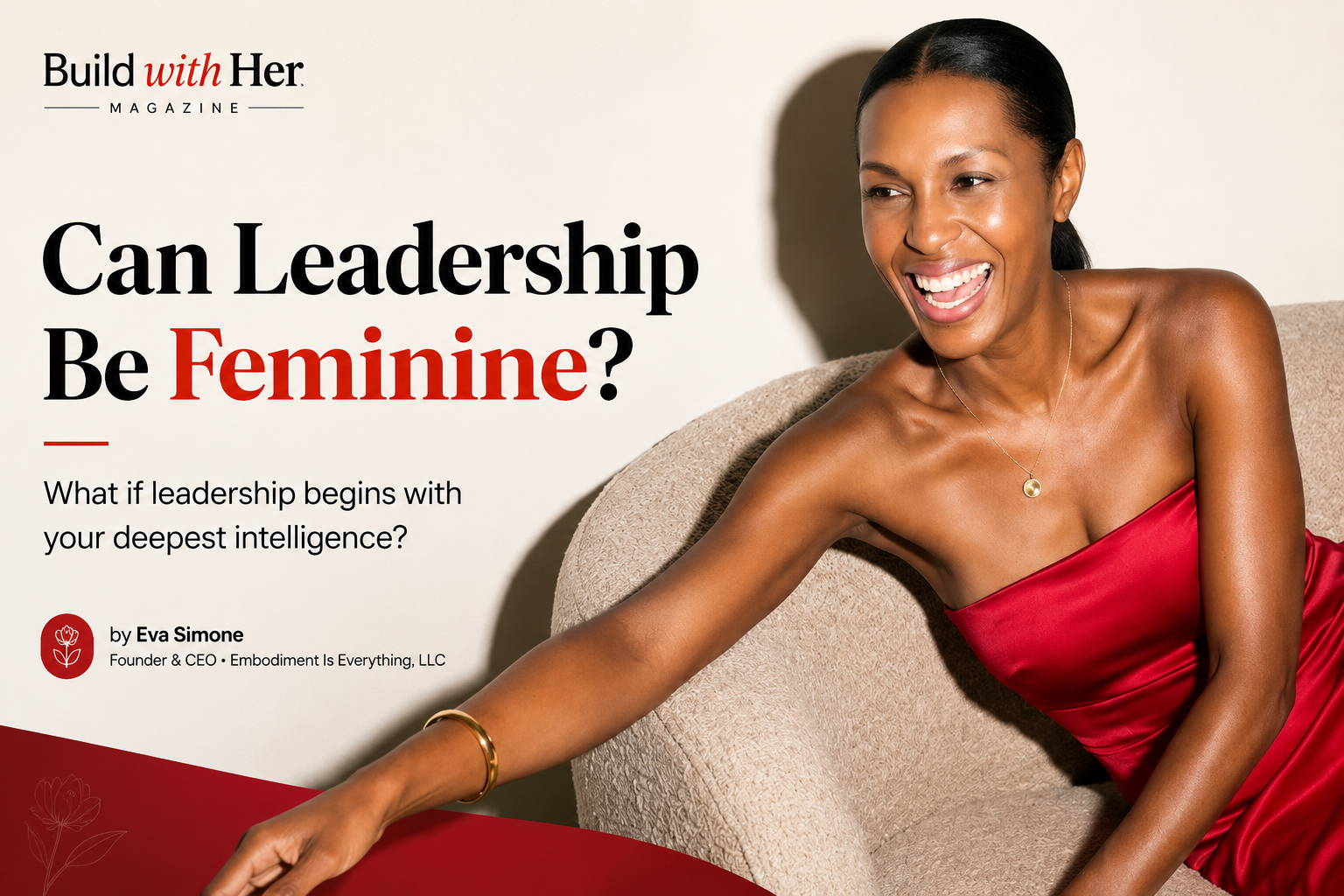
Can Leadership Be Feminine?
By Eva Simone·July 19, 2026·3 min·Contributor - Leadership
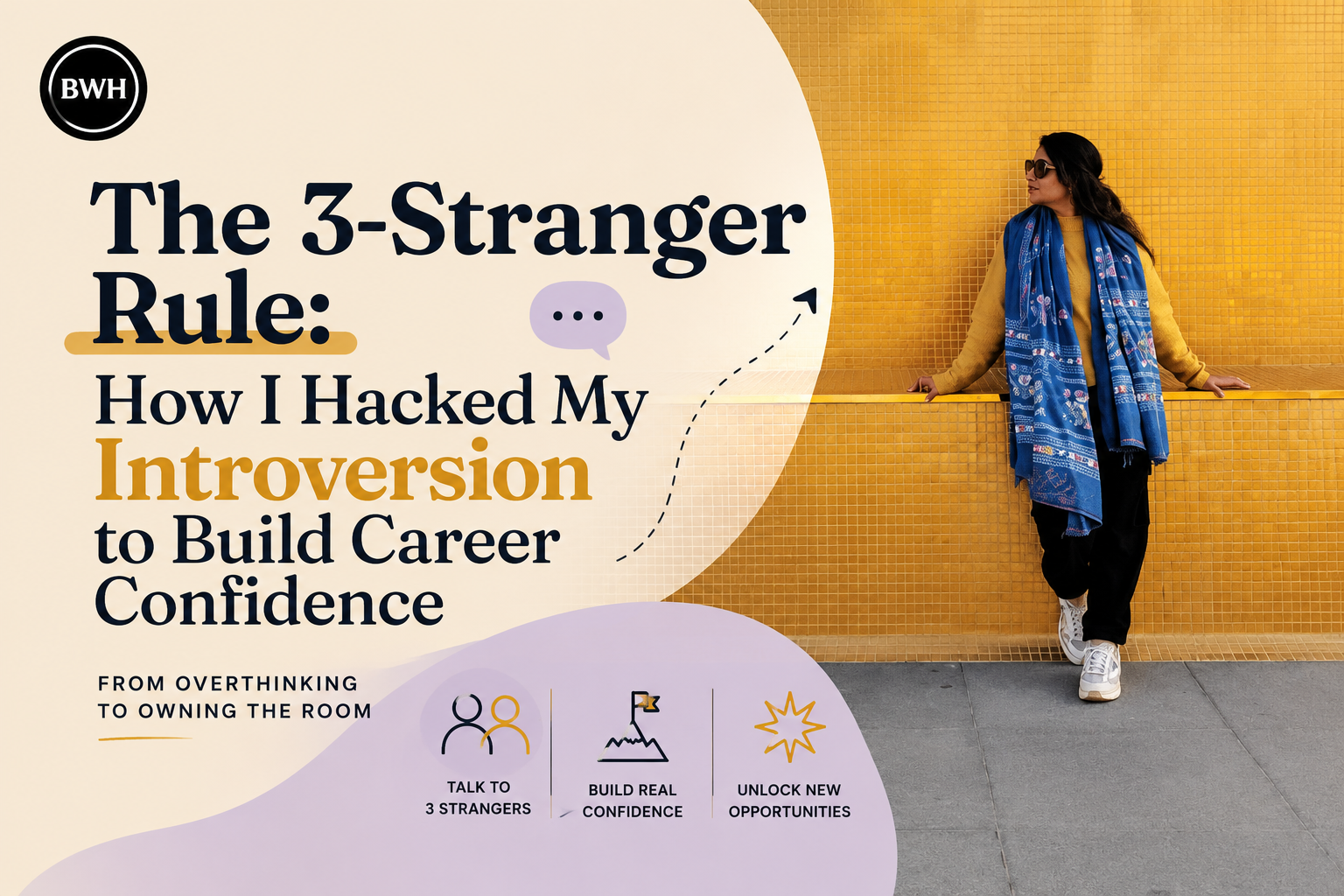
The 3-Stranger Rule: How I Hacked My Introversion to Build Career Confidence
By Bansi Patel·July 20, 2026·4 min·Contributor - Leadership
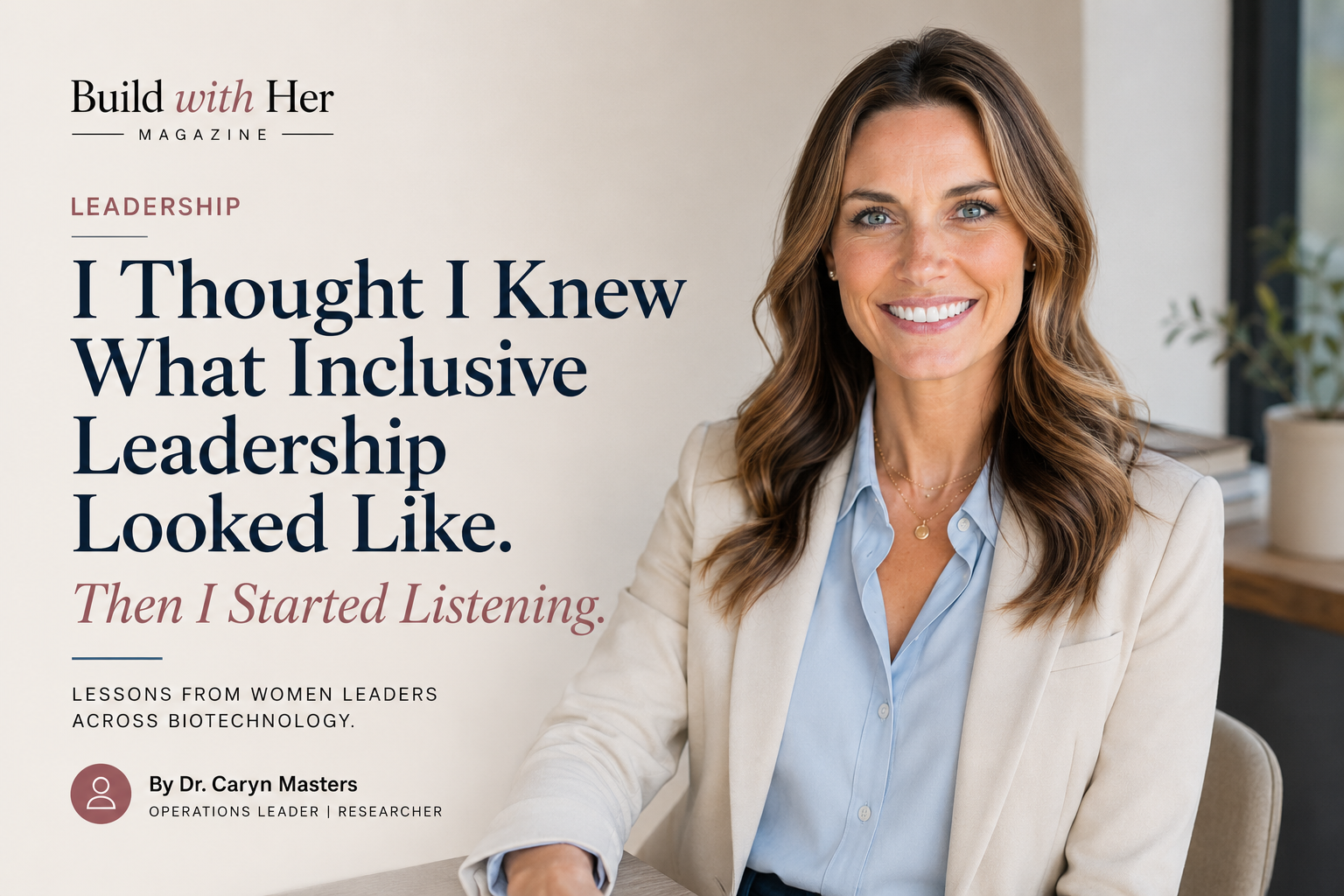
I Thought I Knew What Inclusive Leadership Looked Like. Then I Started Listening.
By Caryn Masters·July 20, 2026·6 min·Contributor - Leadership
"The System Was Always There. I Just Had to Stay Long Enough to See It."
By Sai Aparna Mopuru·July 21, 2026·4 min·Contributor - Leadership
A New Perspective on Leadership Burnout, Sustainable Success, and Women's Executive Capacity
By Eva Simone·July 27, 2026·2 min·Contributor
- Career Journey
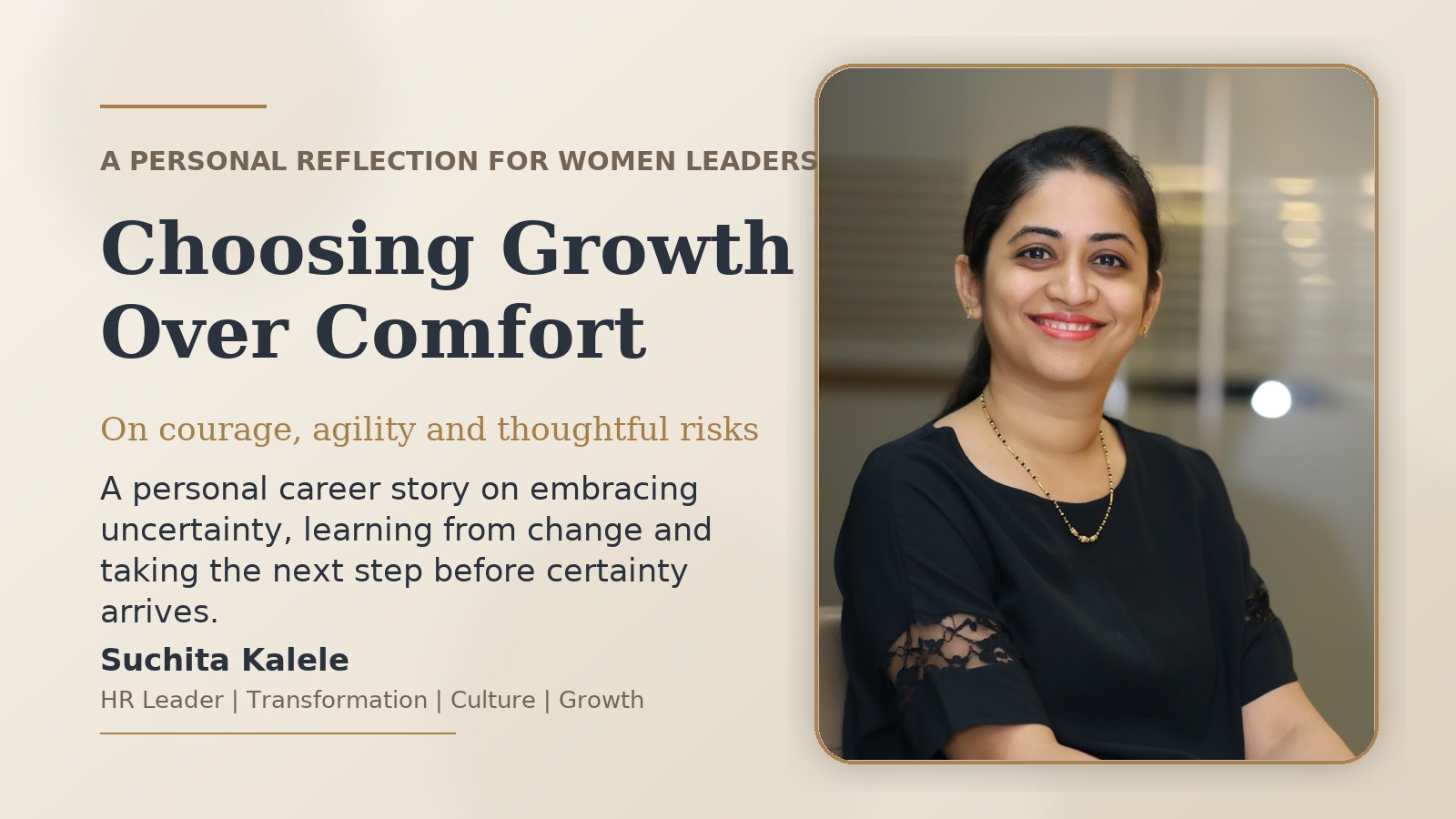
Growth Begins Where Certainty Ends
By Suchita Kalele·July 17, 2026·8 min·Contributor - Career Journey
Before I Led Communities, They Built Me
By Divine Obido·July 18, 2026·8 min·Contributor - Career Journey
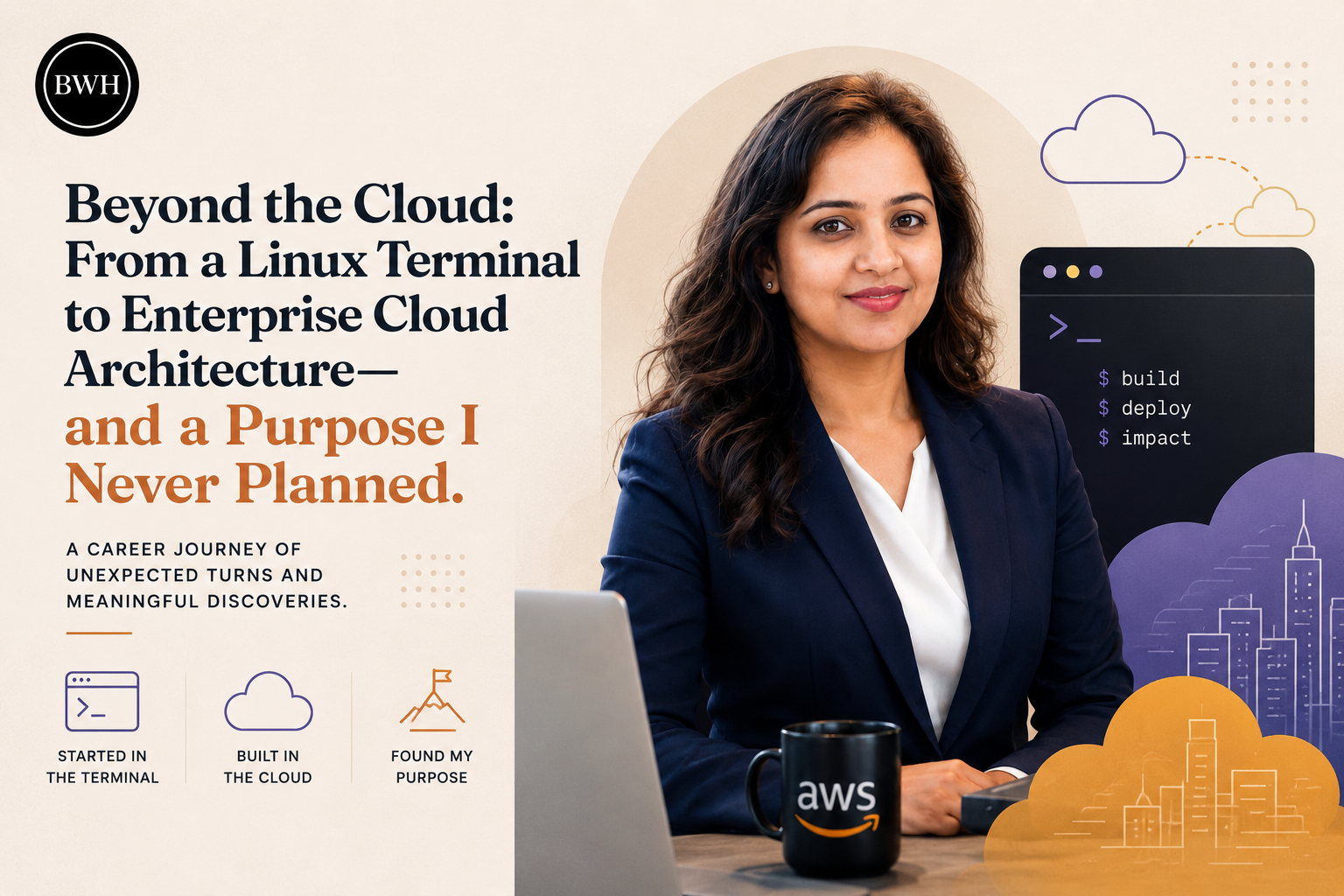
Beyond the Cloud ,From a Linux Terminal to Enterprise Cloud Architecture — and Finding Purpose Along the Way.
By Pooja Daga·July 20, 2026·10 min·Contributor - Career Journey
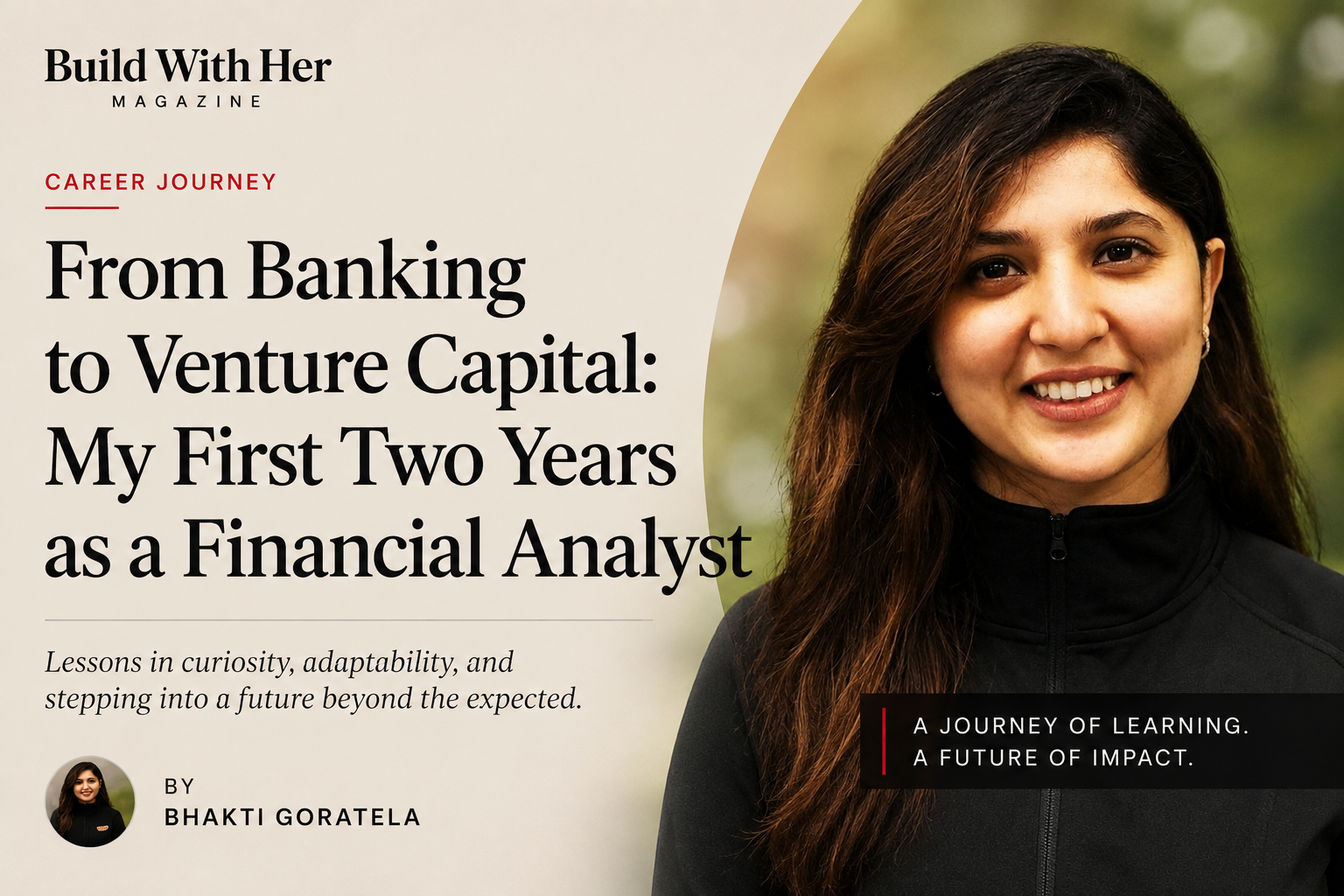
From Banking to Venture Capital: My First Two Years as a Financial Analyst
By Bhakti Goratela·July 20, 2026·3 min·Contributor - Career Journey
Before the Opportunity Came, I Kept Showing Up
By Daniella Abu·July 21, 2026·6 min·Contributor - Career Journey
From Admin to Tech: How I'm Building a Remote Career One Skill at a Time
By Olasunkanmi Zainab Okunlola ·July 21, 2026·5 min·Contributor - Career Journey
Nobody Told Me Starting Over Would Feel This Lonely and This Good
By Stella Ojiuba·July 21, 2026·8 min·Contributor - Career Journey
LinkedIn Is Not a Dating App: Why Professional Boundaries Matter
By Lilly Yeomans ·July 21, 2026·6 min·Contributor - Career Journey
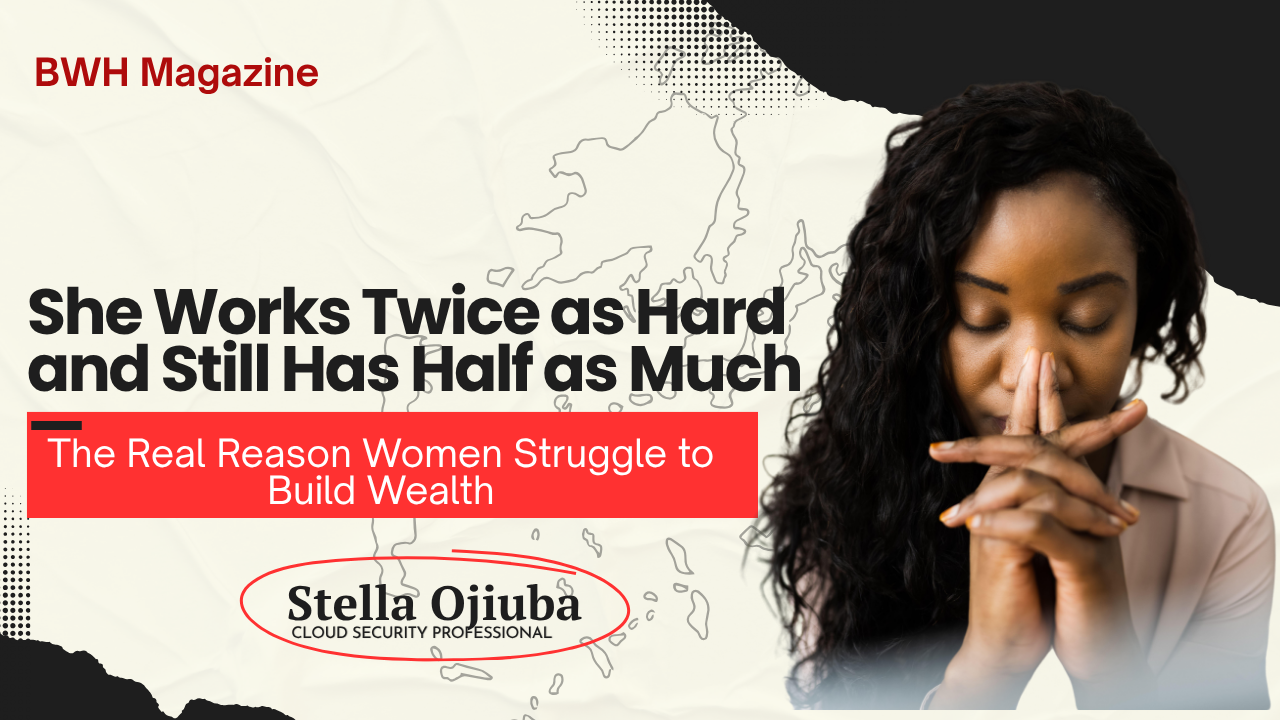
She Works Twice as Hard and Still Has Half as Much — The Real Reason Women Struggle to Build Wealth
By Stella Ojiuba·July 21, 2026·8 min·Contributor - Career Journey
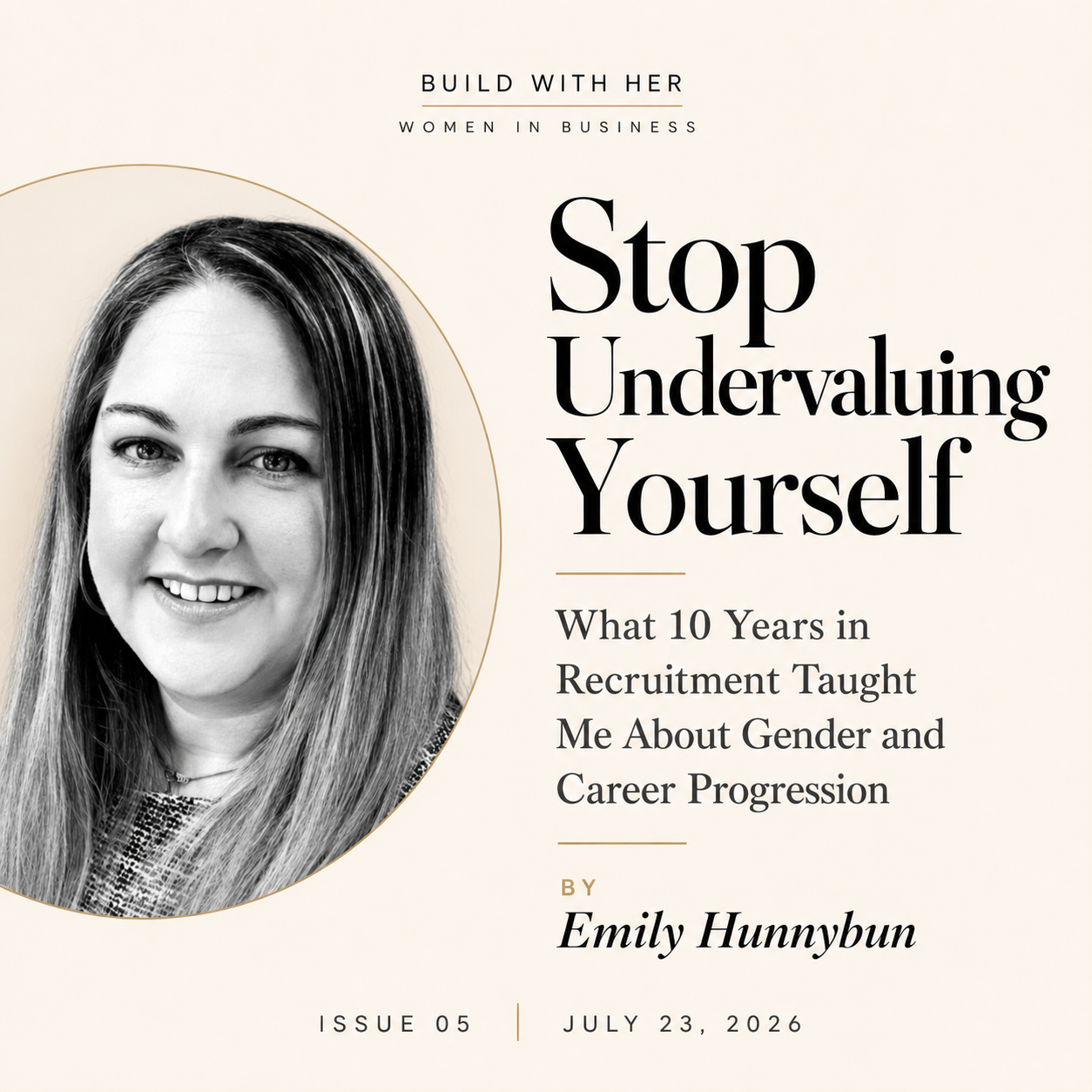
Stop Undervaluing Yourself: What 10 Years in Recruitment Has Taught Me About Gender and Career Progression
By Emily Hunnybun·July 23, 2026·6 min·Contributor - Career Journey
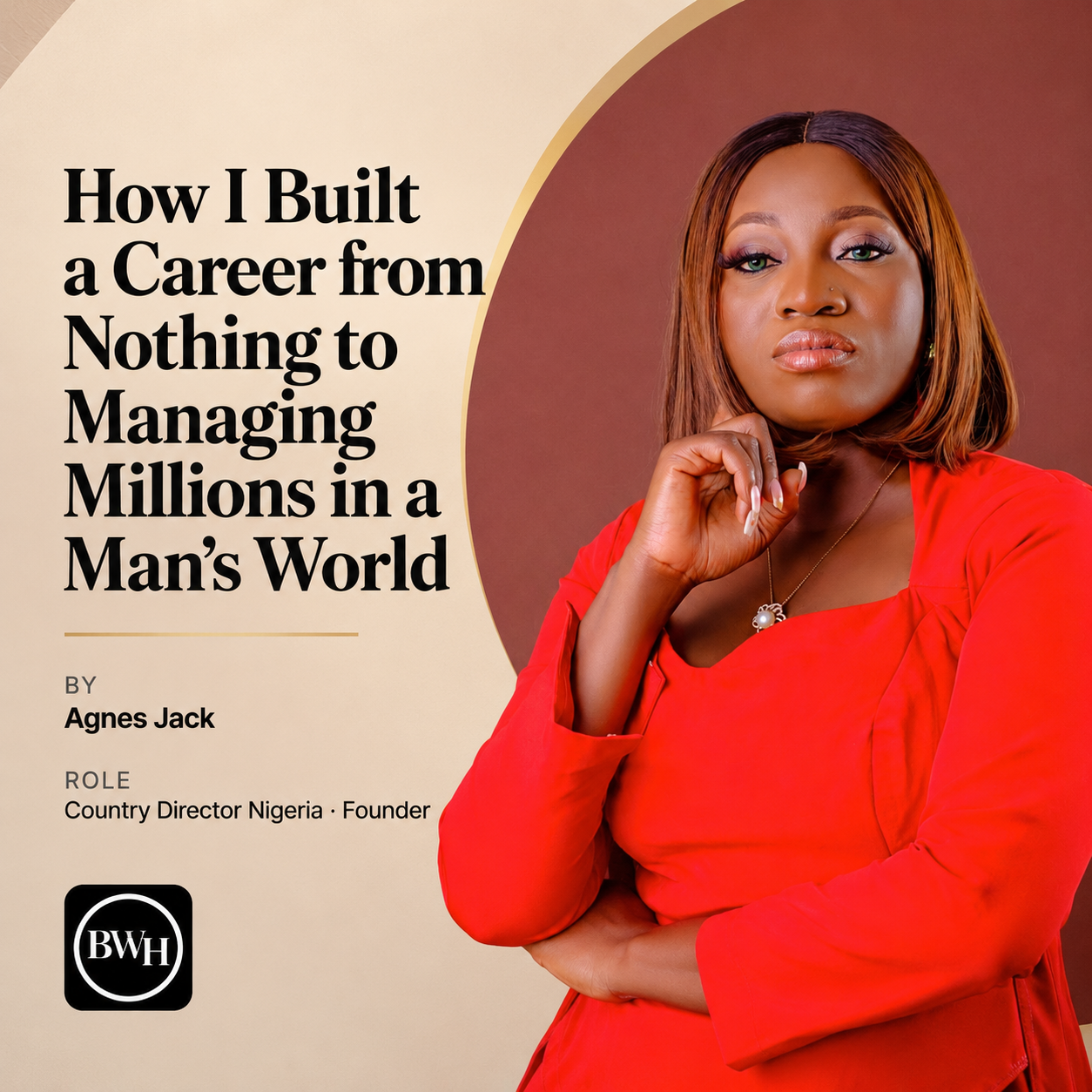
How I Built a Career from Nothing to Managing Millions in a Man’s World
By Agnes Jack·July 25, 2026·8 min·Contributor - Career Journey
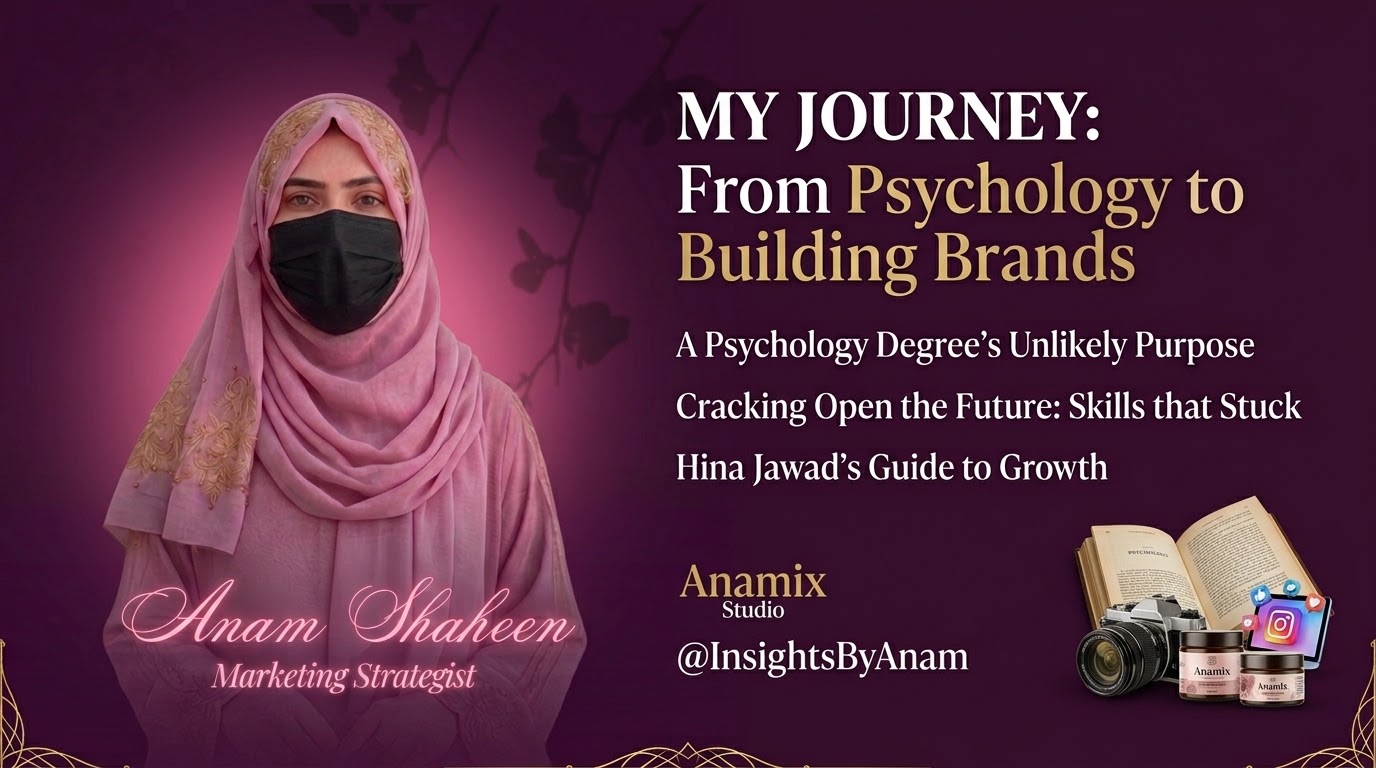
From Psychology Student to Personal Branding Expert: My Career Journey
By Anam Shaheen ·July 28, 2026·3 min·Contributor - Career Journey
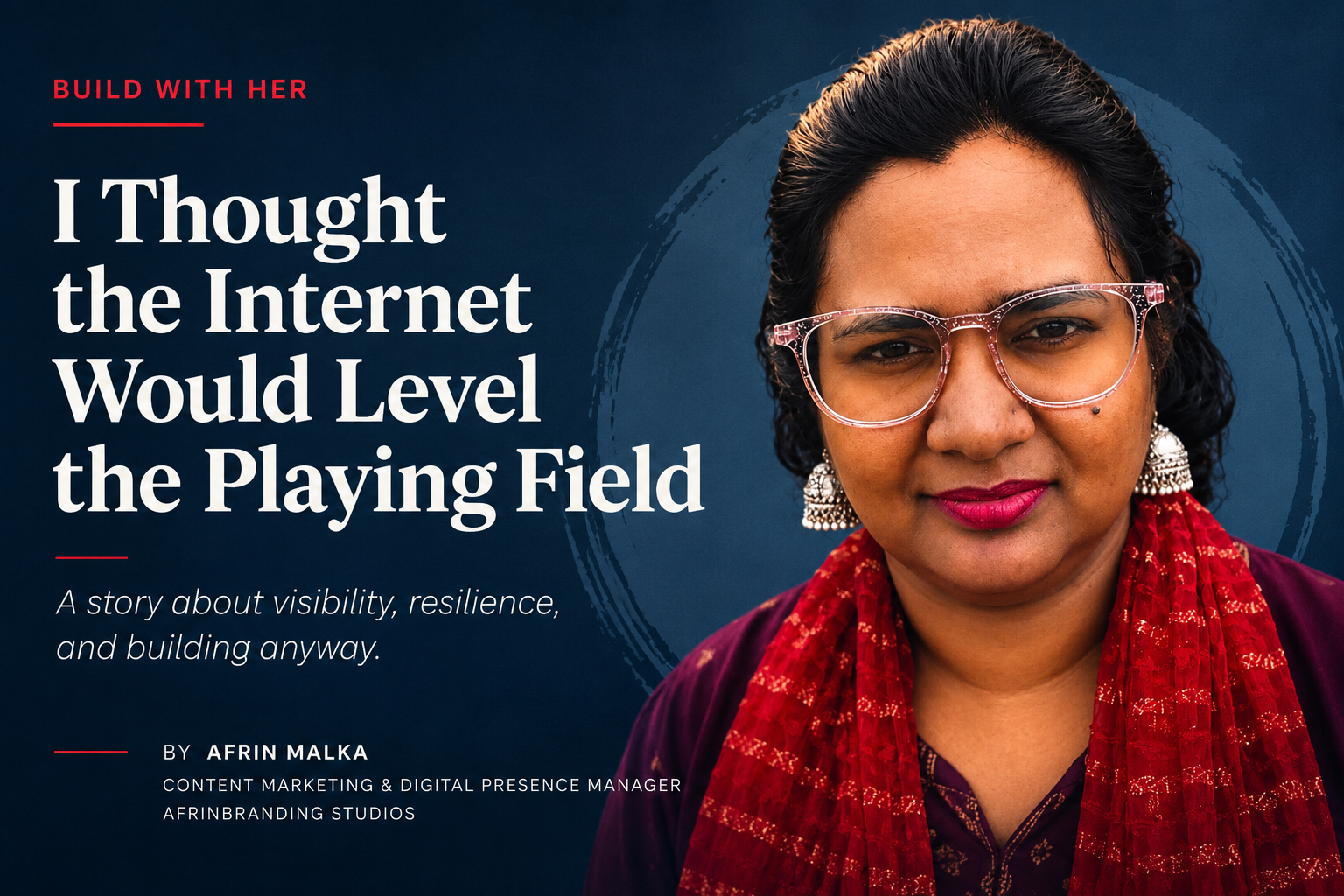
I Thought the Internet Would Level the Playing Field
By Afrin Malka·July 29, 2026·8 min·Contributor - Career Journey
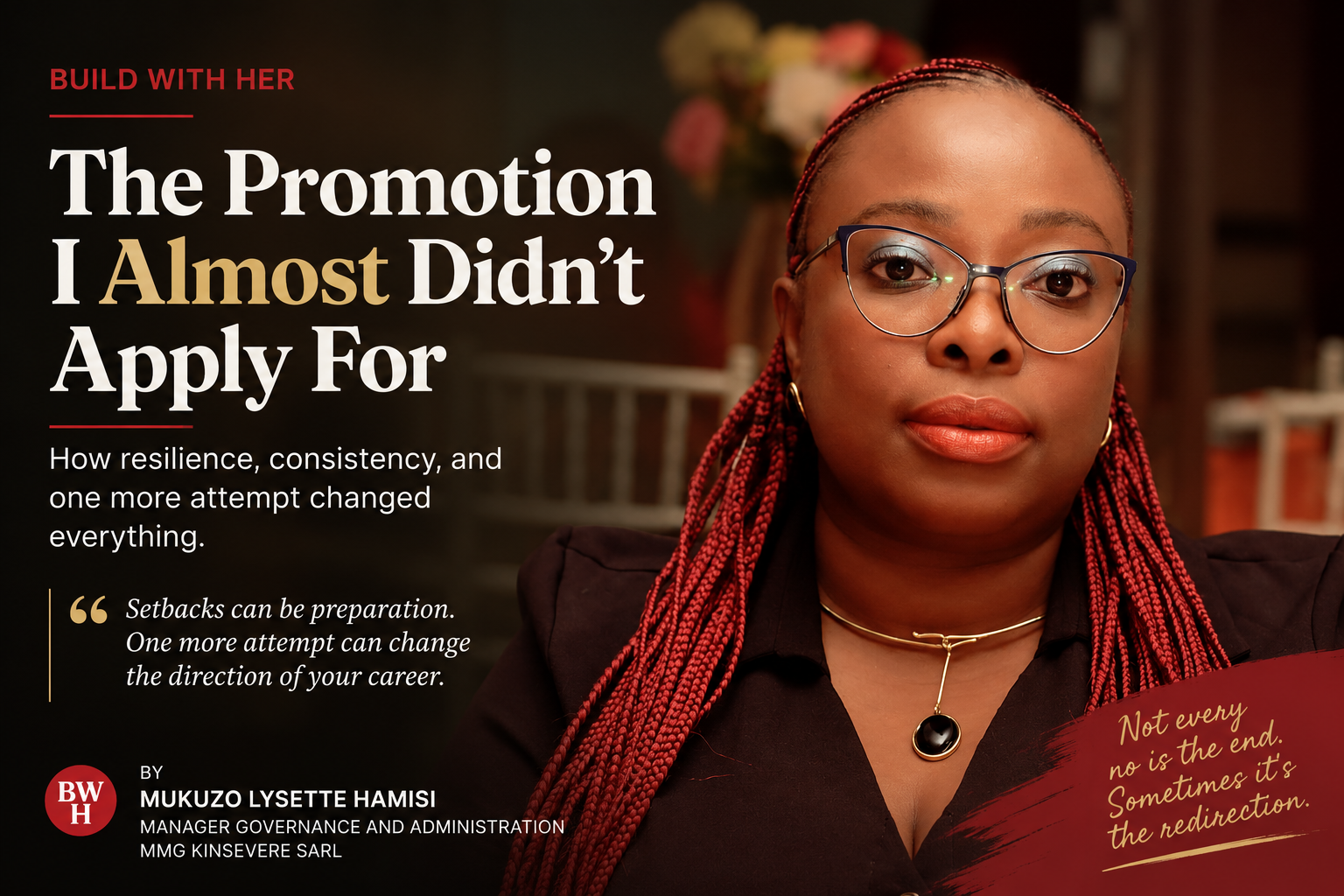
The Promotion I Almost Didn't Apply For
By Mukuzo Lysette Hamisi·July 30, 2026·7 min·Contributor - Career Journey
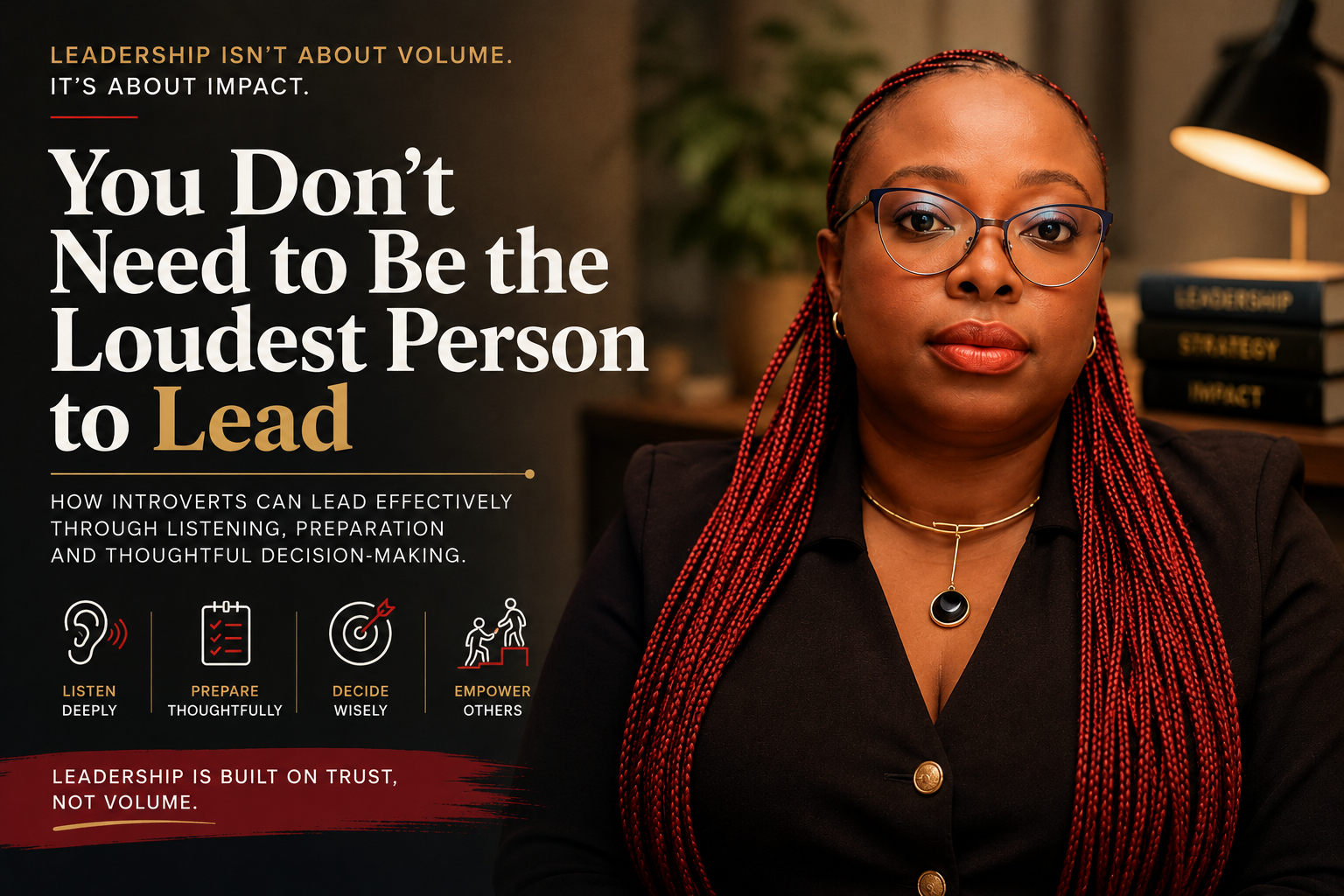
You Don't Need to Be the Loudest Person to Lead
By Mukuzo Lysette Hamisi·July 30, 2026·7 min·Contributor
- Founders & Entrepreneurship
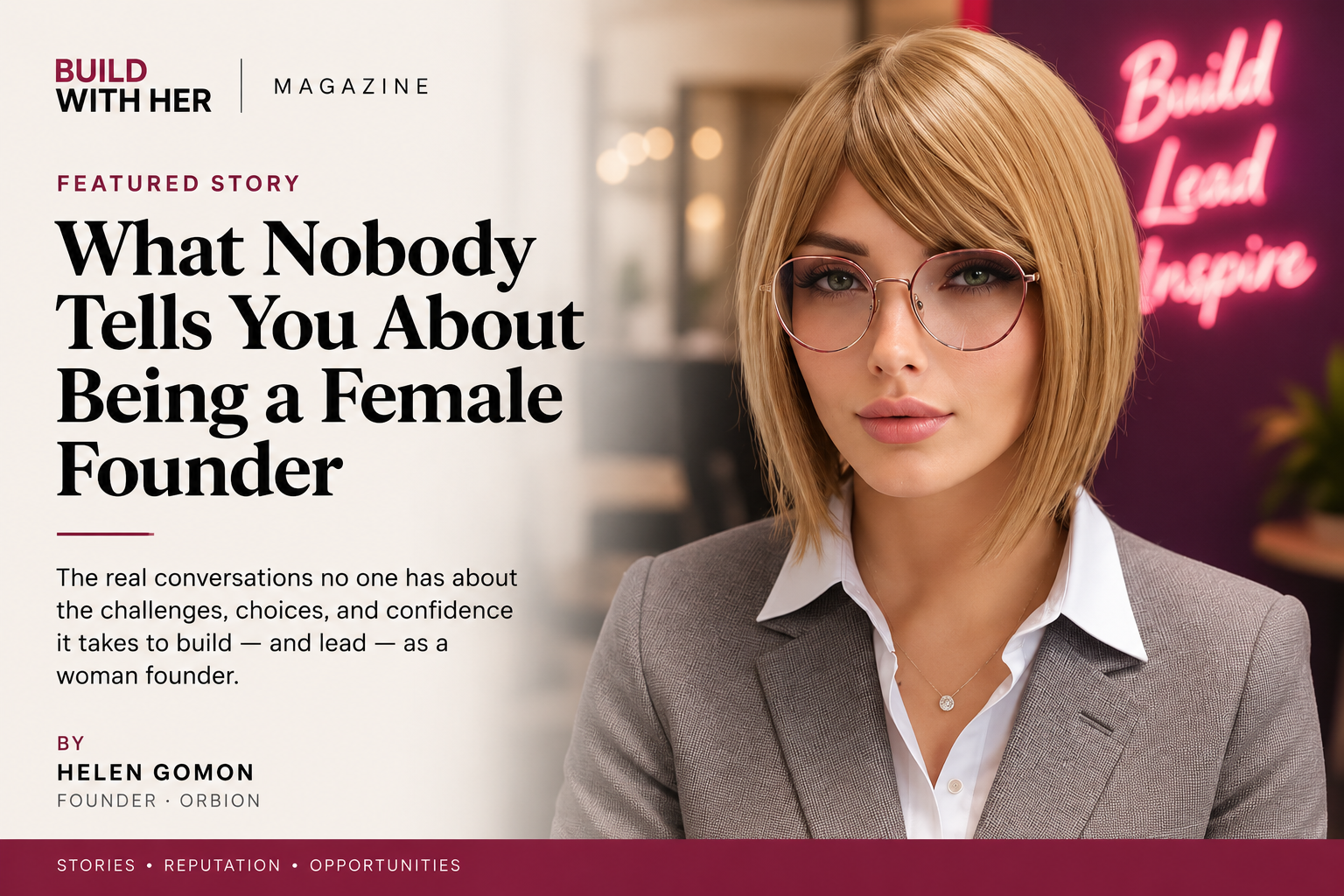
What Nobody Tells You About Being a Female Founder
By Helen Gomon·July 19, 2026·3 min·Contributor - Founders & Entrepreneurship
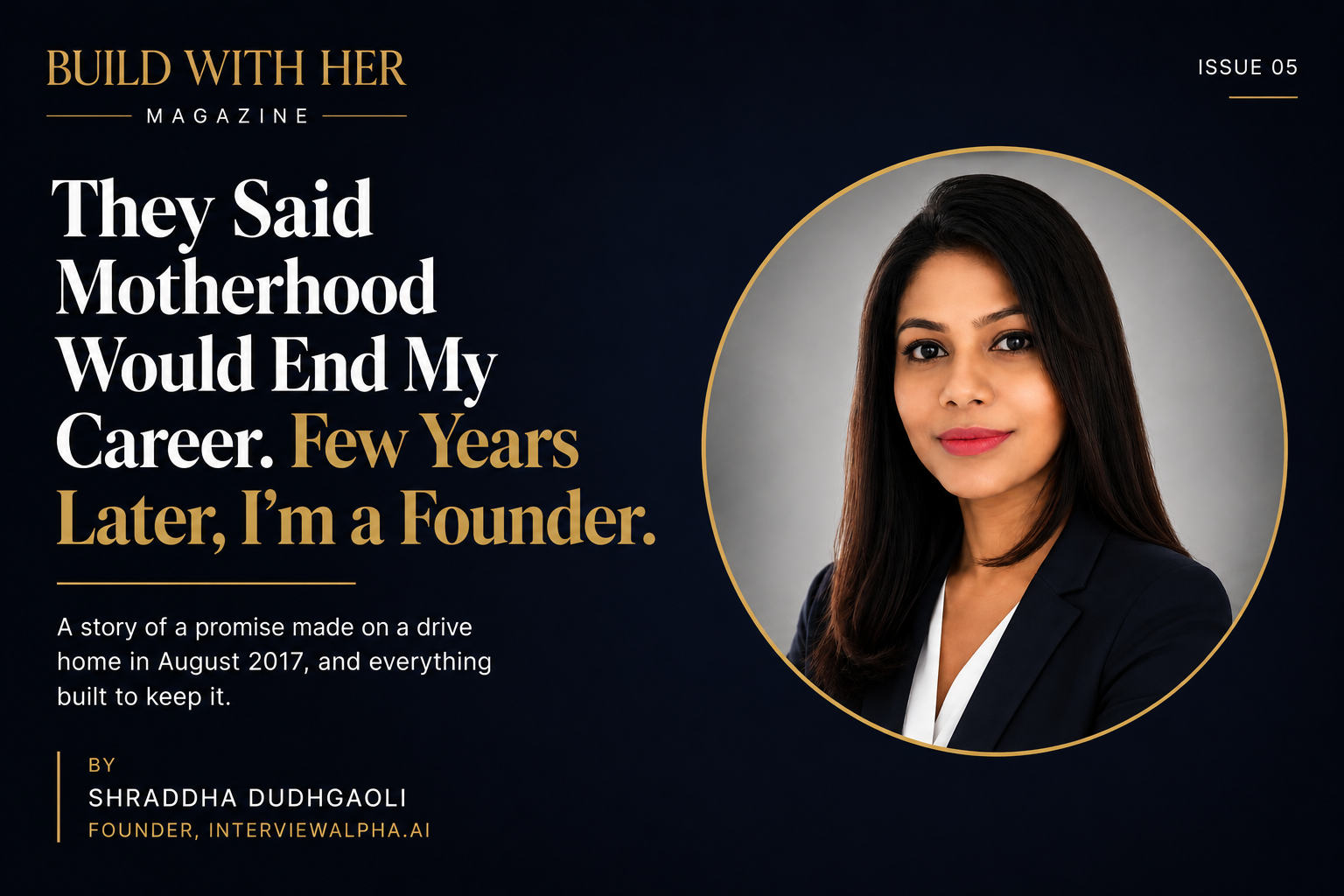
"They Said Motherhood Would End My Career. Few Years Later, I'm a Founder."
By Shraddha Dudhgaoli·July 27, 2026·3 min·Contributor - Founders & Entrepreneurship
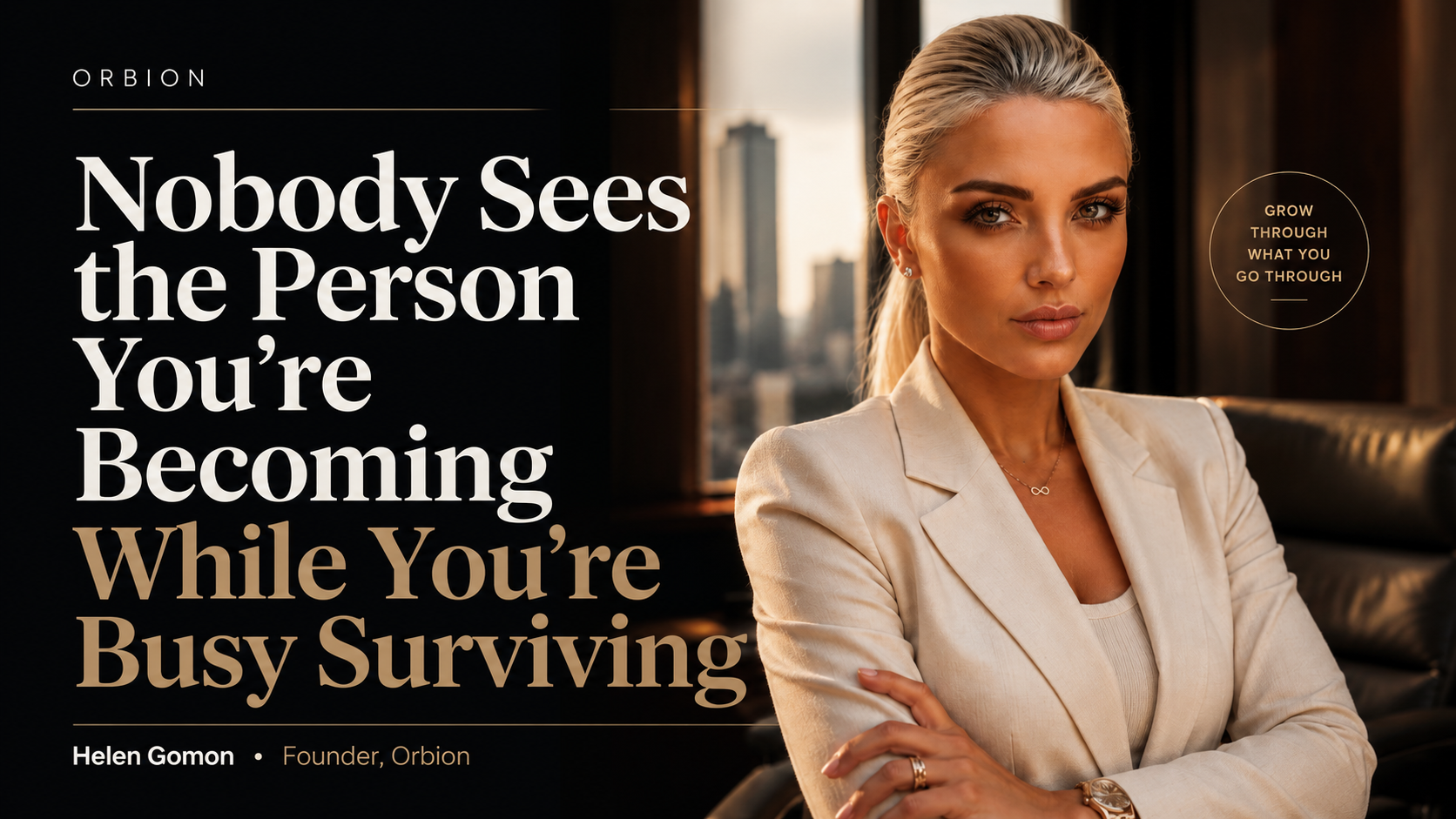
Nobody Sees the Person You're Becoming While You're Busy Surviving
By Helen Gomon·July 28, 2026·4 min·Contributor - Founders & Entrepreneurship
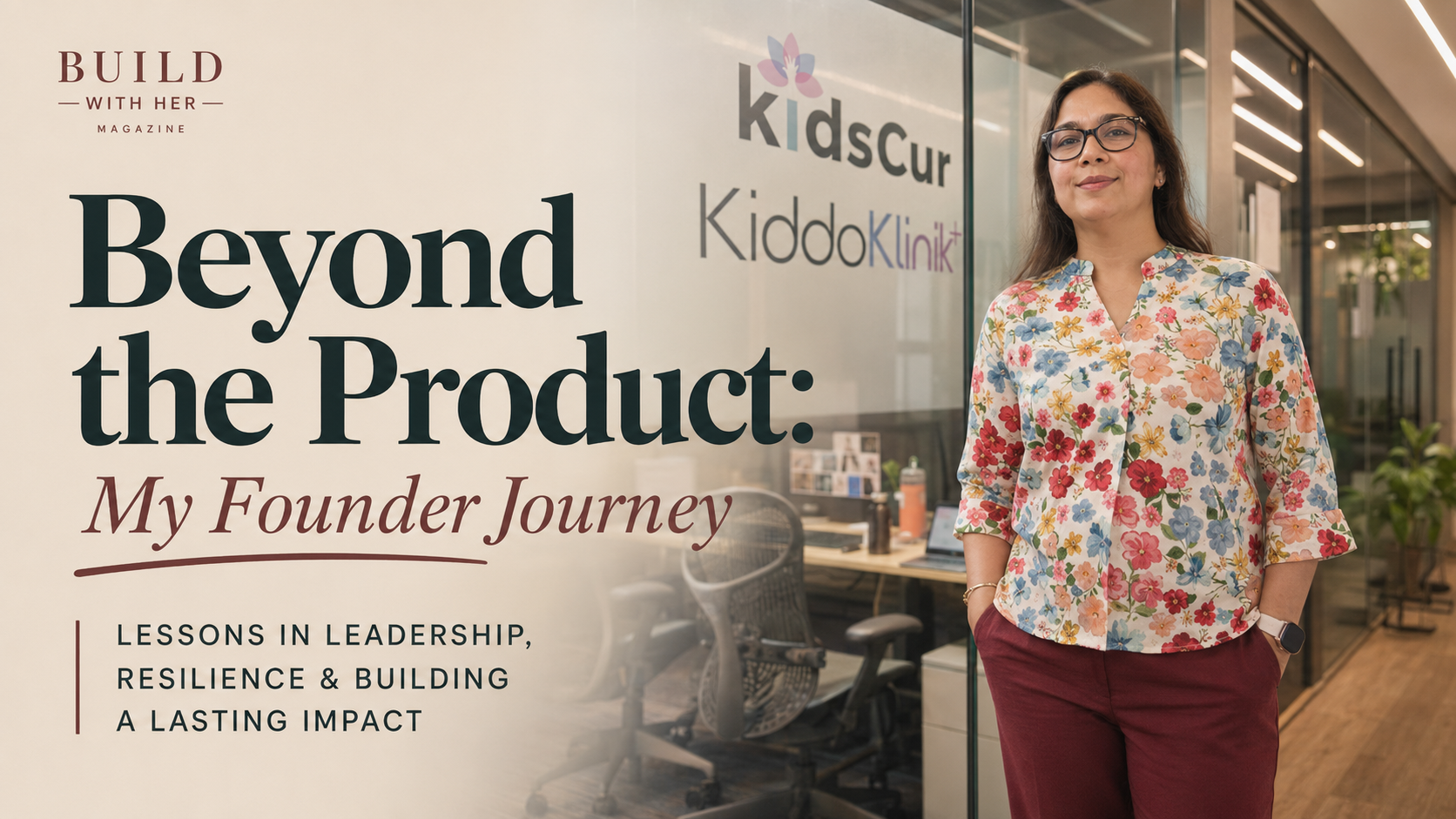
Beyond the Product: My Founder Journey
By Nishita Thakur·July 28, 2026·4 min·Contributor - Founders & Entrepreneurship
I Walked Out of High School at 16. Thirty-Five Years Later, I Finally Knew Why.
By Sandra Burden·July 29, 2026·24 min·Contributor - Founders & Entrepreneurship
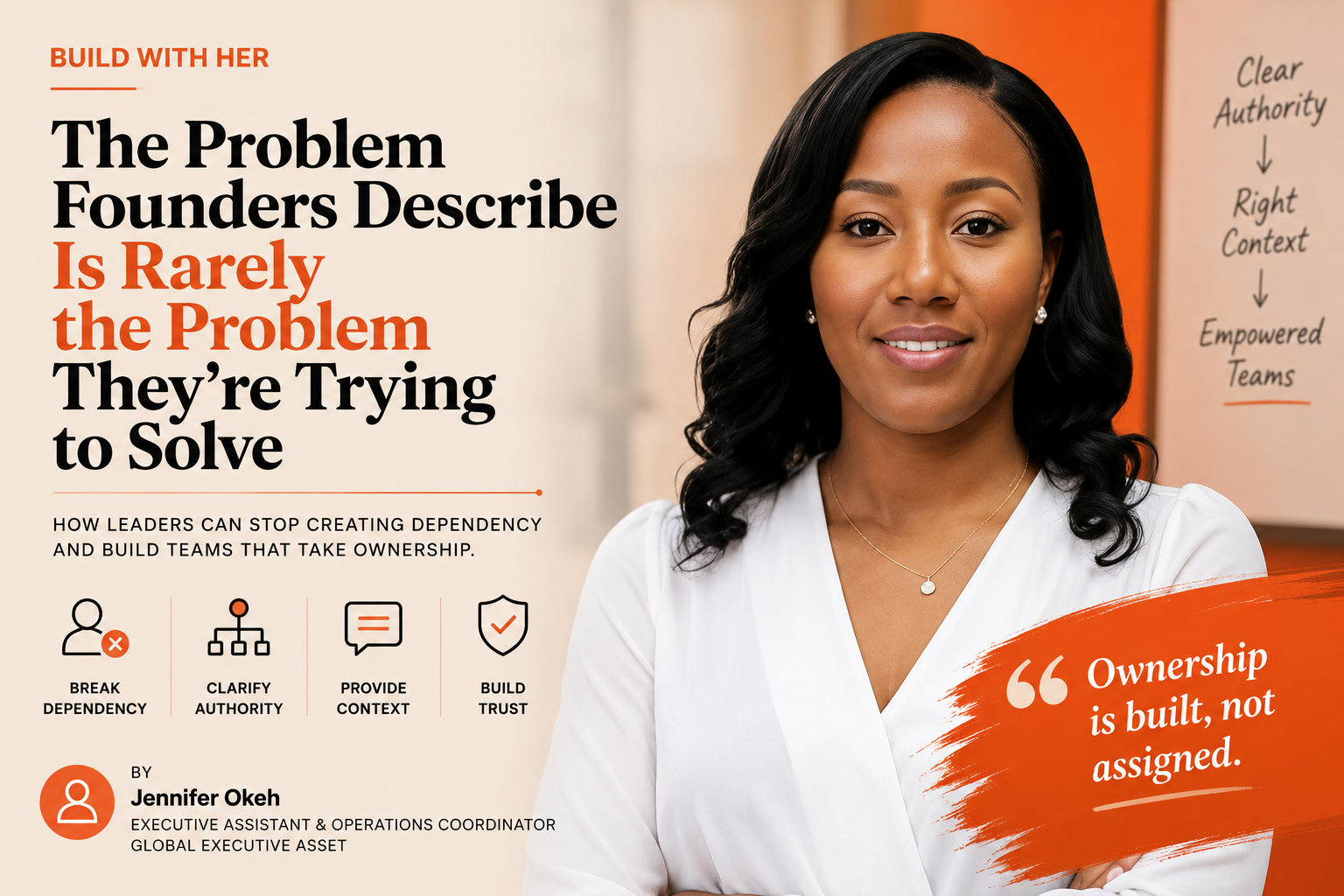
The Problem Founders Describe Is Rarely the Problem They’re Trying to Solve
By Jennifer Okeh·July 30, 2026·8 min·Contributor
- Personal Branding
From Invisible to Influential: Building a Personal Brand While Building a Bigger Vision
By Raneobhazi Aribo·July 17, 2026·9 min·Contributor - Personal Branding
How I Help Small Businesses Turn LinkedIn Into a Growth Channel
By Shabana kousar ·July 21, 2026·1 min·Contributor - Personal Branding
Visibility Is Not About Fame. It's About Opportunity.
By Anitha D·July 25, 2026·5 min·Contributor - Personal Branding
Personal Branding Builds Trust Before You Ever Meet Someone
By Anitha D·July 26, 2026·5 min·Contributor - Personal Branding
Building in Public: What Growing My Brand Actually Taught Me and What Oz Lunara Gave Me
By venisa sara·July 26, 2026·7 min·Contributor - Personal Branding
Why I Created My First Digital Courses and E-books
By Anitha D·July 26, 2026·5 min·Contributor - Personal Branding
Your Face and Story Are Your Biggest Brand Assets
By Anitha D·July 27, 2026·3 min·Contributor - Personal Branding
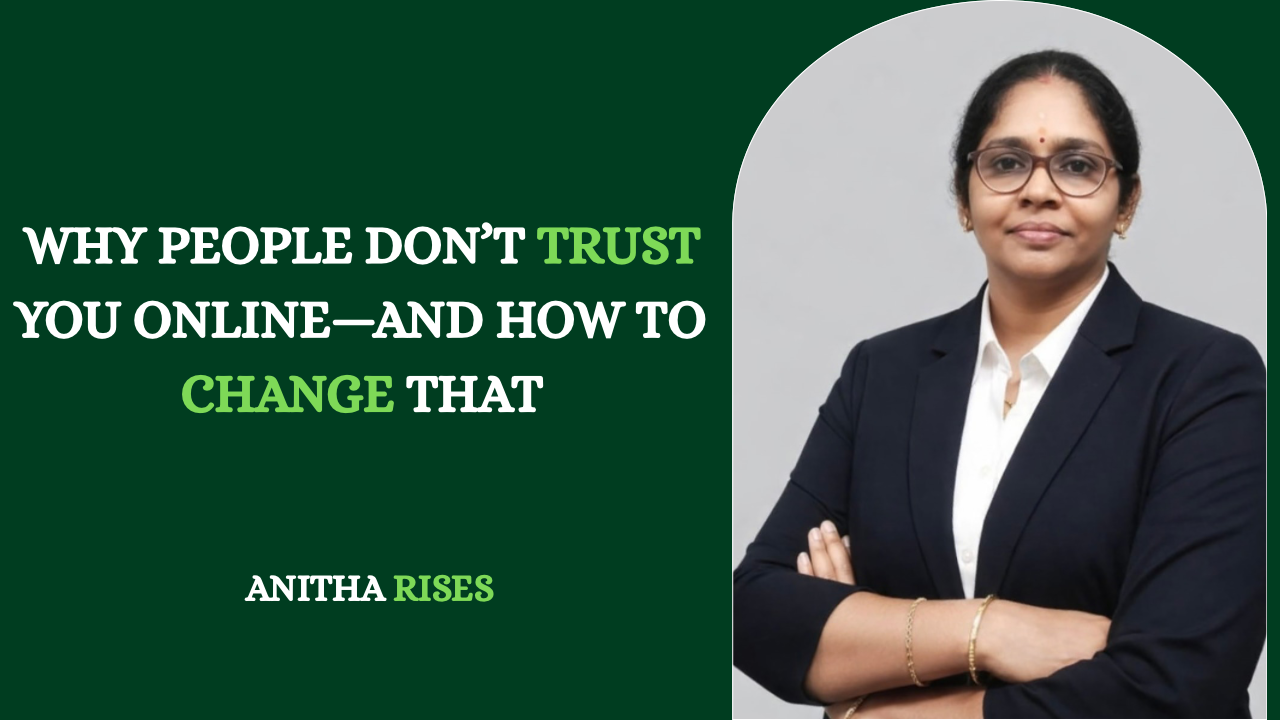
WHY PEOPLE DON’T TRUST YOU ONLINE—AND HOW TO CHANGE THAT
By Anitha D·July 30, 2026·4 min·Contributor


- Community & Impact
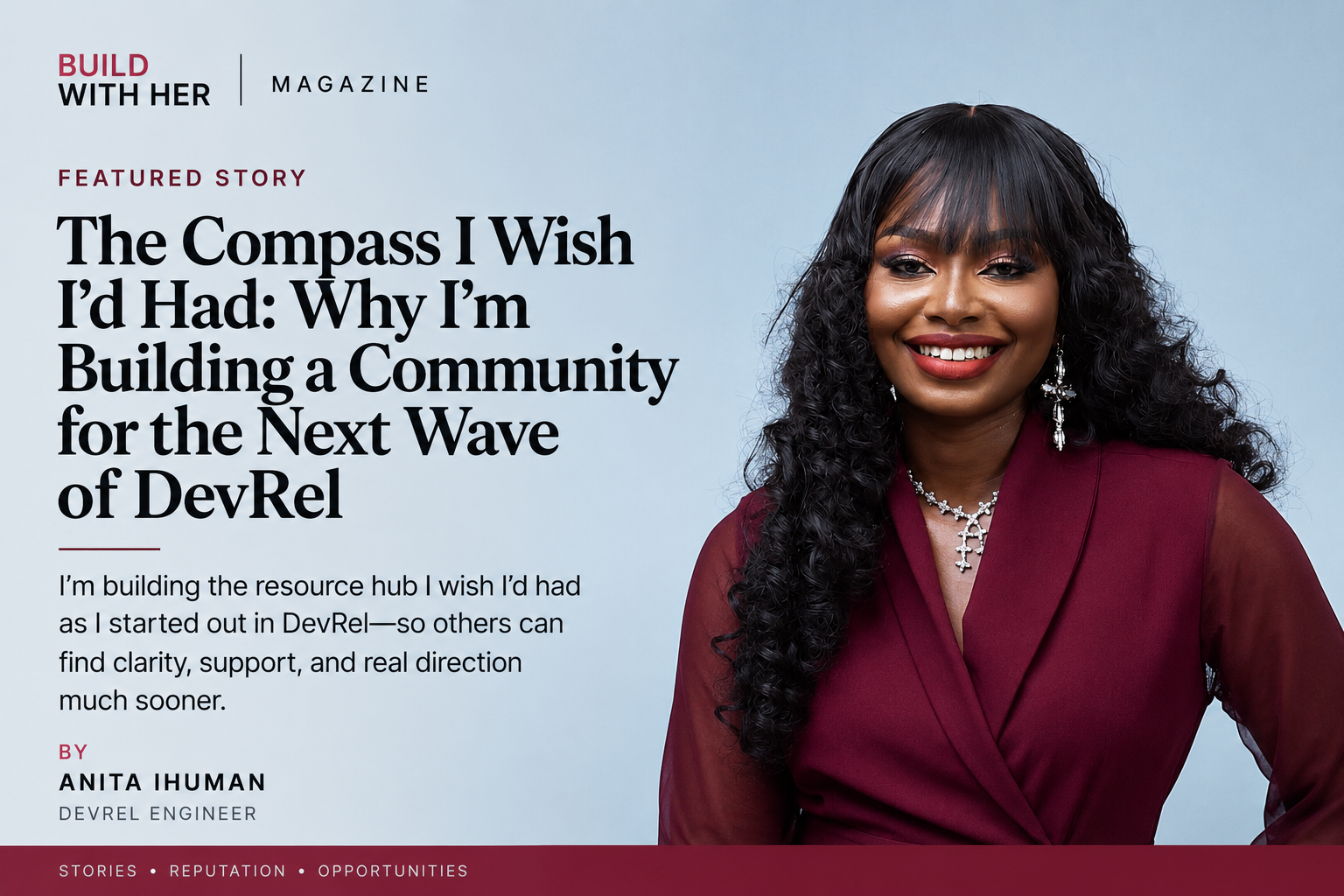
The Compass I Wish I'd Had: Why I'm Building a Community for the Next Wave of DevRel
By Anita Ihuman·July 18, 2026·3 min·Contributor - Community & Impact
The Fear I Refused to Live With
By Fathia Taiwo Mojeed ·July 18, 2026·5 min·Contributor - Community & Impact
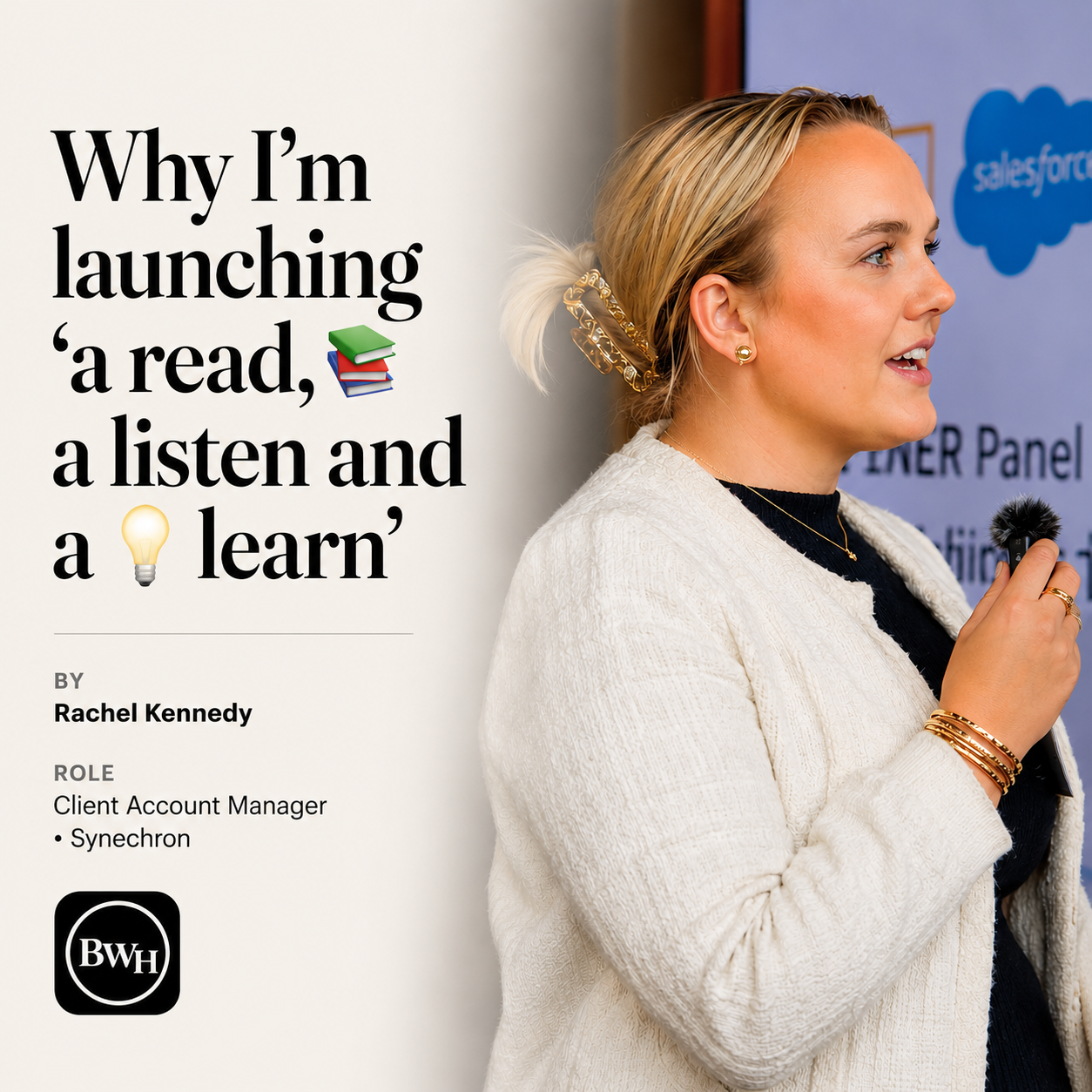
Why I’m launching ‘📚 a read, 🧏♀️ a listen and a 💡 learn’
By Rachel Kennedy·July 24, 2026·5 min·Contributor - Community & Impact
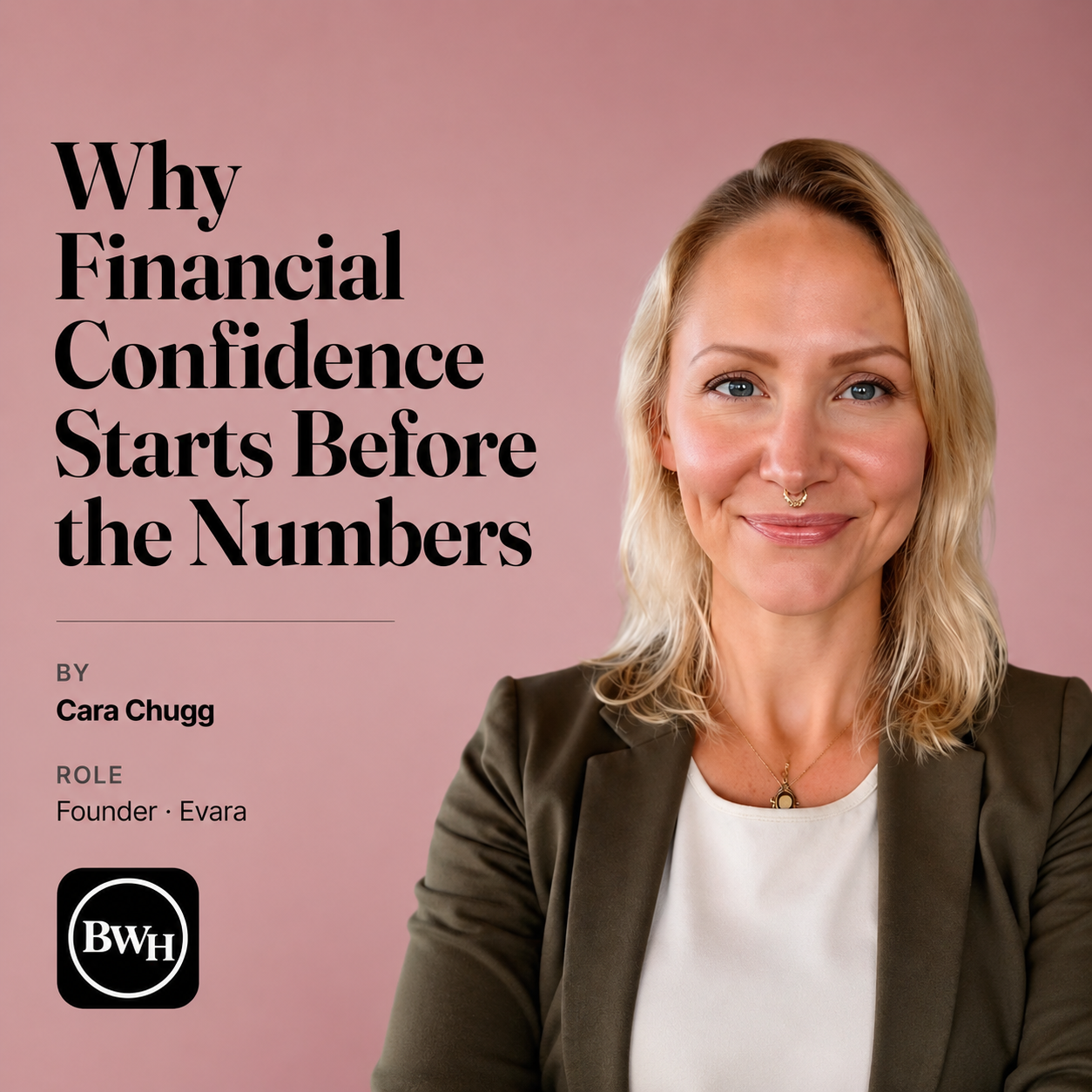
Why Financial Confidence Starts Before the Numbers
By Cara Chugg·July 24, 2026·4 min·Contributor - Community & Impact
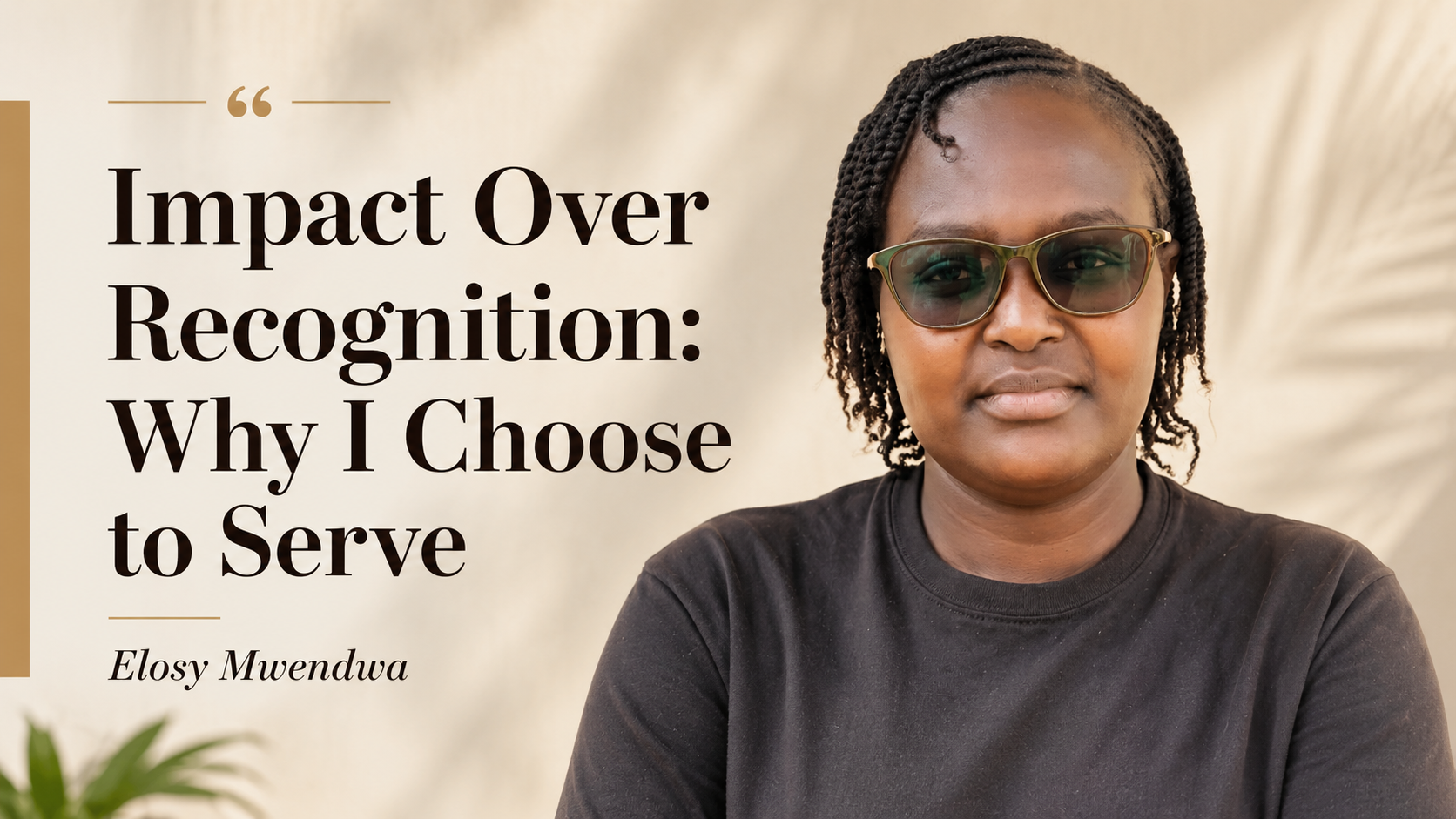
Impact Over Recognition: Why I Choose to Serve
By Elosy Mwendwa·July 26, 2026·5 min·Contributor - Community & Impact
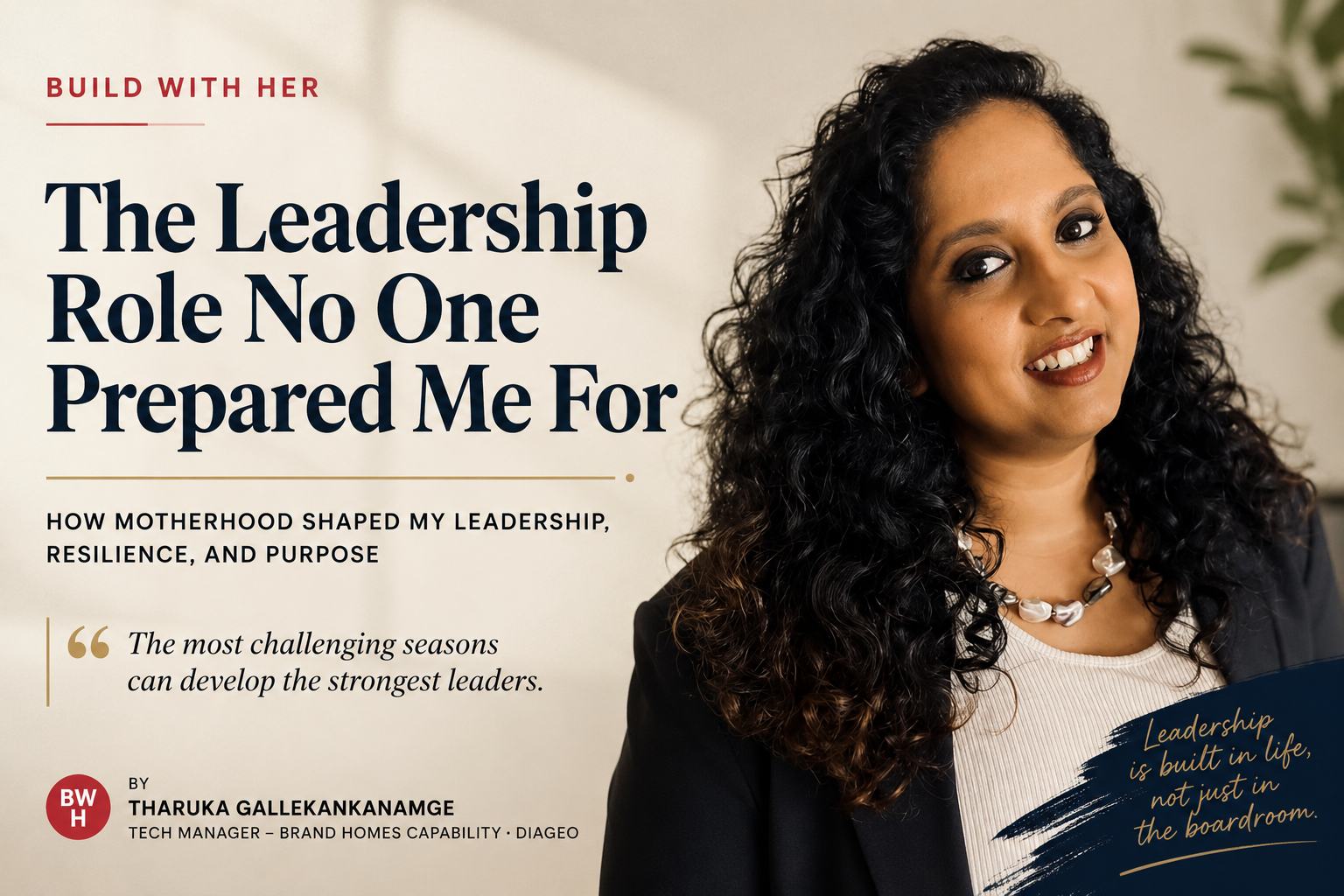
The Leadership Role No One Prepared Me For
By Tharuka Gallekankanamge·July 30, 2026·10 min·Contributor - Community & Impact
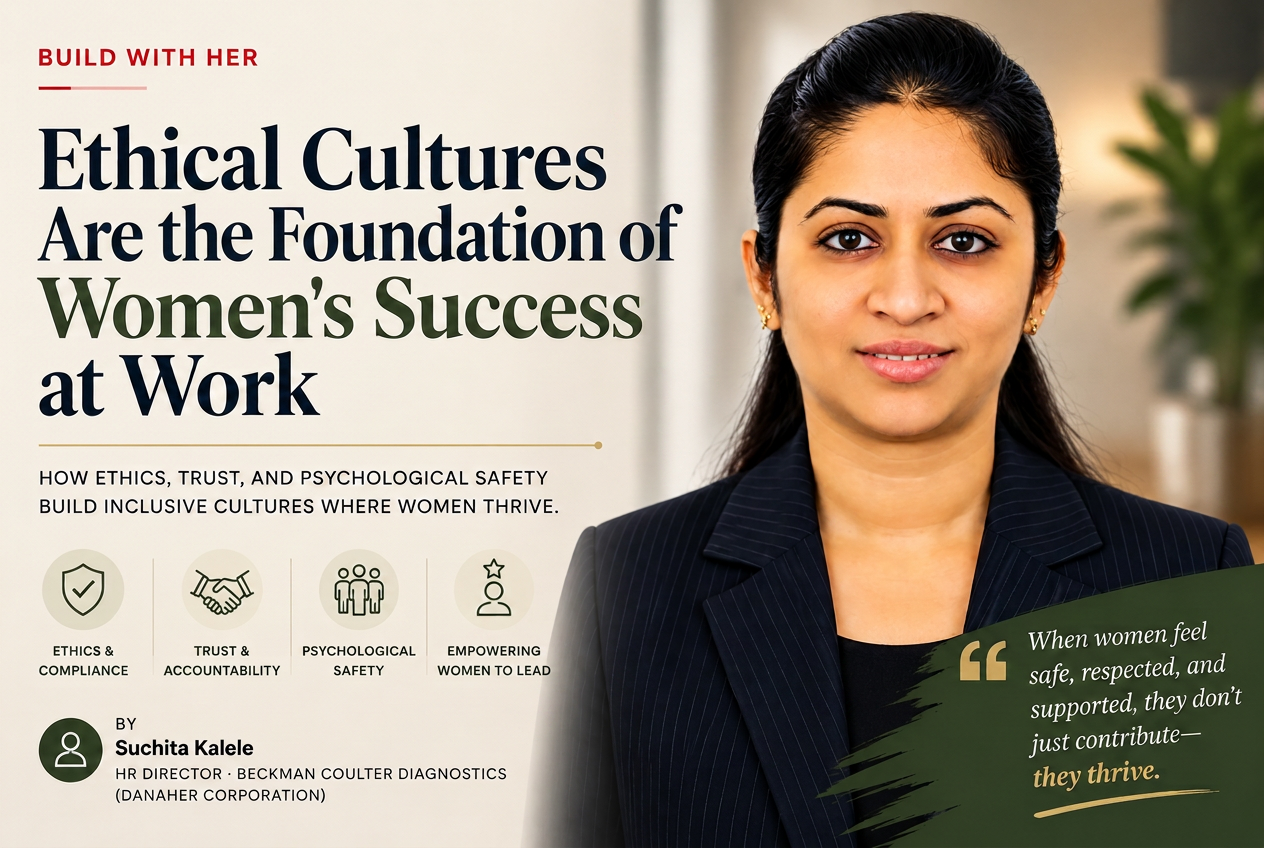
Ethical Cultures Are the Foundation of Women's Success at Work
By Suchita Kalele·July 30, 2026·6 min·Contributor

BWH Reports examines patterns across the larger body of stories published by women in the magazine, the kind of shape that only appears when many issues are read together.
- Raneobhazi Aribo
- Suchita Kalele
- Anita Ihuman
- Fathia Taiwo Mojeed
- Roopashree Ishwar Konnur
- Divine Obido
- Helen Gomon
- Rohini Chaudhari
- Eva Simone
- Bansi Patel
- Pooja Daga
- Caryn Masters
- Bhakti Goratela
- Sai Aparna Mopuru
- Daniella Abu
- Olasunkanmi Zainab Okunlola
- Stella Ojiuba
- Lilly Yeomans
- Shabana kousar
- Stella Ojiuba
- Emily Hunnybun
- Rachel Kennedy
- Cara Chugg
- Adedayo Oyetunji
- Bansi Patel
- Anitha D
- Agnes Jack
- Anitha D
- venisa sara
- venisa sara
- venisa sara
- Anitha D
- Elosy Mwendwa
- Rania HAMOUD
- Shraddha Dudhgaoli
- Anitha D
- Eva Simone
- Stella Ojiuba
- Helen Gomon
- Nishita Thakur
- Anam Shaheen
- Stella Ojiuba
- Sandra Burden
- Srujana Sree Bathineni
- Afrin Malka
- KOPAL DIXIT
- Tharuka Gallekankanamge
- Anitha D
- Manisha Sarkar
- Mukuzo Lysette Hamisi
- Mukuzo Lysette Hamisi
- Suchita Kalele
- Jennifer Okeh