The State of Women Who Build 2026
What 150 published stories reveal about ambition, visibility, reinvention, and the realities of building a career.
Every number in this report begins with a story.
A career changed.
A door that stayed closed.
A decision to begin again.
An idea that became visible.
A woman who chose to keep building.
The stories came first, one contributor and one byline at a time. The patterns you'll find here are what emerges when 150 of those stories are read together — not a replacement for any single one of them, but a way of seeing what they share. Every finding in this report exists to send you back to the contributors and articles behind it.
What the stories reveal — once analysed
The findings below are placeholders. Every value marked XX will be calculated once the full set of 150 published stories has been analysed — nothing here is a real statistic yet.
Finding title placeholder — career trajectories
Placeholder description of a pattern about how contributors' careers moved, once the analysis is complete.
Methodology note
Methodology note placeholder — how this percentage will be calculated and what counts toward it.
Finding title placeholder — visibility
Placeholder description of a pattern about visibility and recognition.
Methodology note
Methodology note placeholder.
Finding title placeholder — community and support
Placeholder description of a pattern about who contributors credit, and how.
Methodology note
Methodology note placeholder.
The Career Nobody Planned
Almost no contributor in this report set out to build the career she has now. This chapter will trace how those paths actually bent — toward infrastructure, toward leadership, toward founding something of her own — once the full set of stories has been read together.
Finding title placeholder — unplanned pivots
Placeholder description of a pattern about career direction changes.
Methodology note
Methodology note placeholder.
They Started Before They Felt Ready
"Ready" turns out to be a moving target in almost every version of this story. This chapter will gather what contributors said about starting anyway — the first talk, the first title, the first system shipped before anyone felt fully qualified to ship it.
“Contributor quote placeholder — to be replaced with a real excerpt from a published story.”
Visibility Changes What Becomes Possible
Being seen doing the work changes what happens next — the invitation, the promotion, the reader who reaches out. This chapter will map how visibility shows up across the archive, once the thematic analysis is complete.
How visibility shows up across the stories (placeholder)
PlaceholderA future distribution of the ways contributors describe becoming visible in their field. Every value below is a placeholder.
- XX%Theme placeholder A
- XX%Theme placeholder B
- XX%Theme placeholder C
- XX%Theme placeholder D
Placeholder visualisation — figures are not yet calculated and do not represent real findings.
Some of the stories already pointing this way
A small, illustrative selection from the archive — not yet mapped to any specific finding above. The stories behind each chapter will be curated once the analysis is complete.
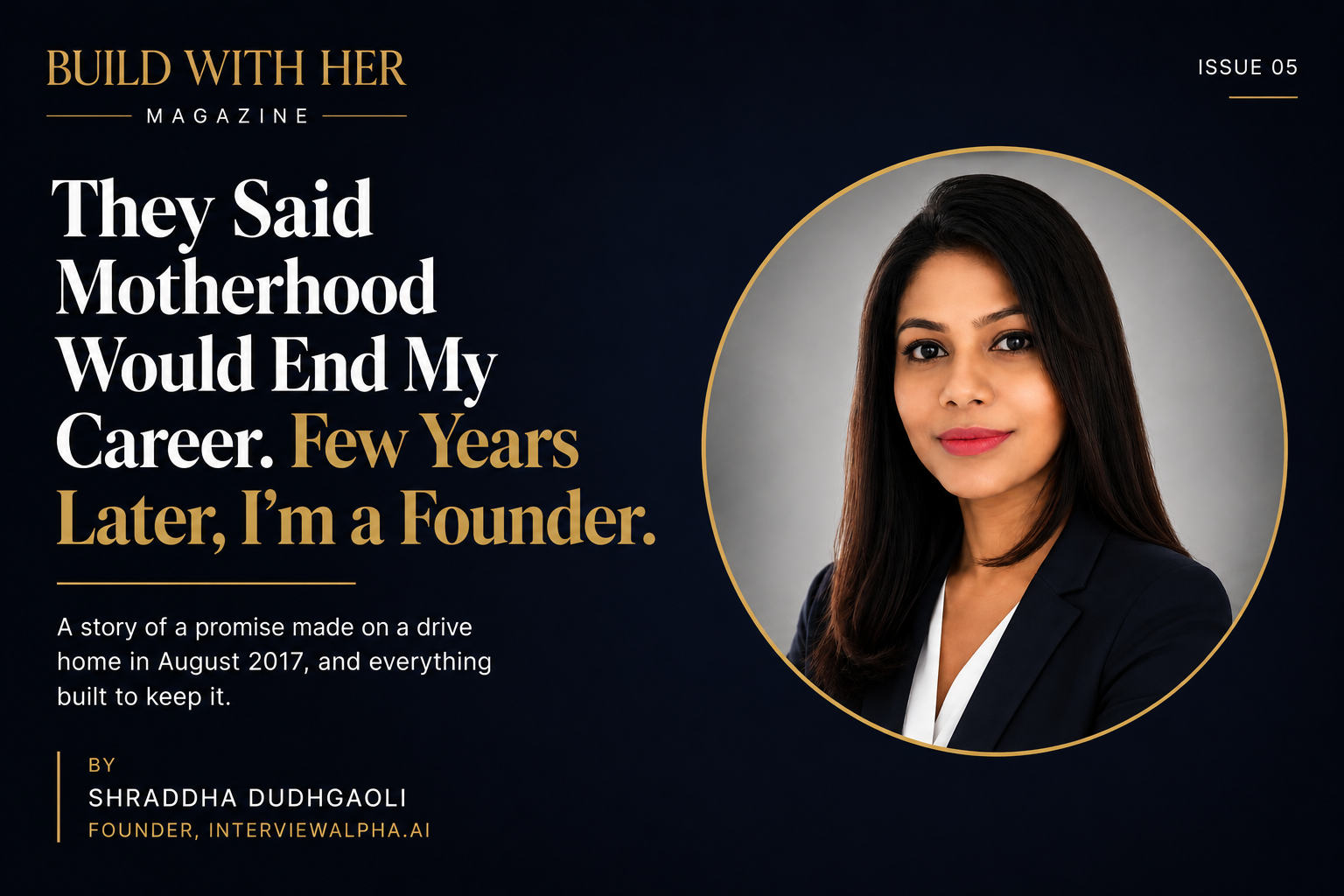
"They Said Motherhood Would End My Career. Few Years Later, I'm a Founder."
A colleague told me my career was over when I announced my pregnancy. Fewyears later I am the founder of InterviewAlpha.ai. This is the story of the promise I made to myself on a drive home in August 2017, and everything I built to keep it.
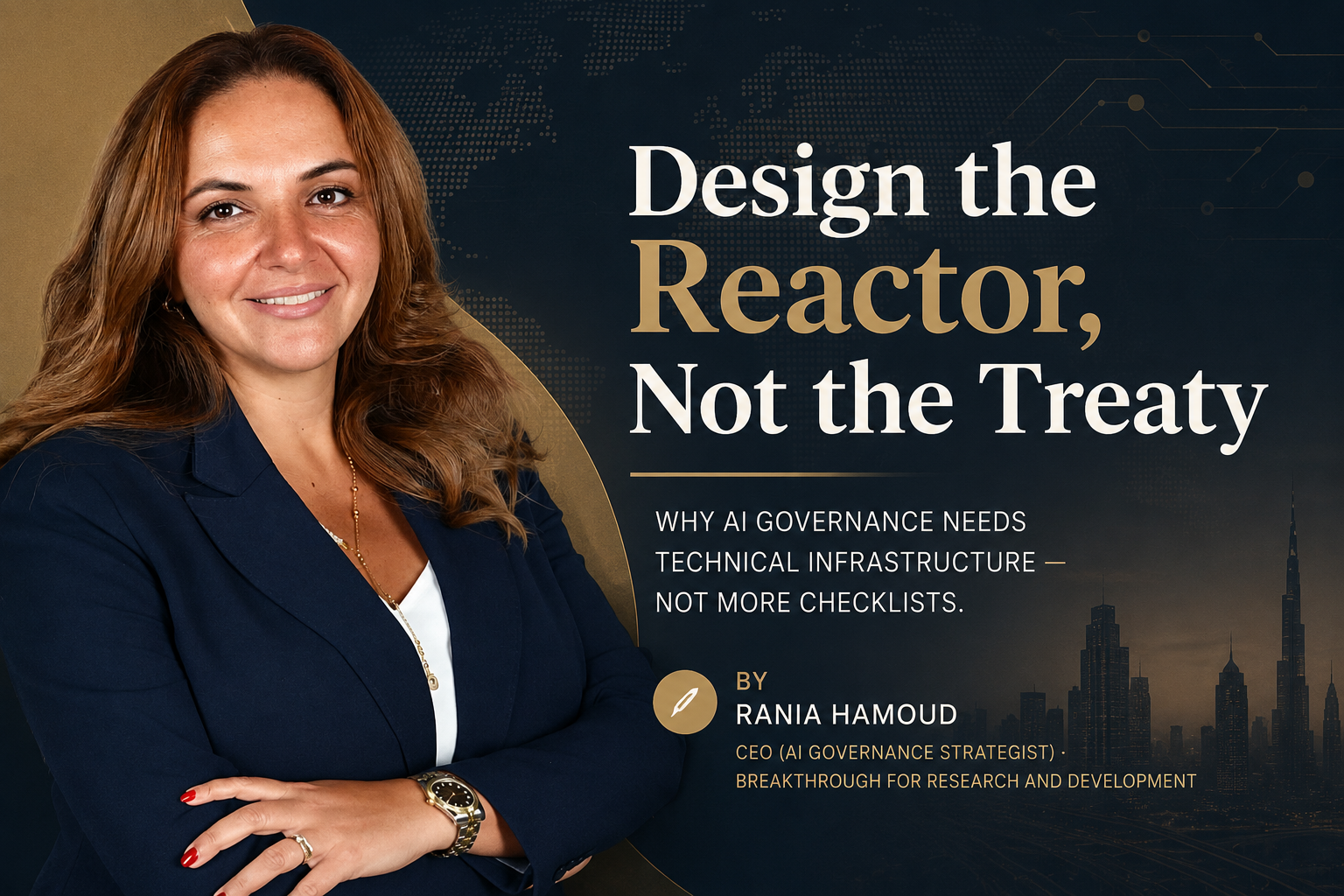
Design the Reactor , Not the Treaty
Global AI governance frameworks keep reaching the Middle East and the Global South as checklists that protect no one, stripped of the context they need on the way to the ministries meant to use them. I call this translation failure, and to close it, I taught myself the technical foundations, built a five-layer methodology that turns global standards into operational policy, and founded Breakthrough for Research and Development and TailoredxTech to do that work from within the region rather than for it.
My pull quotes (voluntarily done just in case needed):
"We are still writing the treaty for a bomb. AI is asking us to design the reactor instead".
"We are importing a governance model built for the bomb, and applying it to a technology whose safety can be engineered in".
"What I am arguing is that the technical infrastructure has to catch up with the governance ambition. The two are not in competition. They are the same project".
"Governance by architecture is the destination. The danger is treating the bridge as the destination".
"We can verify our own systems. Not as charity. As capability".
"Four years ago, I decided this technology could not stay a black box; I was only allowed to describe from the outside".
"At Breakthrough and TailoredxTech, we aren't building another policy framework. Through GTOF, we are delivering the actual technical verification capacity the Global South needs to govern AI from the inside out."
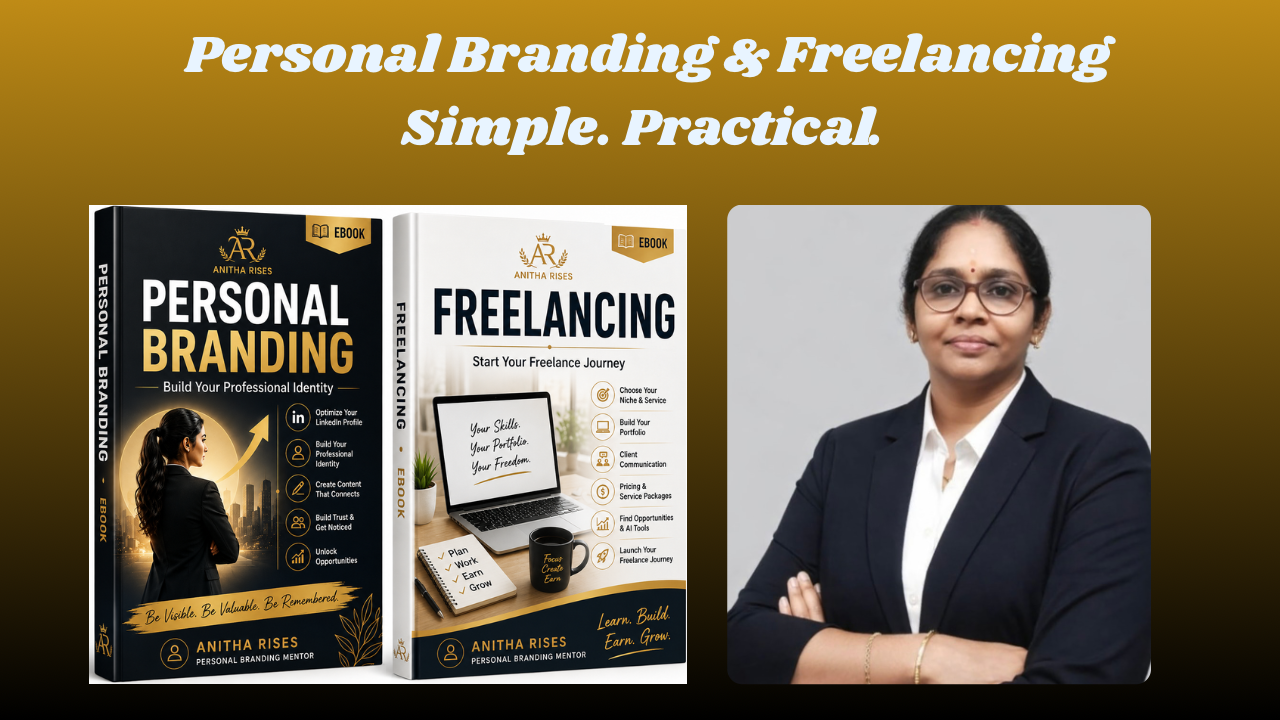
Why I Created My First Digital Courses and E-books
Creating digital courses and e-books was more than launching products—it was about making knowledge accessible. I wanted to help students learn personal branding and freelancing in simple, so they could build confidence and create opportunities for themselves.
Nobody Builds Alone
Every contributor names someone — a mentor, a manager, a community, a stranger on the internet who answered one question at 11 p.m. This chapter will gather what the archive says about who shows up, and when.
“Contributor quote placeholder — to be replaced with a real excerpt from a published story.”
Building Through What Was Meant to Stop Them
Outages, layoffs, closed doors, and the ordinary difficulty of being underestimated — this chapter will look at what contributors built through, not just what they built.
Finding title placeholder — building through setbacks
Placeholder description of a pattern about persistence through difficulty.
Methodology note
Methodology note placeholder.
The Future Women Are Already Building
The last chapter looks forward: what contributors said they're building next, learning next, and starting next. This is where the report hands the narrative back to the stories still being written.
What contributors say they're building next (placeholder)
PlaceholderA future distribution of stated next steps and ambitions. Every value below is a placeholder.
- XX%Theme placeholder A
- XX%Theme placeholder B
- XX%Theme placeholder C
Placeholder visualisation — figures are not yet calculated and do not represent real findings.
Read the stories this report is built on
Every finding in this report will eventually link directly to the stories that produced it. Until that curation is complete, here is a broader sample from the archive.
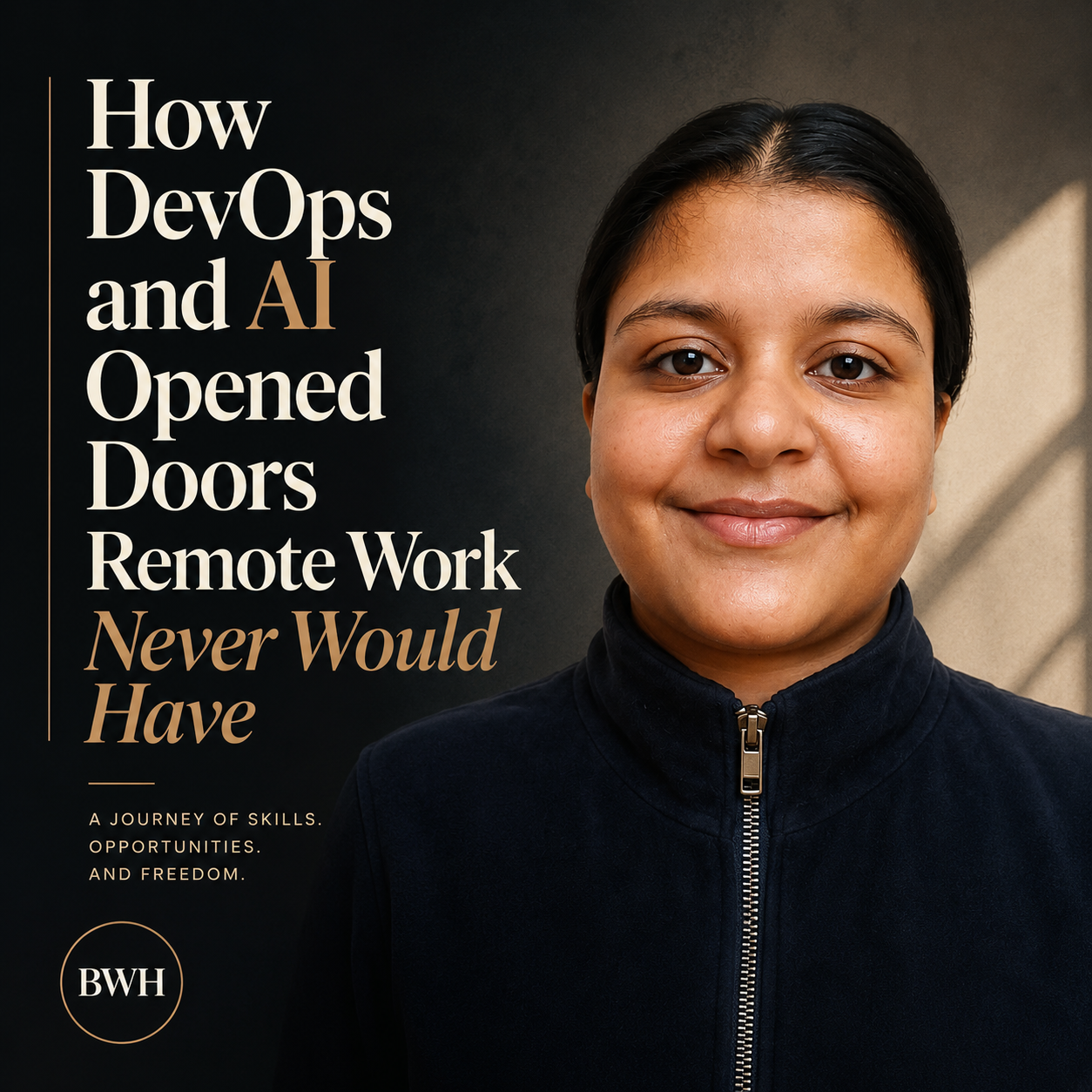
How DevOps and AI Opened Doors Remote Work Never Would Have
A self-taught engineer's journey from full-stack development to building multi-agent AI systems on Kubernetes and how that technical depth opened remote opportunities credentials alone never could.
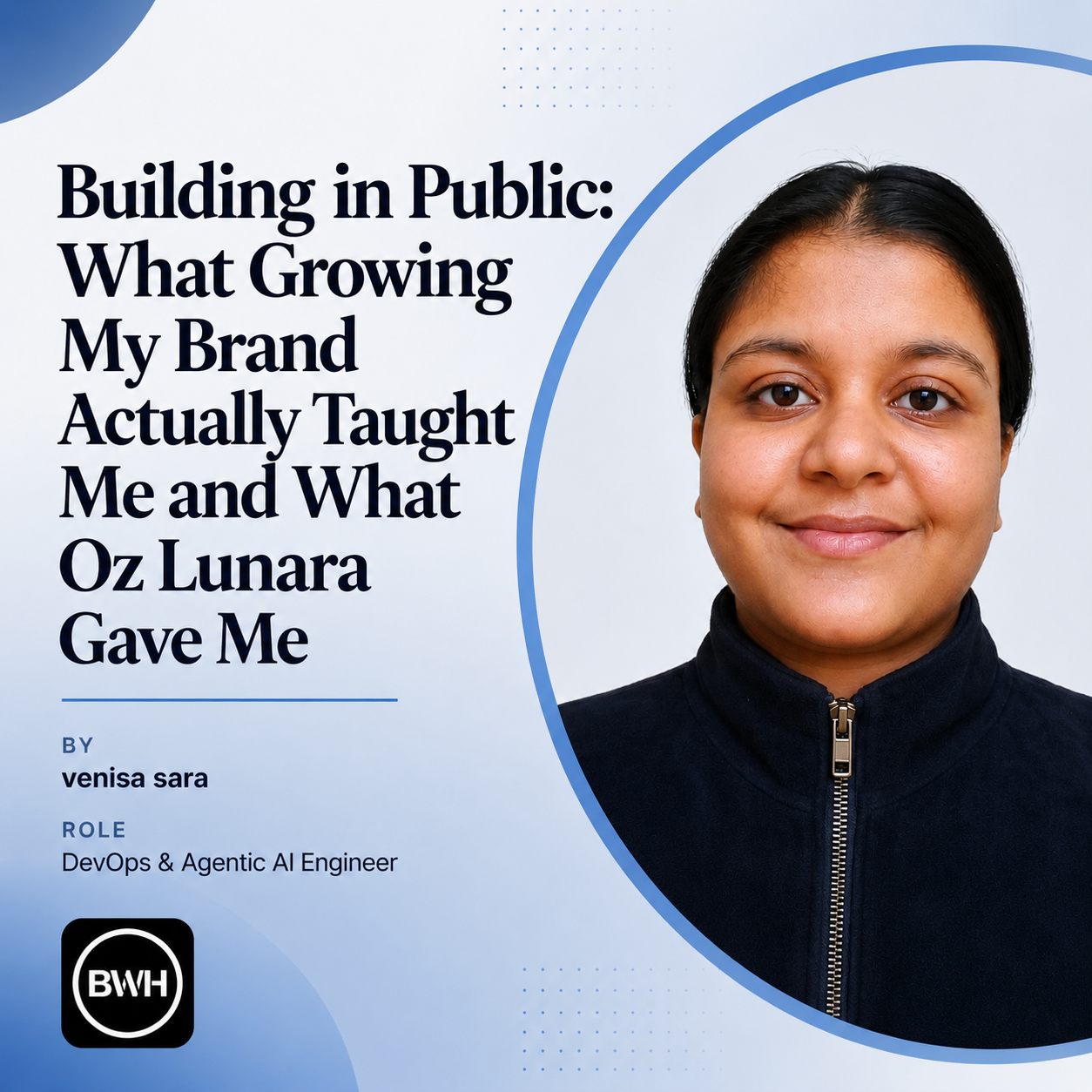
Building in Public: What Growing My Brand Actually Taught Me and What Oz Lunara Gave Me
A behind-the-scenes look at building a technical personal brand from zero the grind, the flops, and how presenting at Oz Lunara turned quiet, late-night engineering work into something proven in front of a real technical community.
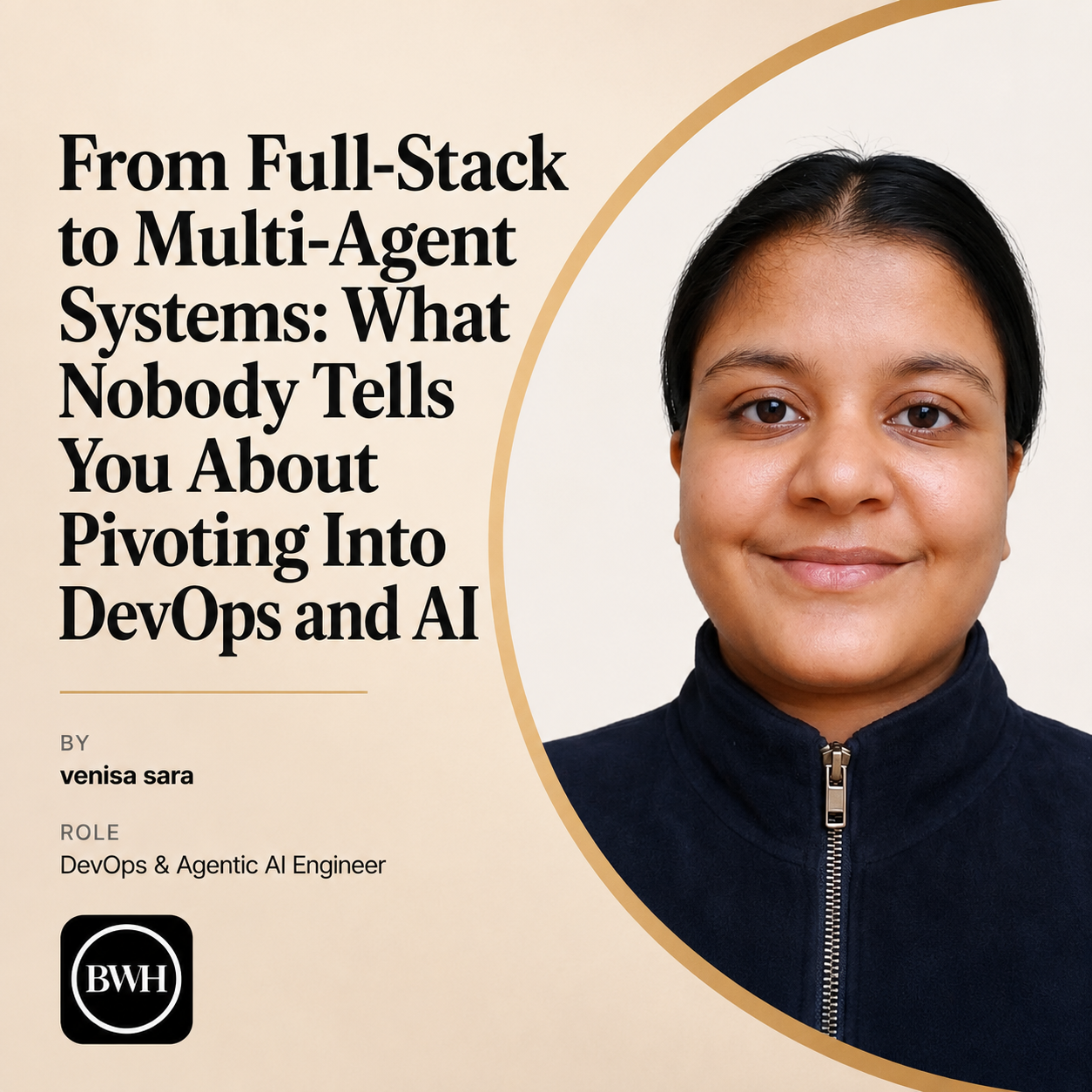
From Full-Stack to Multi-Agent Systems: What Nobody Tells You About Pivoting Into DevOps and AI
A self-taught engineer's technical account of pivoting from full-stack development into Kubernetes, GitOps pipelines, and ultimately a production-grade multi-agent AI system with real architecture decisions, not just the highlight reel.
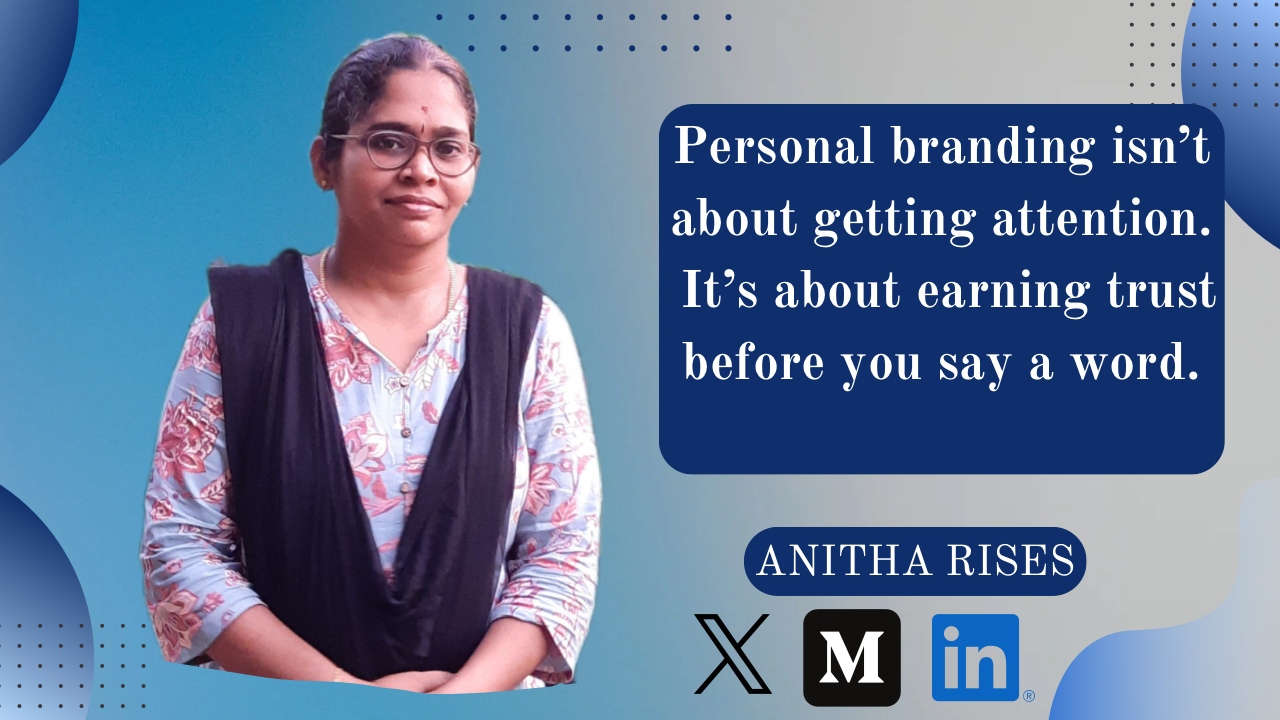
Personal Branding Builds Trust Before You Ever Meet Someone
A personal brand is more than a profile or a résumé. It is the trust you build by consistently sharing your knowledge, values, and experiences. In today’s digital world, trust often begins long before the first conversation.
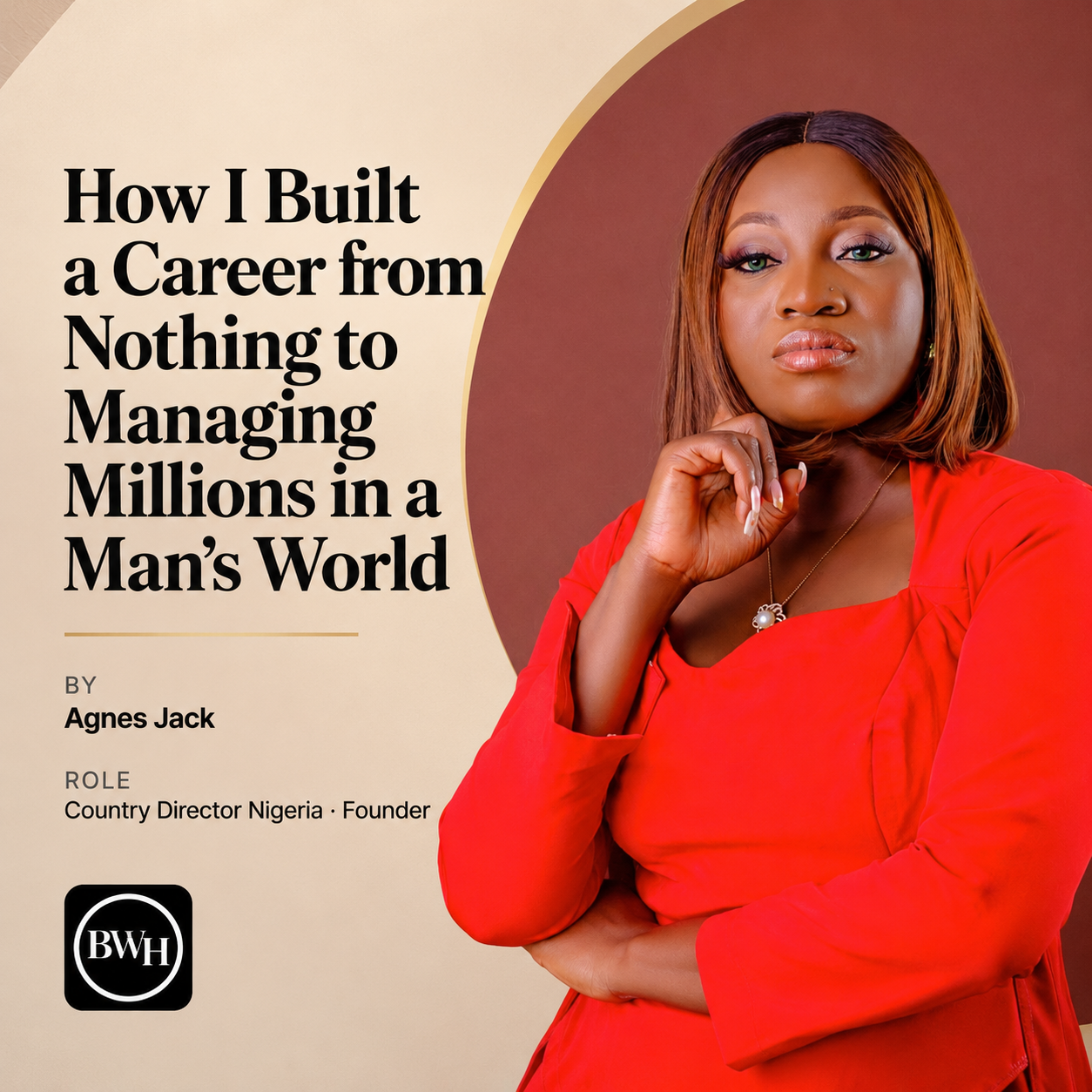
How I Built a Career from Nothing to Managing Millions in a Man’s World
Seeking financial independence after NYSC in Asaba, Agnes moved to Lagos on a one-year agreement with her husband, who was cautious of the unknown, to build the career she envisioned. After scoring top in her assessments, she broke into a male-dominated fitness industry, but faced gender bias when placed on an assistant's salary despite holding the Manager title. Juggling two toddlers and 4:30 AM daycare drop-offs via public transport, she proved her capability by turning a failing gym branch from ₦4M to ₦25M+ monthly, forcing equal compensation and launching her career into executive leadership.
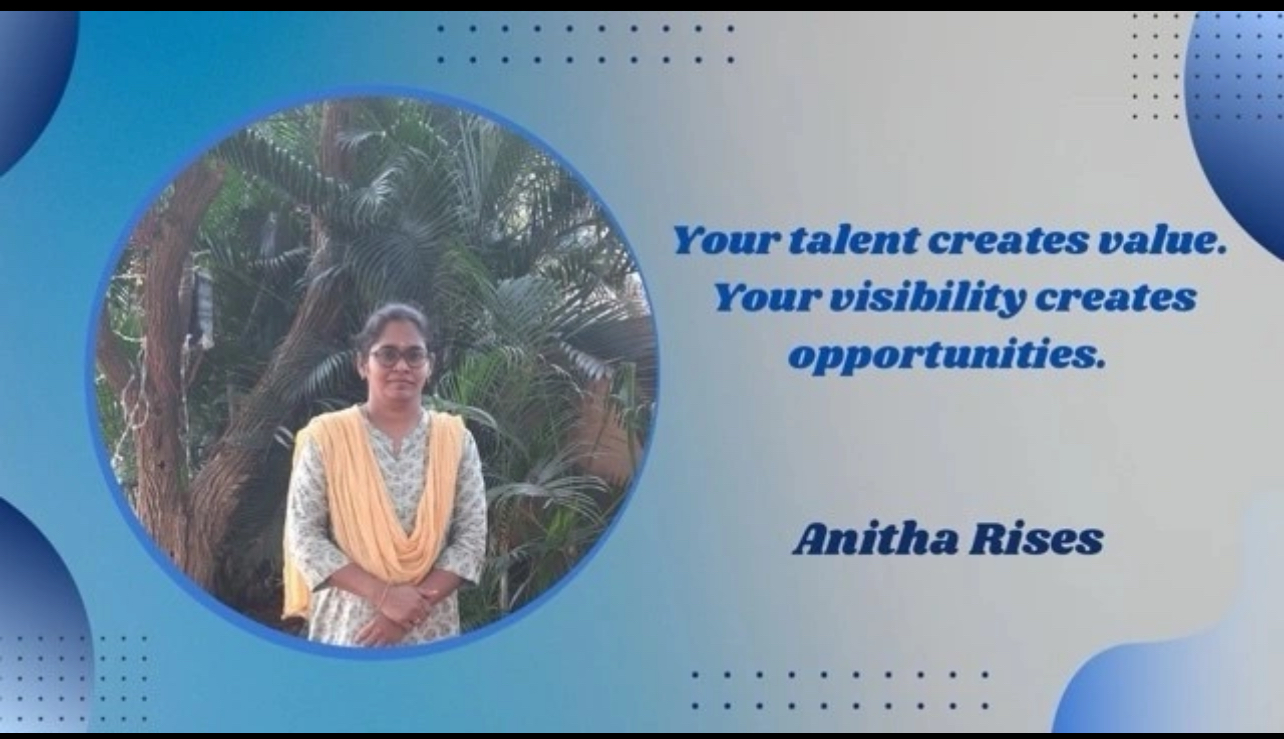
Visibility Is Not About Fame. It's About Opportunity.
Visibility is not about becoming famous. It is about sharing your knowledge, journey, and ideas so the right opportunities can find you. Every small step toward visibility builds trust and creates lasting impact.
This selection is illustrative for the current phase of the report and is not yet mapped to specific findings above.
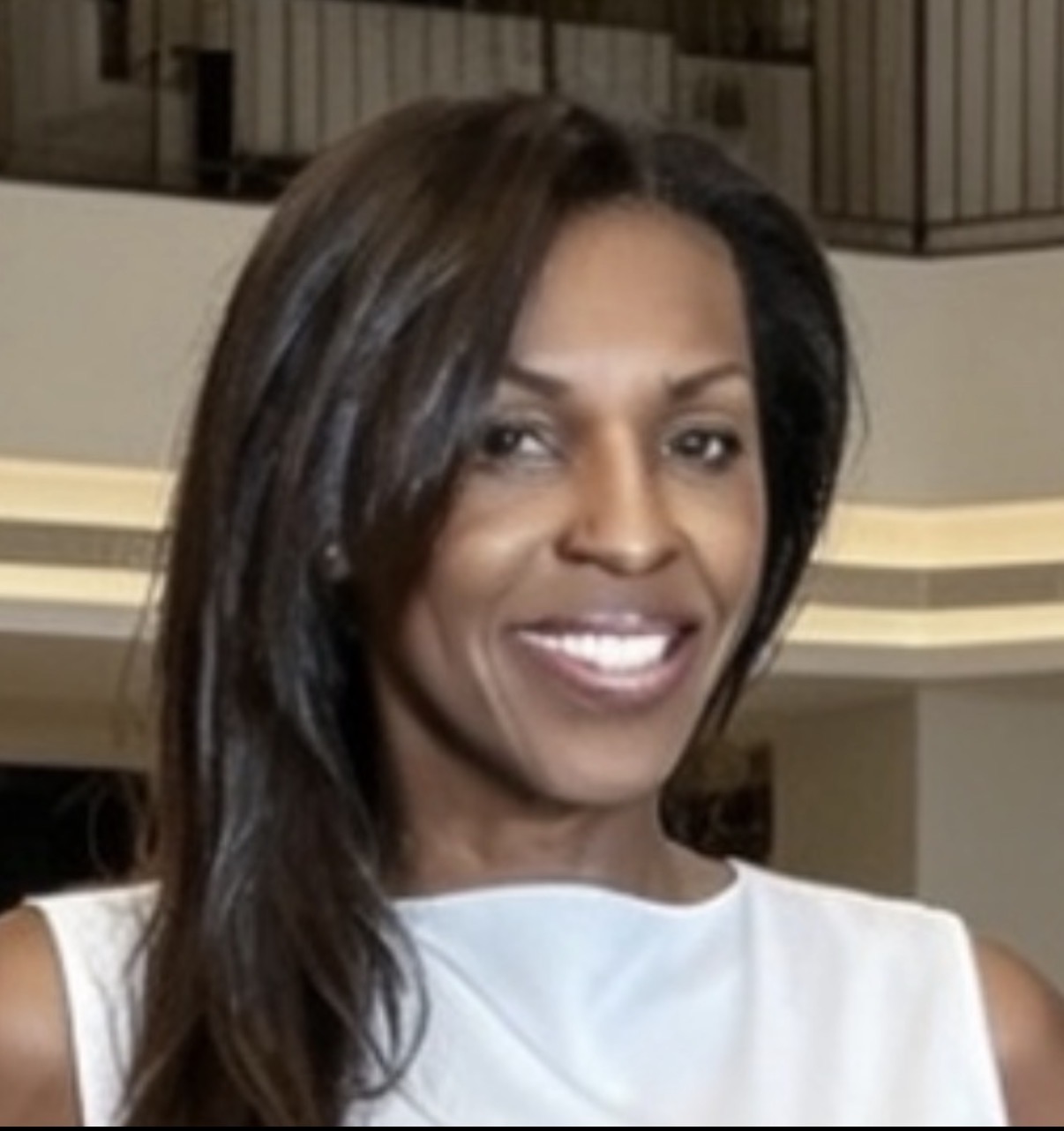
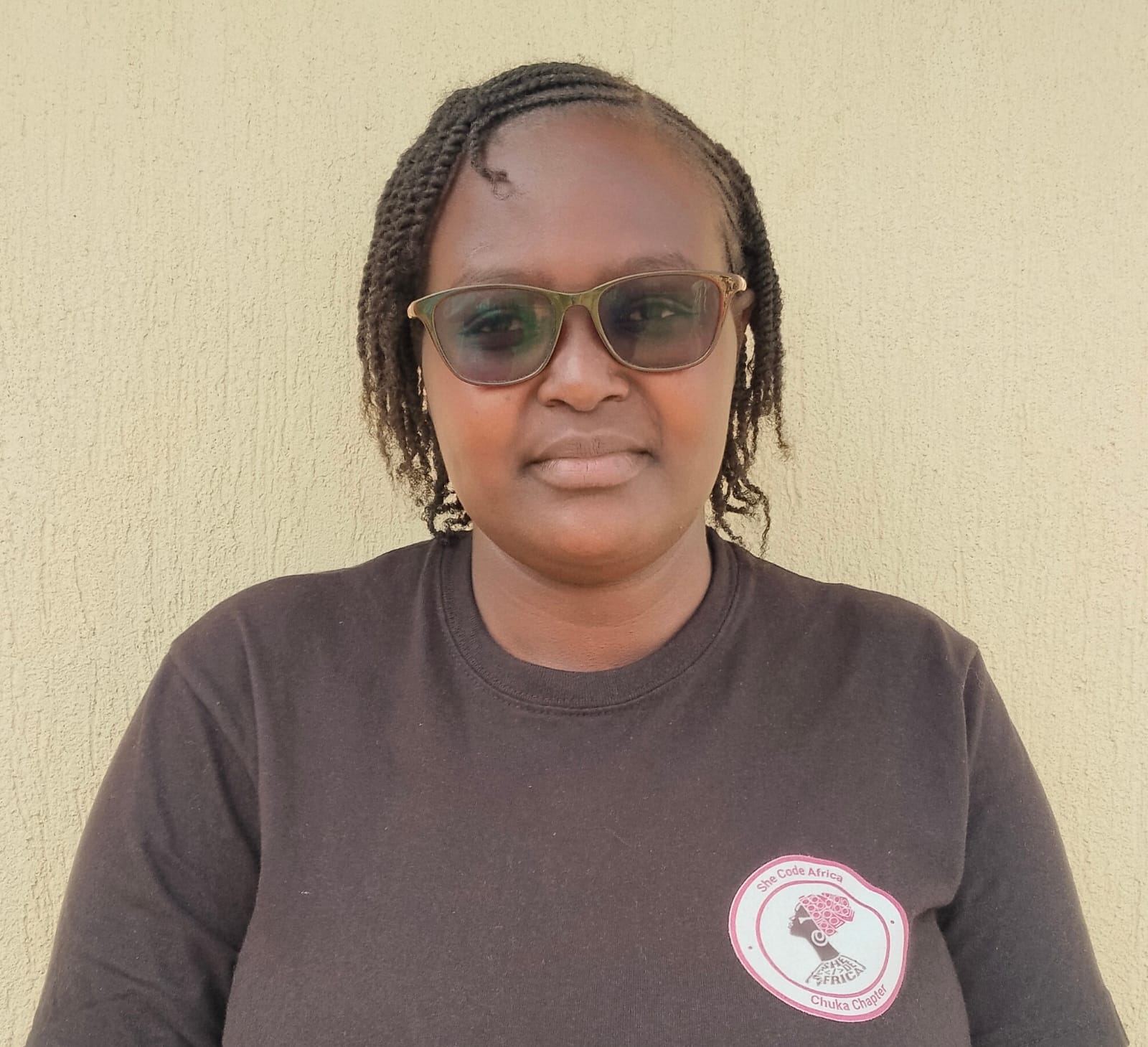
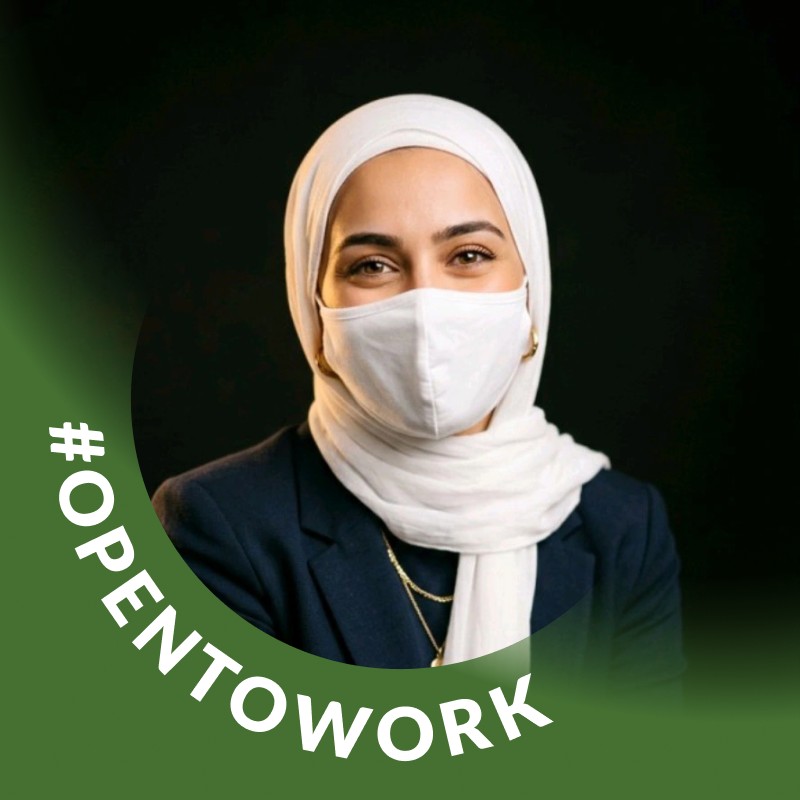
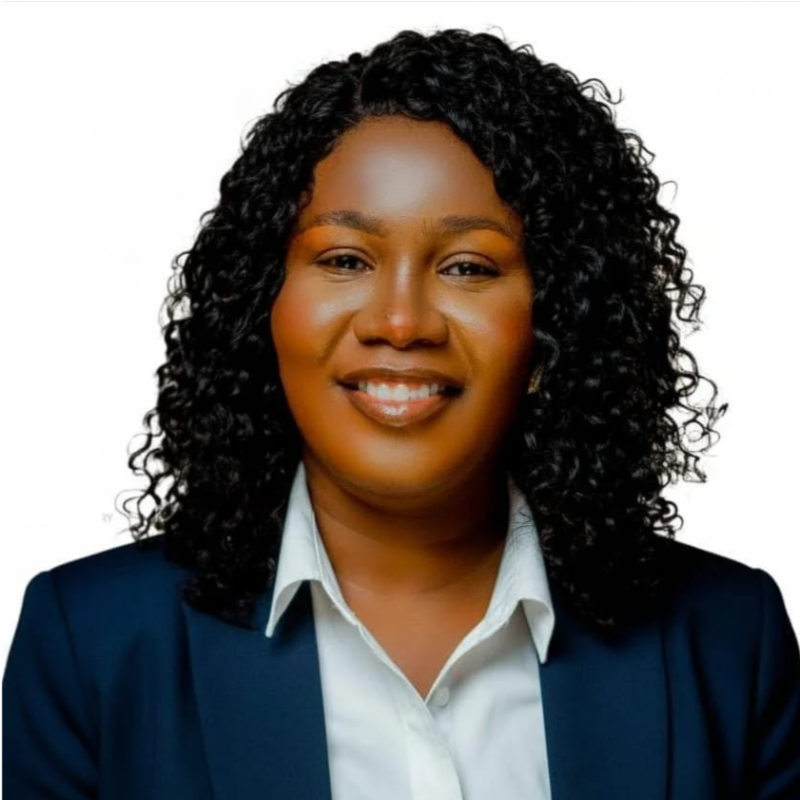
Meet the contributors behind the stories
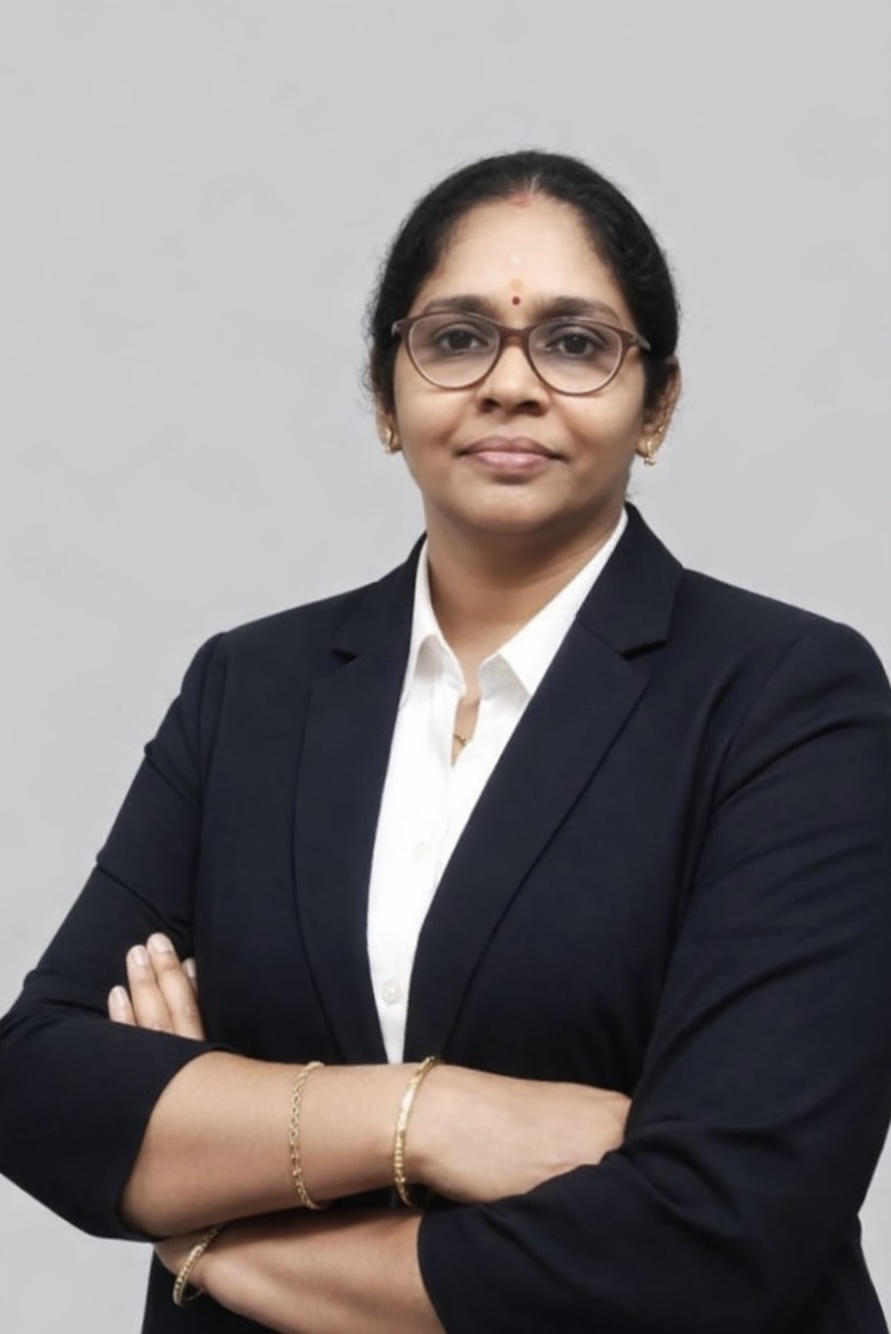
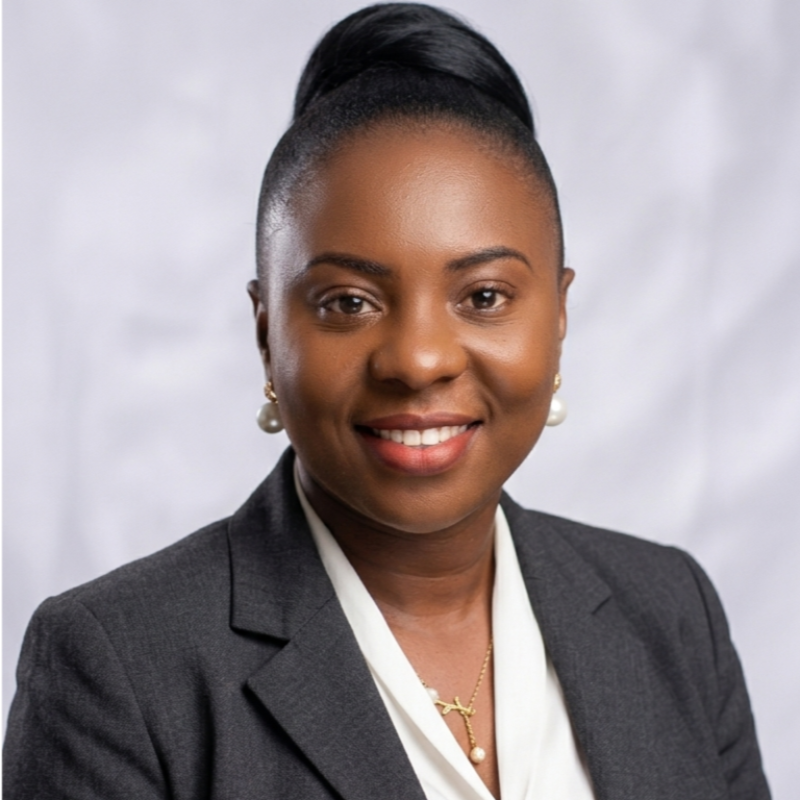
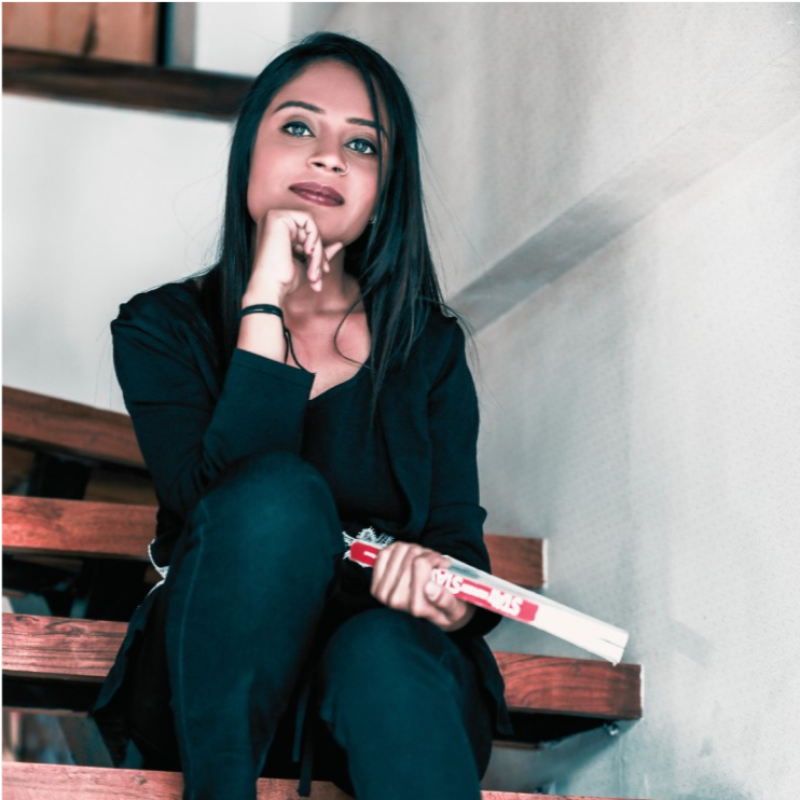
The number of unique contributors represented in this report will be calculated — and published here — once the analysis is complete. It will be lower than or equal to 150, since some contributors have written more than one story.
How this report works
This report will always disclose exactly what it's based on, what it leaves out, and what it can and cannot claim. The sections below are structurally complete; several answers are still placeholders until the analysis phase begins.
What stories were included?
This report analyses the Build With Her 150 Stories milestone. The magazine's archive currently contains 152 published stories. Two launch/editorial seed stories were intentionally created during the initial launch of the magazine — they remain part of the magazine and remain publicly accessible, but are permanently excluded from this and every future milestone report. The resulting corpus is the first official collection of 150 Build With Her stories, spanning contributor submissions, staff-written features, and early editorial content: every genuine story published in the magazine's history, regardless of origin.
Is this an annual report?
No. Build With Her Reports are milestone reports, not calendar-based reports. A new edition is created whenever the magazine's archive reaches its next milestone story count — 150, 300, 500, 1,000, and beyond — rather than once a year. This is the 150 Stories edition. Once a milestone edition is published, its corpus is frozen permanently; it does not grow or change as the magazine keeps publishing.
What date range does this report cover? — placeholder
Placeholder — to be completed with the actual publication window.
Why does this report say "150 stories" and not "150 women"?
Because some contributors have published more than one article, and because a small number of stories carry a staff or editorial byline rather than a contributor's, the number of unique women represented is lower than the number of stories. This report is careful to describe findings as based on stories, not on a count of individual women, and will state the actual number of unique contributors once it has been calculated.
How were themes identified? — placeholder
Placeholder — to be completed once the thematic analysis method is finalised.
What do these findings represent — and what don't they? — placeholder
Findings in this report describe patterns across the stories that were published and analysed. They are not a claim about all women in the industry, and they are not a scientific survey — they are a reading of the first 150 Build With Her stories, a corpus that spans contributor submissions, staff-written features, and early editorial content. Full limitations will be detailed here once the analysis is complete.
Who is — and isn't — represented in this corpus?
Most stories in this corpus were volunteered by a contributor who chose to write for Build With Her Magazine. A smaller number are staff-written features or early editorial stories from the magazine's archive. All are genuine Build With Her stories, but together they are not a random sample of women in the industry — they are the magazine's own publishing history, and the report's findings should be read with that mixed origin in mind.
Are withdrawn or incomplete stories counted in the 150?
Yes. The milestone corpus is a historical record, not a live listing — if a story that belongs to the 150 has since been editorially withdrawn from public view, or its body text is missing or unreadable, it stays counted in the 150 with that status flagged. Only the qualitative analysis of story text excludes those stories, since there is no legitimate content to read for them; the corpus count itself is never adjusted to make a number look cleaner.
What are the limitations of this analysis? — placeholder
Placeholder — to be completed once the analysis method is finalised.
How were percentages calculated? — placeholder
Placeholder — to be completed once the calculation method is finalised.
How can I read the original stories?
Every finding in this report links back to the stories behind it. You can also browse the full archive or the Builders directory at any time.
When was this report last updated? — placeholder
Placeholder — last-updated date to be confirmed at publication.
Your story may shape what we learn next.
This report is a snapshot of 150 stories, not the end of the conversation. Every new story Build With Her publishes can change what the next edition of this report finds.