From Banking to Venture Capital: My First Two Years as a Financial Analyst
My move from banking to Corporate Venture Capital has been a journey of constant learning, from evaluating early-stage startups to navigating global markets. Two years in, I've discovered that curiosity and adaptability are the most valuable assets an investor can have.
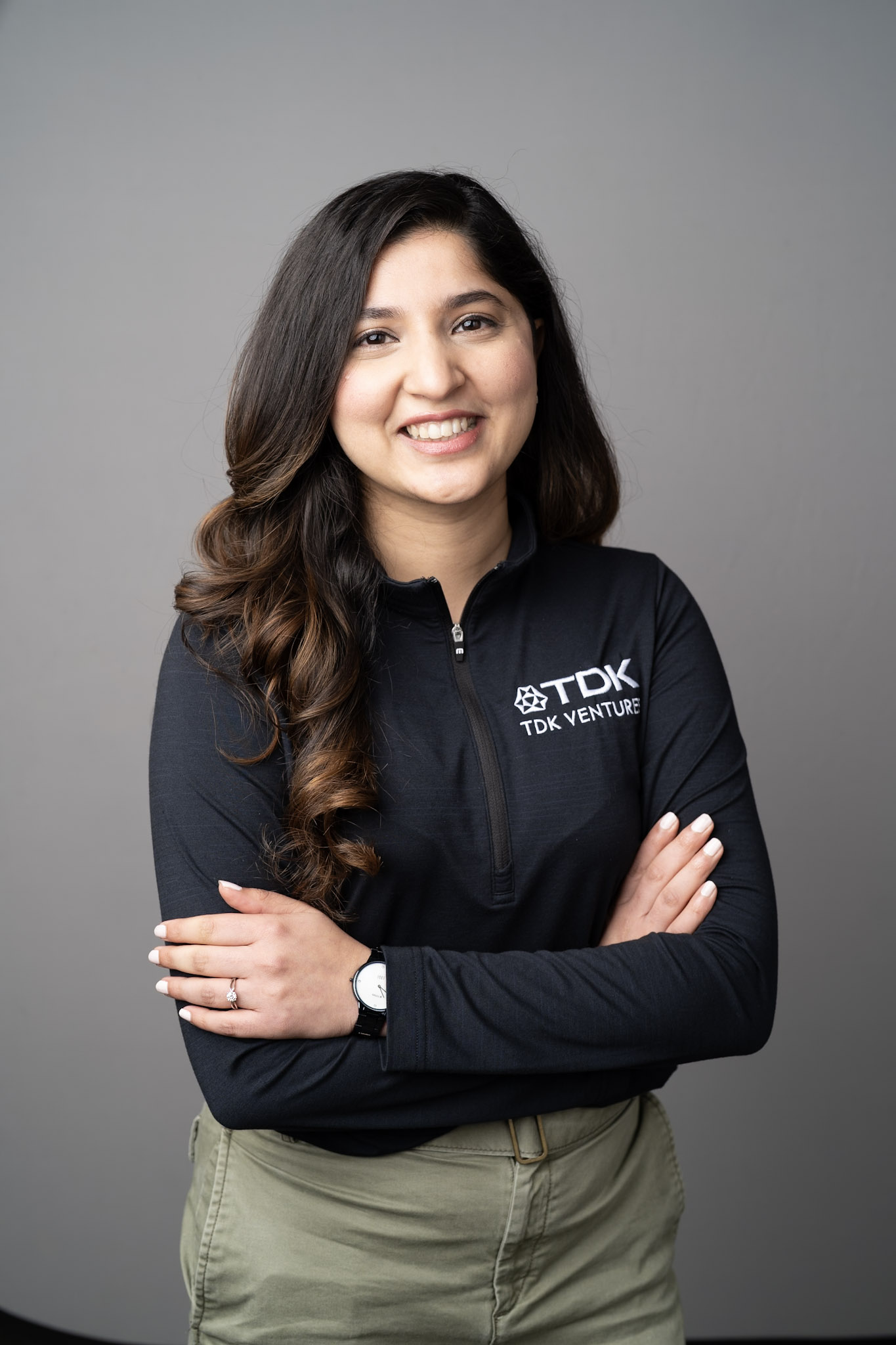
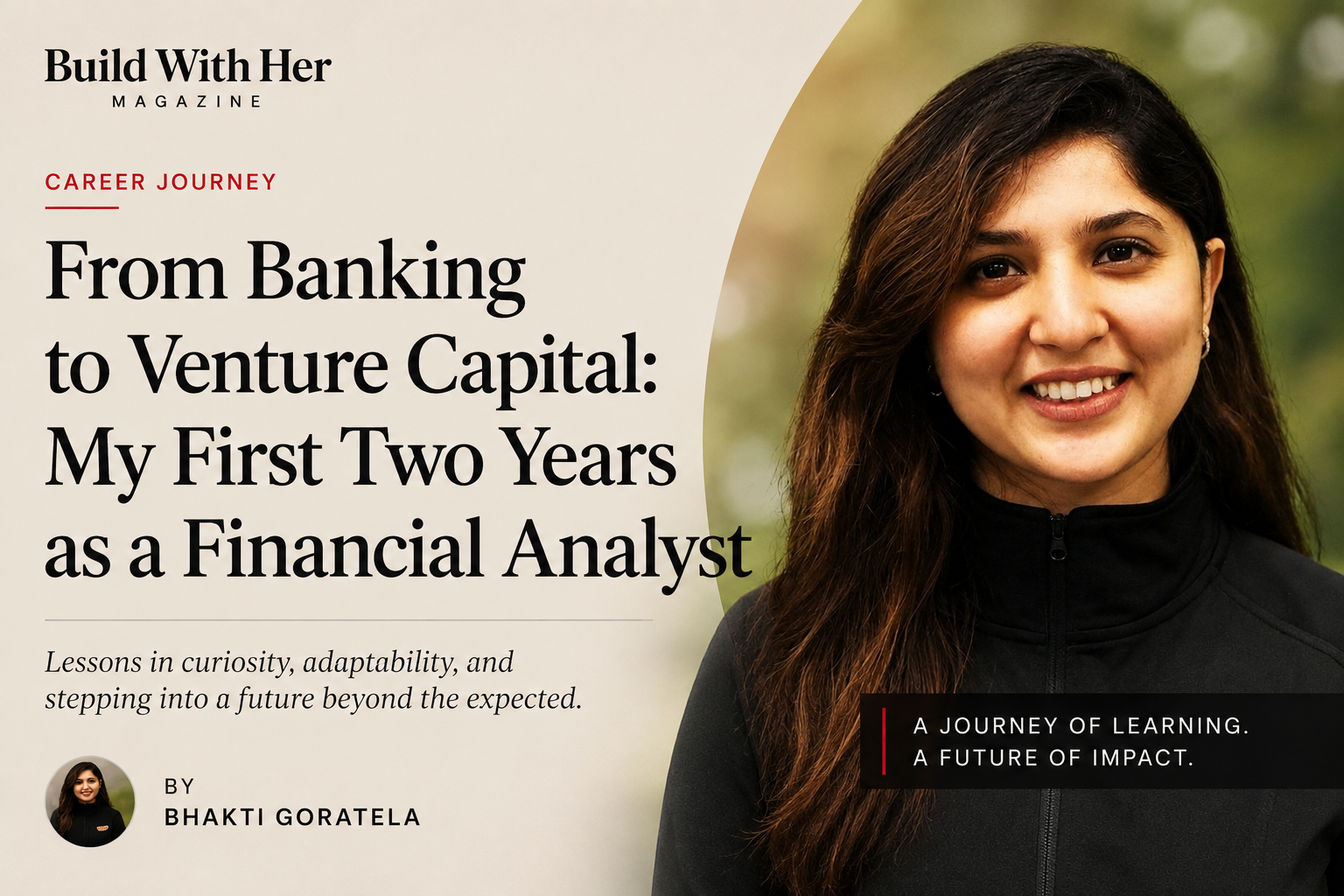
Two years ago, I made one of the biggest decisions of my career: leaving banking and moving into Corporate Venture Capital (CVC). At the same time, I relocated from Chicago to the Bay Area, the heart of the startup ecosystem. Looking back, I can confidently say that those two changes transformed not only my career but also the way I think about businesses, innovation, and investing.
When I first arrived in the Bay Area, I wasn't entirely sure what venture capital actually looked like on a day-to-day basis. My experience was rooted in banking and accounting firm, where businesses are typically evaluated based on historical performance, financial statements, cash flows, and established operating metrics. Venture capital felt like an entirely different world.
Everything was new.
I had no direct VC experience, and I quickly realized that many of the frameworks I had relied on in banking didn't always apply. Instead of evaluating mature companies with years of financial history, I found myself analyzing startups that often had little or no revenue. Sometimes, the product was still being built. In other cases, the founders had a compelling vision but limited operating history.
The learning curve was steep.
One of the biggest surprises was understanding how much of venture investing revolves around uncertainty. In banking, the focus is often on what has already happened. In venture capital, the focus is on what could happen. You're constantly trying to assess the future potential of a company, a market, or a technology.
That shift in mindset took time.
As a Financial analyst, due diligence became one of the most important parts of my role. However, startup due diligence is very different from traditional financial analysis. Beyond financials, we spend significant time understanding the founding team, market opportunity, competitive landscape, product differentiation, customer adoption, and technology.
The challenge becomes even more interesting when the startups have little revenue or limited operating history. In those situations, there are no perfect answers. Every investment decision requires balancing conviction with risk.
What makes the role even more dynamic is the global nature of investing. Our team evaluates opportunities from all over the world. This means that every market comes with its own unique business environment, regulatory framework, and accounting standards.
A startup operating in the United States may report information differently than one based in Europe, India or Southeast Asia. Understanding different accounting practices, legal structures, tax considerations, and reporting standards has become a critical part of the job.
No two deals are exactly the same.
That is probably what I enjoy most about venture capital. There is always a moving piece. The industries change. The technologies evolve. Market conditions shift. New founders emerge with ideas that challenge existing assumptions.
The learning never stops.
Some days I am researching artificial intelligence. Other days I am evaluating enterprise software, climate technology, robotics or emerging consumer trends. Every company presents a new puzzle to solve.
Over the last two years, I've realized that success in venture capital is not about having all the answers. It's about being curious enough to keep asking questions. The best investors continuously learn, adapt, and challenge their own assumptions.
For someone transitioning from banking, that has been both the most difficult and the most rewarding part of the journey.
As I start writing more about my experiences, I hope to share lessons from evaluating startups, working with founders, navigating career transitions, and understanding the realities of venture investing beyond what people typically see from the outside.
Two years in, I still feel like I'm learning every day and that's exactly what makes this career so exciting.



0 comments on “From Banking to Venture Capital: My First Two Years as a Financial Analyst”
Comments from signed-in readers are published immediately. Keep it professional.
Sign in to join the conversation.