How Losing a Job Helped Me Discover a Problem I Was Meant to Solve: Building Uganda's First Women-Centred Mobility Enterprise
After unexpectedly losing my job during the international development funding cuts of 2025, I became an Uber driver simply to keep moving forward. What began as a temporary source of income soon revealed a deeper systems problem when passengers repeatedly asked, "Do you know another woman driver?" That question inspired the creation of INGO Female Transporters, Uganda's first women-centred mobility enterprise, and transformed my understanding of leadership, entrepreneurship, and inclusion. This article reflects on how listening to overlooked problems can uncover opportunities to redesign systems so that women don't just participate but thrive.
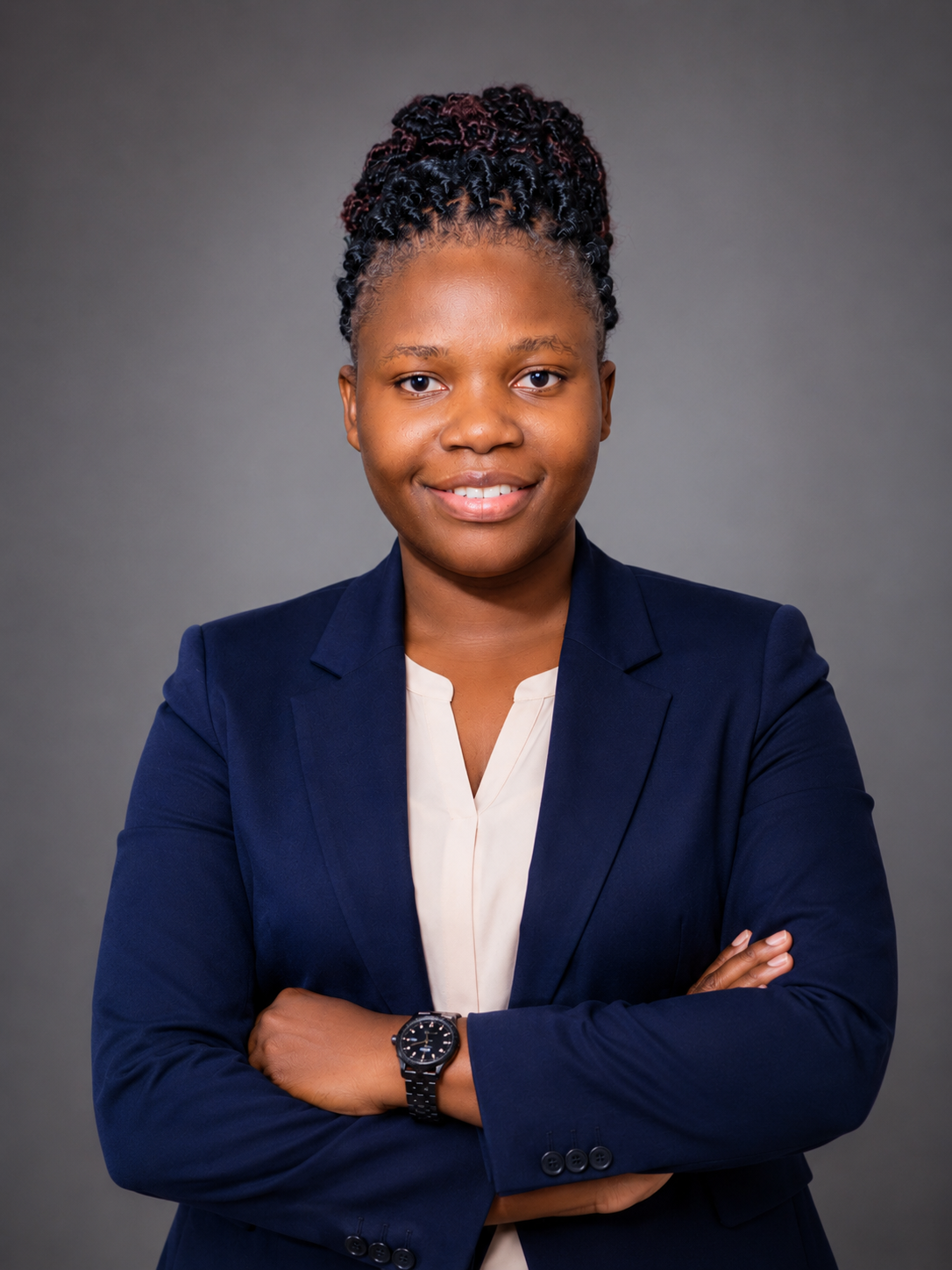
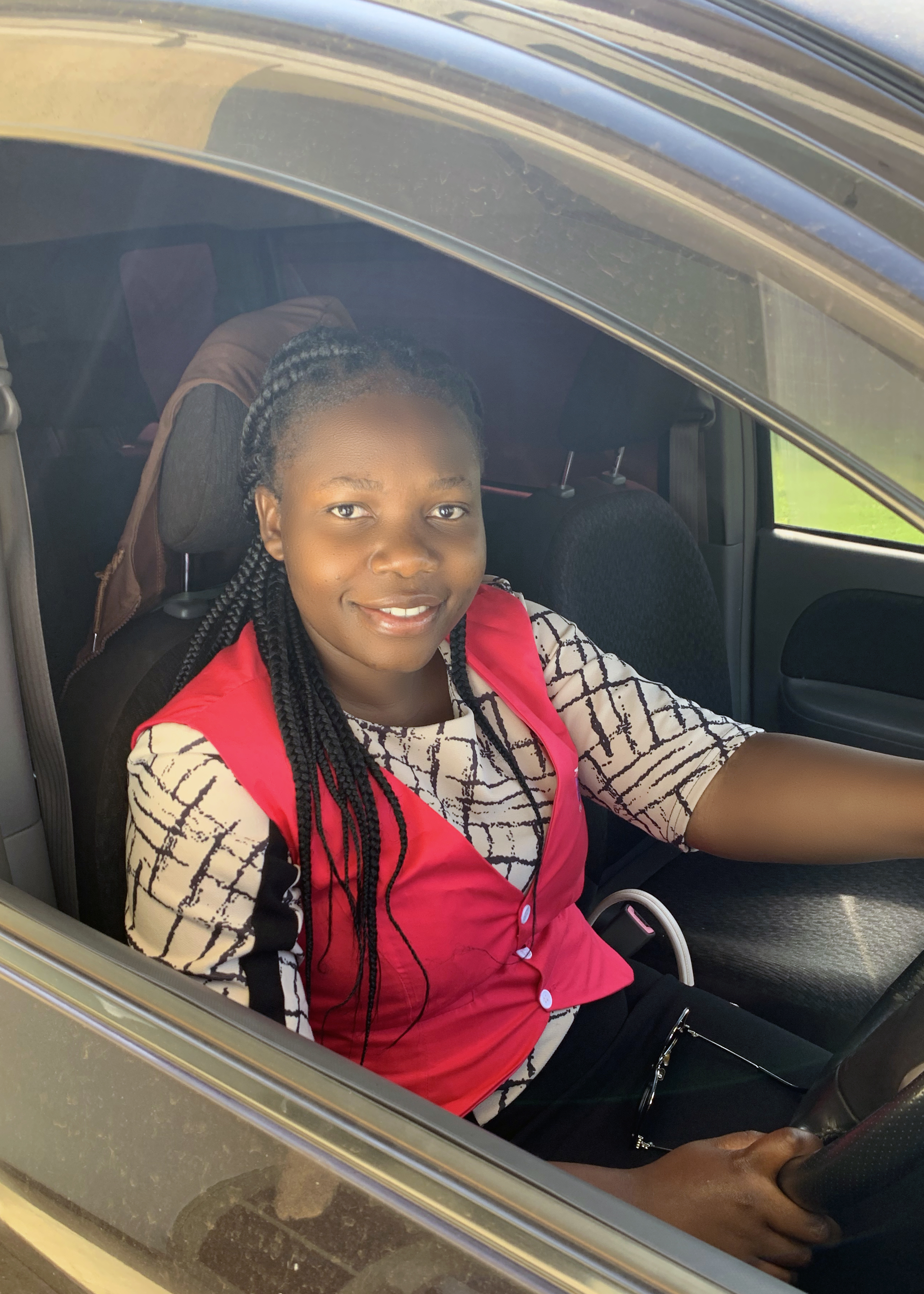
"Sometimes life doesn't close a door because you've reached the end of the road. Sometimes it closes one because you're about to discover the road you were meant to build."
In January 2025, I lost my job.
Like thousands of professionals working across the international development sector, I found myself facing a reality I hadn't planned for. Global funding shifts had triggered widespread layoffs, and almost overnight, many of us were asking the same difficult questions.
What now?
For years, my career had revolved around gender equality, public health, youth leadership, research, policy, and organizational development. My days were filled with strategy meetings, programme implementation, facilitating workshops, and helping organizations build stronger systems.
Suddenly, that chapter had ended.
I didn't know where the next opportunity would come from.
What I did know was that life had to continue.
An Unexpected Detour
Unable to find work immediately, I made a decision that surprised many people around me.
I became an Uber driver.
Some people saw it as a step backwards.
I saw it as a way to keep moving.
At the time, I had no intention of starting a transport company and certainly I wasn't conducting market research. I was simply trying to earn an honest living while figuring out my next chapter. Looking back now, I realize those months taught me more about systems change than many boardrooms ever could.
The Question That Kept Following Me
During those rides, passengers often asked me a question that seemed ordinary at first.
"Do you know another woman driver?"
The first few times, I simply said no but the question kept coming. Again. And again. And again.
Different passengers.
Different destinations.
The same question.
Eventually, I stopped hearing it as a request and I started hearing it as data. People weren't just asking for another woman driver. They were telling me something about the transport system itself.
Women wanted greater safety.
Parents wanted trusted drivers for their daughters.
Professionals wanted more choice.
Some passengers simply felt more comfortable travelling with another woman.
The demand already existed.
The system simply wasn't responding to it.
Seeing the Invisible
That realization changed everything.
Most conversations about women in transport focus on numbers.
How many women are driving?
How many have been recruited?
How many have joined the sector?
Those are important questions.
But I became increasingly convinced they weren't the most important ones. The deeper question was
Why has the system made it so difficult for women to enter, remain, and thrive in the first place?
The challenge wasn't simply representation.
It was the ecosystem surrounding it.
“Safety, Training, Professional identity, Public perceptions, Reporting mechanisms, Economic opportunities, Access to networks, Technology, Trust.”
These weren't isolated issues. They were parts of a much larger system.
Building a Different Kind of Enterprise
That realization became the foundation of INGO Female Transporters. People sometimes ask me whether INGO is a transport company. My answer is yes, but it is also something more. It is an experiment in institutional redesign. We are testing what happens when you intentionally build a mobility enterprise around inclusion rather than treating inclusion as an afterthought.
What if safety wasn't an optional feature?
What if women drivers were viewed as professionals rather than exceptions?
What if technology strengthened trust instead of merely facilitating transactions?
What if economic empowerment and customer experience could reinforce one another instead of competing?
Those questions continue to shape every decision we make. We don't claim to have solved them all. But we believe they are the right questions to ask.
The Bigger Lesson
Losing my job felt like the end of a carefully planned career. Instead, it became the beginning of a mission I never anticipated. Ironically, it wasn't my years in meeting rooms or policy discussions that revealed the next chapter of my work.
It was listening.
Listening to passengers.
Listening to women.
Listening to a question that kept repeating until I finally understood what it was asking.
I've come to believe that meaningful change often begins this way.
Not with a grand strategy.
Not with a perfect business plan.
But with the humility to pay attention to problems that others have learnt to accept as normal.
Looking Forward
Today, my work continues to sit at the intersection of gender equality, technology, inclusive systems, workplace safety, career transitions, and women's economic empowerment.
Whether I'm advising organizations, writing about institutional design, or building Ingo, I'm driven by the same belief:
Lasting change happens when we redesign systems so that inclusion becomes the default, not the exception.
Looking back, losing my job was never the story. It was simply the moment that gave me the opportunity to discover the story I was meant to write. And it all began with one simple question.
"Do you know another woman driver?"



0 comments on “How Losing a Job Helped Me Discover a Problem I Was Meant to Solve: Building Uganda's First Women-Centred Mobility Enterprise”
Comments from signed-in readers are published immediately. Keep it professional.
Sign in to join the conversation.