Intelligence Below and Beyond
The student and the classroom.
Special Education exposes the truth about every learner and what goes on behind the scenes in the classroom.
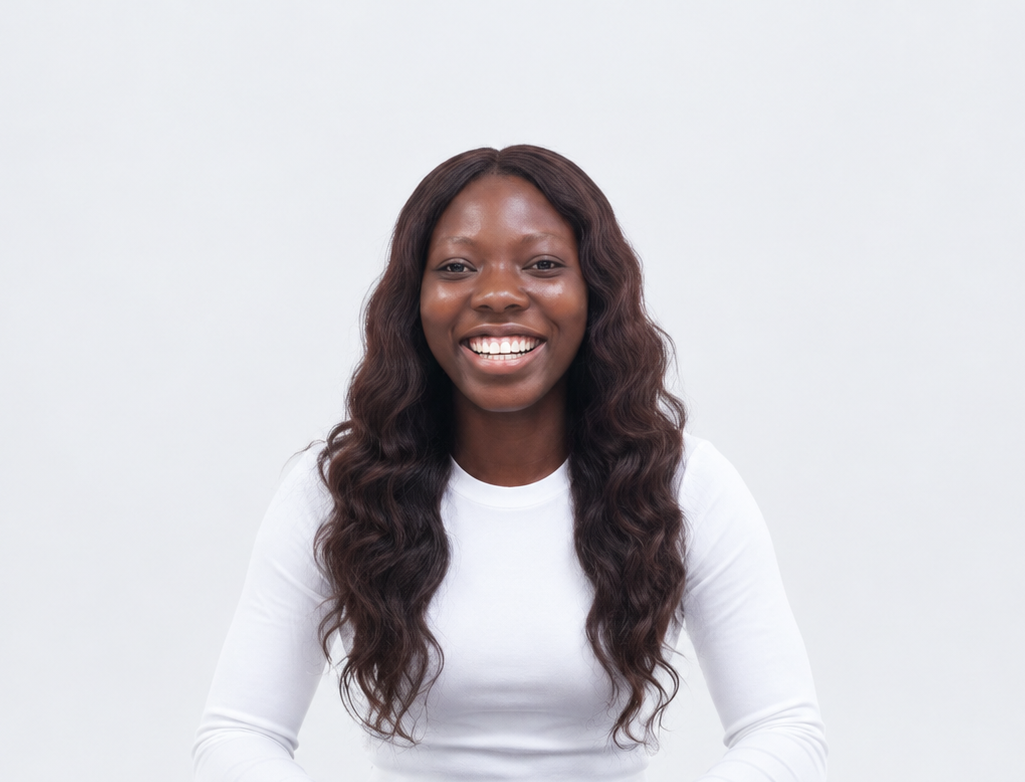
Intelligence Below and Beyond
My first time in a university environment was in 2013, during a matriculation visit. I can still remember the matriculation speech that year was titled “Yes, you can.” Fast forward to 2015; I gained admission to study special education, but I wanted to study law. I had a misconception that only great courses like medicine, engineering, and other widely accepted courses are breakthrough courses. However, I was wrong. My matriculation speech was titled “Make it happen.” I wasn’t given the course I desired, but I combined both matriculation speeches, and it became a motivational sentence for me throughout my undergraduate studies.
Each year, I was exposed to fundamental truths in special education. A kind of education that is different from the conventional, and particularly tailored to meet the needs of learners with the right extremity who perform beyond expectations, and learners with the left extremity who perform below expectations. From this definition, questions of concern arise. What is special about special education? What happens when intelligence doesn’t look like an A+? What if the intelligence that looks like an A+ is not groomed to benefit society? Both extremes are considered so that students with ‘Intelligence Beyond’ do not end up using their giftedness to harm society, and students with ‘Intelligence Below’ are not neglected by society or deemed unfit because of their limitations.
At one point, I had a kindergarten student who never responded to instructions; he came to class in the morning and sat all day except during breaks. He moved around without any conversation with classmates. I tried all the strategies I could, but they weren’t effective. I was sincerely worried, but his parents said he had always been a boy with few words. His grades were good, but he scored very low in classroom participation. The very first time he spoke was the day he answered a question that nobody in class knew the answer to. He blurted out unconsciously, and I shouted in excitement. Everyone knew the classroom rules: ‘Raise your hand to answer a question’. That day, I forgot about the rules and applauded him for responding. It was a surprising quantum leap for the student and for me. Some days, you have it all figured out as a teacher of children with disabilities; some days you don’t. I know these unique students with disabilities and giftedness are both my challenges and opportunities.
Today, I am proud to be called a Special Education Teacher. I understand the wins and the losses of students in my classroom. I know the complaints are genuine and not a result of laziness. The classroom communicates to me, and I respond with practical solutions. I can recognize sensory sensitivity when my student repeatedly covers his ears when the noise is too much. I know that my student is struggling to read because the words are dancing on the pages. I totally understand my first grader when he says tables and chairs are boring because too much intelligence can accompany a lack of self-regulation. I know when my student is staring into space because of an attention deficit. I know there could be an eyesight issue when my student bumps into objects continuously or struggles to copy from the board. I hear the unspoken difficulties, and I am usually the first to notice the invisible. I confirm my observations and address the exact area of need.
Additionally, I seek meaningful solutions. I embrace alternatives provided by educational technology platforms. I also use classroom manipulatives, memory games, multisensory applications, movement, modeling, and music to achieve teaching and learning goals. I must confess that technology has really simplified my teaching. I was able to teach math using many virtual math applications. I am learning to use the simplicity that technology provides to reduce the complexity of academic activities. I am a Special Education Teacher, and this is my story.


0 comments on “Intelligence Below and Beyond”
Welcome to the comments section. We moderate every submission according to our community guidelines.
Loading conversation…